
This blog was updated on 1st October 2026 to provide the latest information and researches on Vegan Omega 3 Without Fishy Burps.
I used to take fish oil supplements thinking they were the only omega-3 option.
My wife was the first one to notice. “You smell like a fishing boat,” she said one evening.
It wasn’t just her. My colleagues at work kept distance. My clothes smelled like old fish. Even my sweat had that fishy odor.
That’s when I realized fish oil supplements come with a hidden cost. Vegan omega-3 without fishy burps doesn’t.
I switched to algae-based vegan omega-3. Same DHA content. Same benefits. Zero fishy smell.
Six months later, the burps stopped. The smell disappeared. My body finally felt normal again.
But here’s what shocked me. Most people don’t know vegan omega-3 without fishy burps is even an option. They think fish oil is their only choice.
This guide shows you exactly why vegan sources don’t cause fishy burps and which ones actually work best in India.

Why fishy burps happen
When you take fish oil, your stomach breaks down the oil. This releases compounds that smell like fish. Your body doesn’t know what to do with them, so it pushes them out through your mouth and skin.
It’s not a defect in the supplement. It’s how your digestive system handles fish-based omega-3. The smell is real. The burps are unavoidable. Your body literally becomes a fish market for hours.
Vegan algae omega-3 works differently. Algae doesn’t contain the same fishy compounds. Your body breaks it down cleanly. No smell. No burps. Just absorption.
Same DHA content. Same brain and heart benefits. Completely different experience.
That’s why thousands of Indians switched to vegan omega-3. Not because it’s “better” for ethics. Because it actually works without the embarrassing side effects.
According to OmegaQuant, omega-3 oils oxidize rapidly when exposed to air, heat, and light – making freshness the most important quality marker.
Liquid vs capsule for burps
Simple answer- capsules win for most people.
A good capsule keeps the oil sealed until it reaches your stomach. No smell on the way down. No taste in your mouth. If the capsule also has enteric coating, it dissolves even further down in the intestine- which means almost zero chance of a burp.
Liquid omega-3 works too. Some people actually prefer it – easier to adjust the dose, no swallowing required. But the taste is right there, immediately. If you are sensitive to smell or have a weak stomach, liquid is a harder starting point.
Start with capsules. Once you are comfortable with omega-3 as a daily habit, you can explore liquid if needed.
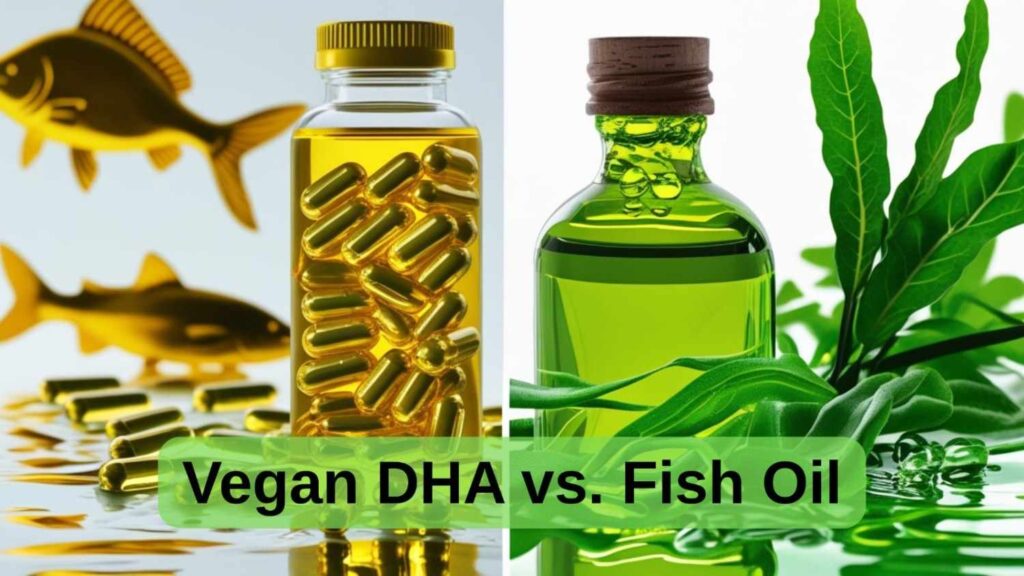
I’ve also explained the difference between fish oil and vegan omega-3 in detail here, including toxins, absorption, and real benefits.
How to choose a product that feels gentle
Brand name mat dekho pehle. Label padho.
A good vegan omega-3 supplement tells you exactly where the oil comes from, how to store it, and what is inside the capsule. If a product cannot answer these three things clearly – skip it.
Quick checklist before you buy:
Algal oil only – not “omega blend” or “plant-based blend.” Algae is the only direct vegan source of DHA and EPA.
Check expiry date – old oil oxidizes faster. Fresh oil, fewer burps.
Storage instructions – “cool, dry place, away from sunlight” is a good sign. No instructions is a red flag.
Clear DHA and EPA numbers – if the label only shows “omega-3” without breaking down DHA and EPA separately, the numbers are probably not worth showing.
A cheap supplement that you stop taking after one week costs more than a good one you take daily for six months.
If you want a clearer understanding of DHA, EPA, and ALA on supplement labels, this simple guide on how to read omega-3 labels can help.
How to Read the Label Before Buying (India Guide)
Many people skip the label and later wonder why the product did not work well for them. If you want a smooth experience, spend 1 minute checking these points before buying.
1. Check the source clearly
The label should mention algal oil or marine algae. Avoid products that only say “plant omega” without details.
2. Look at DHA and EPA numbers
Do not just trust “1000 mg omega-3” written on the front. Turn the bottle and check:
- DHA amount
- EPA amount
These are the actual active nutrients your body uses.
3. Read storage instructions
Good brands clearly mention:
- store in a cool, dry place
- keep away from sunlight
This shows the company understands oil stability.

4. Check expiry and manufacturing date
Always pick the freshest batch available. Older stock increases the chance of bad taste and burps.
5. Look for capsule quality details
Some products mention:
- leak-proof capsules
- delayed release
- no fishy aftertaste
These small details often make a big difference in real use.
6. Avoid unclear or incomplete labels
If the product does not clearly explain its source, dosage, or storage, it is better to skip it. Clear labelling usually means better quality control.
Best Vegan Omega 3 Without Fishy Burps India (Top Options)
The right vegan omega 3 without fishy burps India depends on what your stomach tolerates best. Here are four useful examples that Indian buyers can actually look at right now.
1) Rasayanam Vegan Omega Algae-Derive DHA 150 mg Capsule
Good for beginners who want a simple capsule. It is made from marine algae, and the capsules are designed to stay sealed. They also promise it’s burp-free, with no lingering fishy taste.
One thing to note: it is mostly DHA. So, if you’re after a stronger EPA+DHA blend, you’ll want to pore over the labels for other options.
This is a safe starting option if you are trying vegan omega-3 for the first time.
You can check the latest price and availability on Amazon here.
2) Tata 1mg Vegetarian Omega 1000 mg Algal Oil
Best for people who want a simple capsule from a familiar Indian platform. It is a plant-based algal oil supplement for heart, brain, and joint support. The only drawback is that, like most capsules, it may not suit people who prefer liquid supplements or do not like swallowing pills.
This works well as a beginner-friendly option for daily use.
If this fits your needs, you can view full details and pricing on Amazon here.
3) RawRx Vegan Omega 3 Capsules
This is a better pick if you want a premium algae-based option with EPA and DHA. the one that actually packs EPA and DHA. The product page mentions it’s pulled straight from marine microalgae. They get it tested at an NABL-accredited lab, too.
And good news – you won’t catch any weird fishy smell or aftertaste here. The only real catch is that it costs more than the basic stuff.
Good for daily use if you want something clean and easy.
This is easy to try, and you can quickly check it on Amazon here.
4) Deep Impact Vegan Omega 3 Algae Oil Liquid
Best for people who do not want capsules. It is a liquid omega-3 from microalgae, flavoured with Brazilian orange, and comes in triglyceride form. The only downside is that liquid is not for everyone, especially if you are sensitive to taste or prefer an easy capsule.
This can be a comfortable option for beginners who want to avoid taste or aftertaste issues.
To see if this is currently in stock and suits your budget, check it on Amazon.
Along with supplements, you can also include omega-3 rich vegetarian foods in your daily diet for better overall support.

Quick Comparison of Vegan Omega-3 Options in India
| Product | Best For | Why It May Reduce Burps | One Limitation |
| Rasayanam Vegan DHA | Beginners | Leakproof capsules, no aftertaste focus | Mostly DHA-focused |
| Tata 1mg Algal Oil | General users | Simple capsule, easy daily use | Basic formulation |
| RawRx Vegan Omega-3 | Quality-focused users | Clean algae source, better digestion | Slightly higher price |
| Deep Impact Liquid | Non-capsule users | No capsule breakdown issue | Taste sensitivity |
Tips to avoid fishy burps even with a good product
Even after you choose the right vegan omega-3, how you take it still matters. how you take it really matters.
The simplest fix? Swallow it with a proper meal. It should not be taken without food. Tucking it into a meal that’s got some fat in it often seems to help your body process it better.
A few more habits matter:
- Take it with food, not first thing in the morning on an empty stomach.
- Store it exactly as the label says, usually in a cool and dry place away from sunlight.
- Do not use expired supplements.
- If a bottle smells wrong when opened, do not force yourself to finish it.
Taking omega-3 with meals can make a noticeable difference in reducing burps and discomfort. This quick guide also explains why timing matters: Arthritis.org
Common mistakes people make
Buying the cheapest option available is the most common one. Low price usually means unclear sourcing, poor storage, or old stock. The burps start. The supplement goes in the drawer.
Second mistake – relying on flax, chia, or walnuts for DHA. These are healthy foods, but they give you ALA – not DHA or EPA directly. Your body converts very little of it. Eating flaxseeds daily and assuming your omega-3 is covered is a gap most Indian vegetarians do not even know they have.
Third – wrong timing. Taking omega-3 on an empty stomach is asking for trouble. Always take it with a meal. Fat in food actually helps absorption too.
Fourth – ignoring storage. Leaving the bottle near a window or in a warm kitchen shelf speeds up oxidation. Cool, dark place. Every time.
The supplement is not always the problem. How you buy it, store it, and take it – that is where most people go wrong.
FAQs
Many people still feel confused even after reading about omega-3. Here are simple answers to the most common doubts.
Q. When is the best time to take vegan omega-3?
With lunch or dinner; always with food. Meals contain fat, which helps improve absorption. Don’t take it on an empty stomach.
Q. How long before fishy burps stop?
If it’s a timing issue, it should improve within 2–3 days once you start taking it with meals. If the burping continues after that, the issue is with the product quality- not you.
Q. Capsule or liquid — which is better?
Capsules for most people. Less smell, less taste, easier daily habit. Liquid works too but taste is immediate. Start with capsules.
Q. Can I take it on an empty stomach?
No. Burps and mild nausea are almost guaranteed. Always after food.
Q. How do I know if my supplement has gone bad?
Three signs — strong unpleasant smell, strange aftertaste, oil leaking inside the capsule. If any of these show up, stop using it immediately.
Q. Do vegan omega-3 supplements work the same as fish oil?
Yes — if they contain DHA and EPA from algal oil, the benefits are identical. Brain, heart, eyes — same results, no fish involved.
Bottom line
I stopped taking fish oil three months ago.
The burps disappeared. The smell vanished. My life became normal again.
But the benefits stayed the same. My brain was still sharp. My energy was still there. My heart was still getting omega-3.
That’s when I realized something important. Vegan omega-3 without fishy burps isn’t just an alternative. It’s actually better than fish oil.
Same DHA. Same EPA. Zero embarrassment.
If you’ve been suffering with fish oil burps, switch to vegan omega-3 without fishy burps. Your body will thank you in weeks.
Start today. Your smell will improve. Your health won’t change. Only the experience gets better.
About the Author
Kamal Mishra is a health & nutrition writer and vegan wellness advocate. He is the founder of VeganVitaa – India’s trusted vegan DHA resource for plant-based families.
Further Reading on VeganVitaa:
For more in-depth information, explore our related guides below to better understand vegan DHA, algal oil, and choosing the right supplement. Blog
- Best Vegan DHA Supplements in India
- Best Vegan & Vegetarian Omega 3 Capsules in India 2026
- Best Vegan DHA Capsules in India 2026
- Best Vegan Omega 3 for Men in India
- DHA for Brain Health in India
Disclaimer: This article is for educational purposes only. Always consult your paediatrician before starting new supplements.
Disclaimer: This post contains affiliate links. If you buy through these links, I may earn a small commission at no extra cost to you. It helps me keep sharing useful content with you.

Pingback: How to Read Omega 3 Label: Don’t Miss DHA, EPA & ALA
Pingback: Fish Oil vs Vegan Omega 3: India’s 2026 Clean DHA Guide