
Introduction
Many children in India look healthy on the outside, but their growing brains may still miss an important nutrient. One such hidden concern is dha deficiency in children in India.
DHA is a vital fat needed for brain and eye development. It supports focus, learning, memory, and emotional balance during childhood.
Because of modern diets, low fish intake, vegetarian food patterns, and high screen exposure, many parents are not aware of this silent nutritional gap.
This blog explains the causes, early signs, and long-term brain impact of low DHA in children, along with simple awareness-based steps parents can understand and apply.
Over time, I’ve spoken with many parents who say, “Doctors tell us everything is normal, yet my child still struggles to focus or keep up in class.” In many cases, this isn’t just a behaviour or screen-time issue. It often points to a quiet nutrition gap that goes unnoticed in everyday diets. Understanding this gap is what led me to explore DHA more deeply and share this awareness with other parents.
Before understanding deficiency, it’s important to know what DHA actually does in a child’s body. Many parents hear the term but don’t realise how closely it is linked to learning, focus, vision, and emotional development during growing years.
One parent shared, “Doctors said everything was normal, but after improving my child’s diet and reducing junk food, his focus in class slowly improved.”
TL;DR (Quick Takeaway)
• DHA is a critical fat for a child’s brain and eye development, especially during growing years.
• Many children in India do not get enough DHA due to vegetarian diets, low fish intake, and modern food habits.
• Early signs of low DHA can include poor focus, learning difficulties, eye strain, and mood changes.
• Simple awareness, better cooking habits, balanced fats, and small diet improvements can support a child’s brain health naturally.
What Is DHA and Why Is It Critical for Children?
DHA is a healthy fat that plays a major role in brain and eye development. It helps children think, learn, and focus better. DHA is especially important during early growth years.
DHA basics
One kind of omega-3 fat is docosahexaenoic acid, or DHA. It lives in the brain and the eyes. Babies get DHA from their mother during pregnancy. Young children keep using DHA as their brains grow. DHA helps nerve cells connect. It supports clear vision. It also helps mood and behaviour. For growing children, DHA is more than a nutrient. It is part of learning and feeling safe.
Brain & eye development
In the first years, the brain grows fast. DHA is a building block. It helps form cell membranes. It helps signals move quickly. For the retina, DHA is essential. Babies with good DHA show strong visual responses. School-age children with enough DHA often do better on tests. Their focus can be steadier. Their reading skills may improve. Every child’s day in class becomes a bit easier with steady brain fuel.
Growth years importance
From birth to early teens, growth is rapid. The brain adds millions of connections. Each connection needs healthy fats. DHA supports this process. A steady supply matters. Gaps during these years can hurt learning. Parents must know this. Small changes in diet can make a big difference.
If DHA is so important, the next question is why so many children still lack it in India.
Global health organizations also highlight the role of DHA in child brain development, which is explained further in this external reference.
NIH: https://www.nichd.nih.gov/health/topics/factsheets/breastfeeding
Why DHA Deficiency Is Common in Indian Children
Many Indian children do not get enough DHA from daily food. Vegetarian diets, low fish intake, and processed foods reduce natural DHA sources. Modern cooking habits also destroy healthy fats.
Vegetarian family diets
Many Indian families follow vegetarian patterns. Vegetables and dairy are common at meals. Fish is less common in many regions. Fish is a top source of DHA. Without it, children may miss direct DHA from food. Plant foods offer ALA, not DHA. The body converts ALA to DHA, but conversion is low. This creates a risk. The phrase dha deficiency in children in India captures this idea clearly.
Low fish intake
Fish is the richest dietary source of DHA. In landlocked or vegetarian communities, fish rarely appears on the plate. Even coastal families may eat fish less often now. Cost and taste play a role. This leads to low DHA in children. Many reports note dha deficiency in children in India in places where fish is seldom eaten.
Modern processed foods
Packaged snacks and ready meals fill many plates. These foods are high in refined carbs and saturated fats. They lack healthy fats like DHA. Kids eat these foods daily. Over time, healthy fat intake drops. That raises the chance of deficiency. Even though parents may not link chips and sweets to children’s dha deficiency in India, dietary habits are crucial.
Cooking methods destroying omega-3
High heat can reduce omega-3 levels. Deep-frying and repeated oil use damages fats. Traditional frying for snacks may lower available DHA in food. Even frying fish at high heat reduces its DHA content. Daily cooking habits can erode the small DHA we do get. Awareness of dha deficiency in children in India should include cooking methods.
These patterns lead to everyday habits that slowly reduce DHA intake.
This problem is part of a wider nutrition gap in India, which is explained in detail in DHA Deficiency in India: Why Most Indians Are Not Getting Enough DHA: https://veganvitaa.com/dha-deficiency-in-india/
Key Causes of DHA Deficiency in Children
DHA deficiency usually develops slowly over time. Poor maternal nutrition, low-fat diets, and high omega-6 intake are common causes. The body also converts plant omega-3 into DHA very poorly.
Poor maternal DHA
A child’s DHA starts before birth. If the mother has low DHA, the baby gets less. Breastmilk DHA also depends on maternal diet. Low maternal levels set the stage for child deficiency. Mothers who know about dha deficiency in children in India can act early in pregnancy.
Low-fat diets
Some families avoid fats fearing weight gain. Children then miss good fats. Low-fat diets reduce DHA intake. Fat is needed for brain growth. Good fats should not be feared. Education can shift choices toward healthy fats.
High omega-6 intake
Many vegetable oils are high in omega-6 fats. Too much omega-6 can block omega-3 use. This imbalance reduces DHA in the body. Common cooking oils and snacks add omega-6. Families should balance fats to fight dha deficiency in children in India.
Limited ALA → DHA conversion
Plant sources offer ALA, an omega-3 cousin. The body must convert ALA to DHA. This conversion is slow and often inefficient. For many children, it is not enough. Thus, relying only on seeds and oils may fail. Due to this biological fact, children in India suffer from dha deficiency.
The effects of low DHA appear slowly and are easy to miss.
Early Symptoms of DHA Deficiency in Children
Early signs are often mild and easy to ignore. Children may show poor focus, learning difficulties, or eye strain. Behavioural changes can also appear over time.
Poor focus & attention
A child may seem restless. Focus can be short. Teachers may note trouble following lessons. These signs can show in early school years. They can be mild at first. Parents may think the child is just playful. However, in Indian children, recurrent patterns might point to a dha deficiency.
Learning difficulties
Reading, memory, and problem solving can lag. Tests may show lower scores. These issues can frustrate the child. They can also weigh heavily on self-esteem. A timely check and small diet changes can help.
Eye strain & screen fatigue
Children may complain of tired eyes. They might blink more at screens. Tasks requiring fine detail may be harder. Vision checks may find nothing obvious. Yet DHA plays a role in keeping eyes steady. Screen habits and diet together can worsen symptoms of dha deficiency in children in India.
Behavioural changes
Mood swings can appear. A child may show more irritability. Sleep patterns may shift. These changes are not only emotional. Brain chemistry and fats like DHA influence them. When behaviour changes with diet, look deeper.
When early signs are ignored, the impact can reach deeper into brain development.
These signs are often misunderstood as laziness or screen addiction. In many families, nutrition is the last thing considered when a child struggles at school.

Brain Development and Cognitive Impact of Low DHA
DHA supports brain cell structure and communication. Low DHA can affect memory, learning speed, and emotional control. These effects may become more visible as school demands increase.
Memory & learning
DHA supports the structure of brain cells. Low DHA may slow synaptic growth. Memory formation may suffer. Learning new concepts can take longer. Over time, this affects school progress. Teachers and parents describing similar issues should consider dha deficiency in children in India as a possible factor.
Emotional regulation
DHA affects neurotransmitters. It helps the brain manage stress and emotions. Children with low DHA may show more anxiety. They may find it harder to calm down after strong feelings. Small dietary changes can support emotional balance.
Neurodevelopment link
Early DHA shortage may alter developmental pathways. This can affect attention, sensory processing, and social skills. Not all children show the same signs. Some show clear struggles. Others have subtle delays. Awareness helps catch problems early.
Brain health and vision are closely linked, and DHA supports both.

DHA Deficiency and Vision Problems in Children
DHA is important for healthy eye and retina development. Low levels can cause eye fatigue and poor visual comfort. Screen use can worsen these problems.
Retina development
The retina holds high DHA levels. DHA helps retinal cells work well. Low DHA can weaken retinal function over time. This may affect clarity and tracking. Routine eye checks do not always test for nutritional causes. Ask about diet.
Night vision & eye fatigue
Children may find dim light harder to see. Night-time tasks become tougher. Eye fatigue with reading or screens is common. These signs should prompt a diet check and further advice about dha deficiency in children in India.
Long-term low DHA can affect health beyond childhood.
Long-Term Health Risks If DHA Deficiency Is Ignored
Ignoring DHA deficiency may affect academic performance and mental well-being. Over time, it can increase the risk of emotional and metabolic issues. Early awareness helps prevent long-term damage.
Academic struggles
A child who falls behind early may keep that gap. Learning becomes harder. Confidence drops. The cycle can continue into teen years. Addressing diet early can change the path.
Mental health risk
Low DHA links to mood disorders later in life. Depression and anxiety risks may rise. Good early nutrition can reduce these risks. Teach healthy habits young.
Future metabolic issues
Fat balance in early life can affect metabolism. There is a link between fat intake and later heart health. Ensuring good fats like DHA helps future health. Prevention is wise.
“Can everyday food choices really cover this gap?”
Can Diet Alone Fix DHA Deficiency in Indian Children?
Diet helps, but it may not always be enough. Plant foods provide omega-3 but very little DHA. Understanding food limits is important for realistic expectations.
ALA limitations
Some parents trust flax, chia, or walnuts. These foods give ALA, not DHA. The body converts little ALA to DHA. So, diet alone may not always be enough. Fortified foods or algae DHA may be needed in some cases.
Food myths vs reality
Many believe seeds are enough. Or that milk provides enough omega-3. These ideas can mislead. Reality is that direct DHA sources are limited in common Indian diets. Clear guidance helps families avoid mistakes.
Practical Indian diet view
Still, diet matters. Small changes can help. Use fortified foods when possible. Choose fishlike sardines or mackerel if the family eats fish. For vegetarians, look into algae-based DHA sources and fortified milk or oil. Add healthy oils and avoid excessive deep-fried snacks. Cook with gentler methods like steaming or light sautéing. These steps help improve DHA status. Keep portions sensible and simple.
This raises an important question about when parents should be concerned.
Many parents also consider fish oil for DHA, and its benefits and concerns are discussed separately in our fish oil awareness guide: https://veganvitaa.com/fish-oil-vs-vegan-omega-3-india-guide-2025/
Some parents explore DHA supplements after understanding diet limits, and a commonly used option is linked here for reference: https://amzn.to/4qyp3KG
When Should Parents Be Concerned About DHA Levels?
Concern is higher during pregnancy, early childhood, and school years. Learning stress, poor focus, or heavy screen use are warning signs. Early attention makes correction easier.
Growth phases
Pregnancy and the first two years matter most. Brain growth is intense then. If the mother or child had poor fat intake, seek advice. Early action helps.
School-age stress
At school entry, problems often show. Falling grades, short attention, or behaviour shifts are signs. Don’t ignore them. A health check and diet review can be a good start.
Screen exposure
High screen time raises visual fatigue and attention issues. If screen use is high, check diet too. Screen strain and low DHA together can worsen focus. Reduce screen time. Add breaks and outdoor play.
Awareness helps parents take simple and safe daily steps.
Safe Ways to Improve DHA Awareness for Children
Parents can start with nutrition education and balanced fat intake. Healthy cooking habits and lifestyle changes also support brain health. Awareness is more important than quick fixes.
Nutrition education
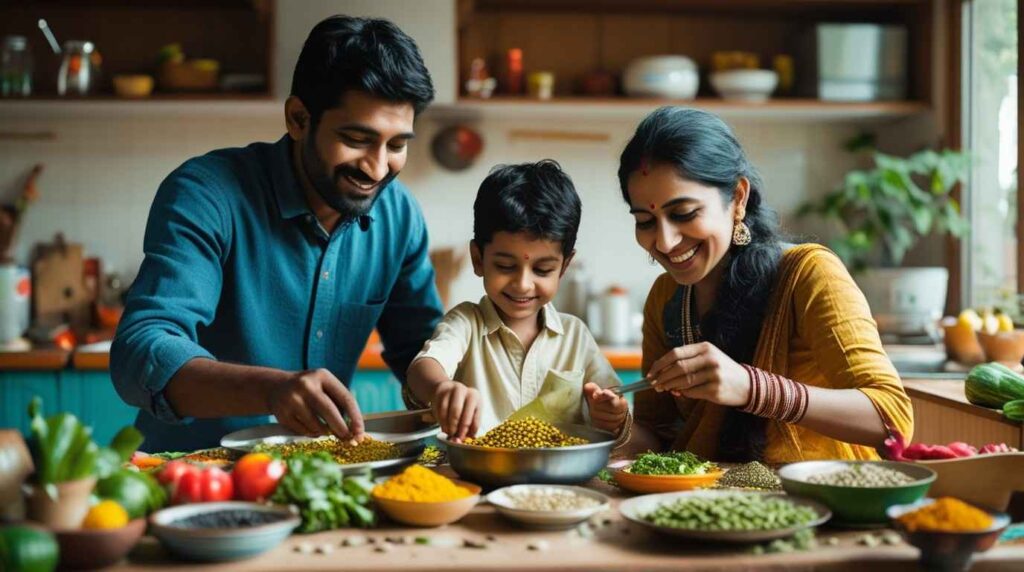
Teach families about good fats. Keep messages simple. Share one or two easy actions. Make cooking demos local and visual. Use community groups and schools to spread awareness.
Balanced fat intake
Encourage healthy cooking oils in moderation. Add natural sources of omega-3. Balance omega-6 and omega-3 by reducing overly processed snacks. Include nuts, seeds, and green leafy veggies as supportive foods.
Lifestyle awareness (no selling)
Talk about sleep, play, and stress. These also affect brain health. Keep the message about health, not products. Share low-cost tips. Simple swaps can work well at low cost.
Common Myths About Omega-3 and DHA in Children
Many parents believe all omega-3 fats work the same. Seeds alone are often seen as enough, which is not true. Knowing the difference helps in making better choices.
“Seeds are enough”
Seeds give ALA. Conversion to DHA is limited. Seeds help, but they may not be enough alone. A combined approach is safer.
“All omega-3 are same”
Not true. EPA, DHA, and ALA act differently. DHA is the key for the brain and eyes. Treat them as related, but not identical. Knowledge matters.
Frequently Asked Questions About DHA Deficiency in Children
Q: Can a vegetarian child get enough DHA?
A: It is hard but possible. Algae-based DHA or fortified products help. Seeds support but may not be enough. Talk to a paediatrician about dose and options.
Q: When should I test DHA levels?
A: Test if you see learning or vision problems. Speak to a paediatrician. They can guide testing and steps. Tests are available but not always routine.
Practical Steps Parents Can Use Today
Parents do not need to change everything in one day. Small steps can slowly improve a child’s brain health.
First, focus on how food is cooked. Daily deep-fried food can damage healthy fats. Steaming, boiling, or light cooking is better. Avoid using the same oil again and again.
Next, look at the daily diet balance. Nuts and seeds like flaxseed and chia seeds are helpful. They do not give direct DHA, but they support brain nutrition. They can be added to roti, dal, or curd.
Vegetarian parents should understand that seeds alone are not enough. The body converts plant omega-3 into DHA very slowly. It is important to know that vegetarian DHA sources exist, such as algae-based options, for awareness.
Snacks matter more than we think. Packaged chips, biscuits, and sugary foods reduce healthy fat intake. Simple snacks like fruits, peanuts, roasted chana, or homemade food are better choices.
Today, many children spend long hours on screens. Too much screen time causes eye strain and poor focus. Regular breaks, outdoor play, and good sleep help brain and eye health.
Parents should avoid pressure. One small change each week is enough. Slow and steady habits are easier for children to follow.
After making changes, parents should observe the child. Better focus, calm behaviour, improved energy, and less eye strain are positive signs.
These steps are simple, affordable, and practical. With awareness and consistency, parents can support their child’s brain development naturally.
Parents should not panic or make sudden changes. One small change every week is enough. Observe your child for better focus, calmer behaviour, and reduced eye strain. Awareness and patience work better than pressure.
Conclusion
DHA deficiency in children in India is a growing concern that often goes unnoticed. Diet patterns, cooking habits, and modern lifestyle choices play a major role in reducing DHA intake during key growth years. The good news is that parents can act early. With simple food awareness, better cooking methods, and small daily changes, children can support healthier brain development, better focus, and improved learning over time.
This blog is written to spread awareness, not fear or medical advice. My aim is to help parents notice early signs and make informed food and lifestyle choices for their children.
Get more information about Vegan DHA from our other blogs. Blog
If you’re following a plant-based diet and looking for a reliable DHA source, check out our guide on the “5 Best Vegan Omega 3 Capsules in India (2026 Buying Guide)” for the top options available.
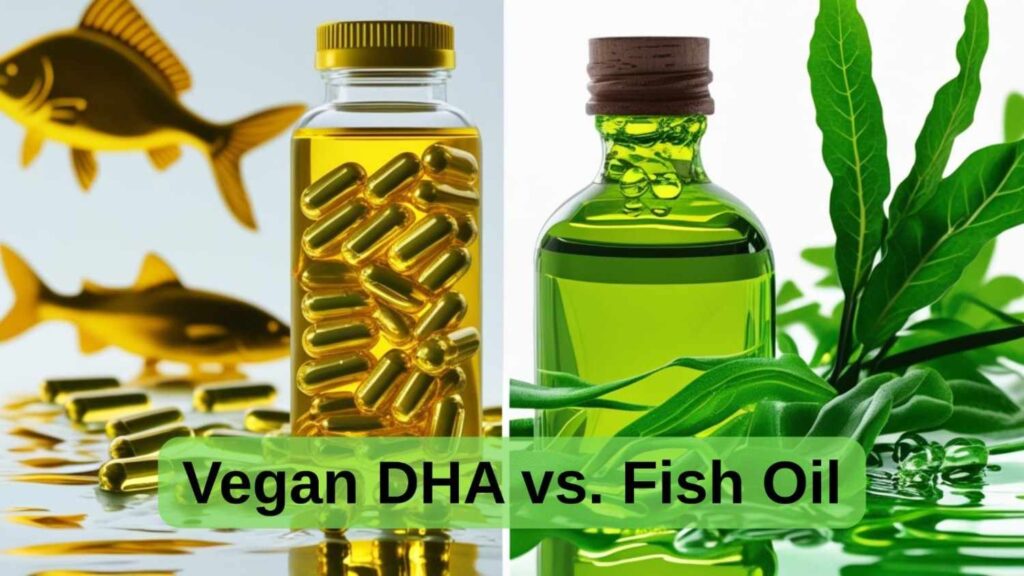
If you want a clean, plant-based source of DHA without relying on fish oil, explore our “Best Algal Oil India 2025–2026: Honest Vegan DHA Buying Guide” to find the most effective and trustworthy options.
If you’re expecting and want a safe, plant-based DHA source for your baby’s brain development, explore our “Vegan DHA vs Fish oil during Pregnancy (2026 Guide)” to choose the right supplement.
Disclaimer: This article is for educational purposes only. Always consult your paediatrician before starting new supplements.
Disclaimer: This post contains affiliate links. If you buy through these links, I may earn a small commission at no extra cost to you. It helps me keep sharing useful content with you.
Pingback: Vegan Omega 3 for Kids: Brain Growth, Memory & Focus Guide