
There was a time when I thought stress and anxiety were just part of modern life—until I learned how deeply omega-3 influences our brain chemistry and emotional balance.
Omega 3 for anxiety, stress and depression is one of the most talked-about topics today — and it’s easy to see why. With incessant notifications, long workdays, and never-ending thoughts, the majority of us lead hectic lives. Even when our bodies are still moving, our minds are fatigued.
In today’s fast-paced world, our brains are constantly fighting to stay calm. That’s why understanding the power of Omega 3 for anxiety, stress and depression is so important. Not only do these good fats nourish your brain, but they also make you feel lighter, sleep better, and think more clearly. Adding the proper omega-3 source can have a subtle but significant impact on your mental health, regardless of whether you’re coping with everyday stress or emotional fluctuations.
Omega-3 is a vital nutrient for your brain and mood as well as your heart, according to science. Let’s examine the most recent findings regarding omega-3’s natural ability to lower stress, anxiety, and depression.
—
🧩 What Are Omega-3 Fatty Acids?
Your body cannot produce the good fats known as omega-3 fatty acids on its own. They must be obtained through diet or supplements. The three primary categories are:
- DHA (Docosahexaenoic acid) – vital for brain and eye health
- EPA (Eicosapentaenoic acid) – helps reduce inflammation and support mood
- ALA (Alpha-linolenic acid) – found in plant foods like flax and chia, which your body converts (in small amounts) to DHA and EPA
DHA is a major component of the nearly 60% fat that makes up your brain. For this reason, scientists refer to DHA as the brain’s preferred fuel. Brain cells that don’t get enough omega-3 have trouble communicating effectively, which can cause mood swings, difficulty focusing, and even symptoms of depression.
—
🧩 How Omega-3 Supports Brain and Mood
So how does omega 3 for anxiety, stress and depression actually work?
Science explains it in three simple ways:
1. 🧠 Improves Brain Communication –Your brain’s cell membranes are strengthened by DHA, which facilitates more effective neuronal communication.
2. 🌿 Boosts Serotonin & Dopamine – Your “feel-good” hormones are these. According to studies, omega-3 boosts their activity, which lowers anxiety and helps balance mood.
3. 🔥 Reduces Inflammation – Fatigue and depression are associated with chronic inflammation in the brain. Omega-3 aids in reducing inflammation, which fosters tranquillity and mental clarity.

👉 Read more on Harvard Health about how omega-3 impacts mood and the brain.
https://www.health.harvard.edu/nutrition/omega-3-foods-incorporating-healthy-fats-into-your-diet
In short, omega-3 works both chemically and emotionally — helping your brain “feel lighter” and calmer.
—
🧩 Omega-3 and Anxiety
If you’ve ever felt restless, overthinking, or stuck in worry mode — you know how anxiety feels.
Several studies have found that people who regularly take omega 3 for anxiety, stress and depression experience fewer symptoms of nervousness and better emotional control.
Why? Because omega-3 fatty acids affect your nervous system, preventing it from overreacting and allowing it to react calmly.
The anti-inflammatory properties of EPA in particular help to ease the physical tension that anxiety causes, such as a tightness in the chest or racing thoughts.
💡 Fun fact: A 2018 study in the Journal of Clinical Psychiatry found that omega-3 supplementation significantly reduced anxiety symptoms in adults, especially those with chronic stress.
You can read more about this research on PubMed. https://pubmed.ncbi.nlm.nih.gov/
—
🧩 Omega-3 and Depression
It may seem as though your brain is “stuck” in low energy mode when depression strikes.
This is because serotonin, your happiness hormone, needs DHA to flow freely between cells in your brain.
Low DHA levels are frequently associated with emotional numbness, exhaustion, and mood swings.
Studies show that taking omega-3 for depression relief can help lift mood, reduce sadness, and improve motivation — especially when combined with therapy or exercise.
In one major review, people who took omega-3 (mainly EPA) showed significant improvement in their depressive symptoms compared to those who took a placebo.
👉 Read more about the study here https://ods.od.nih.gov/factsheets/Omega3FattyAcids-Consumer/
So yes — omega-3 and mental health are closely linked. The brain literally needs these fats to function at its best.
—
🧩 Stress and Mood Balance
Stress is more than a simple “feeling.” The entire body is reacting.
The stress hormone, cortisol, is released by your body when you are under stress.
Over time, too much cortisol can cause fatigue, depression, and irritability.
That’s where omega-3 comes in again. Research suggests omega-3 may help regulate cortisol production — meaning you recover faster from stressful situations and stay more emotionally stable.
People who take omega 3 for anxiety, stress and depression often report
better focus, less emotional burnout, and even improved sleep.
It’s not magic — it’s nutrition that supports your body’s natural balance.
—
🧩 Vegan Omega-3 vs Fish Oil
Here’s something many people don’t know — fish don’t actually make omega-3.
They get it by eating algae — the original plant source of DHA and EPA!
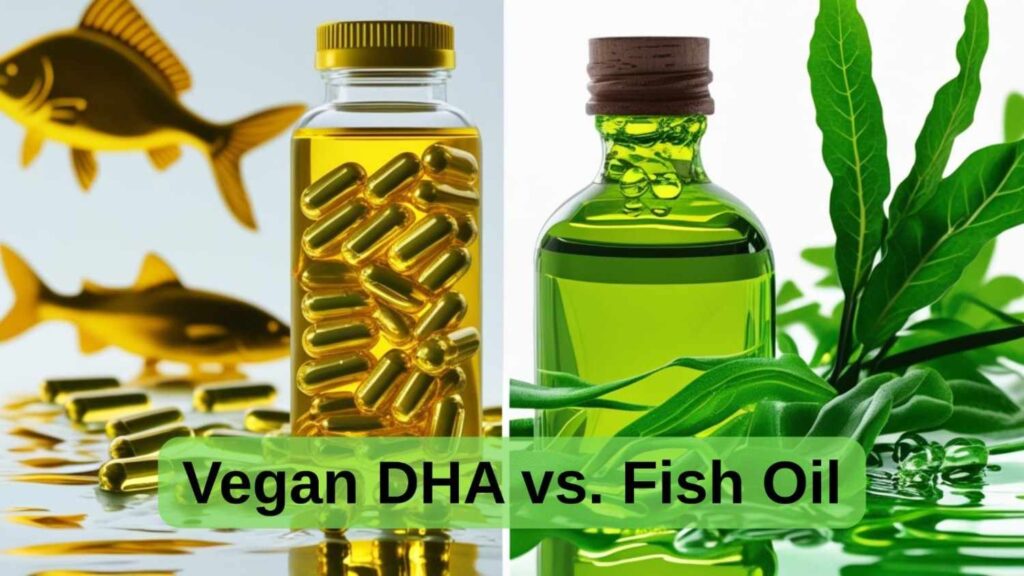
So, when you take vegan omega-3 (algae-based DHA), you’re getting the same nutrient, but directly from the clean source — without mercury or ocean pollutants.
Vegan omega-3 is pure, sustainable, and equally beneficial for mental health as fish oil, which frequently contains microplastics or marine pollutants.
👉 Check this detailed comparison on Healthline https://www.healthline.com/nutrition/omega-3-fish-oil-for-brain-health
If you’re vegan or just want a cleaner option,
🌿 Nordic Naturals Algae Omega on Amazon
🌿 Deva Vegan Omega-3 DHA EPA on Amazon https://amzn.to/4mZYZ8C
🌿 VeganVitaa DHA (coming soon!)
—
🧩 Daily Omega-3 Intake and Natural Sources
For most adults, 250–500 mg of DHA/EPA per day is enough to maintain mental and emotional balance.
If you’re plant-based, here’s how you can add more naturally:
- Algae oil supplements (best direct source)
- Chia seeds, flaxseeds, walnuts (rich in ALA)
- Seaweed & spirulina (for small omega-3 boost)
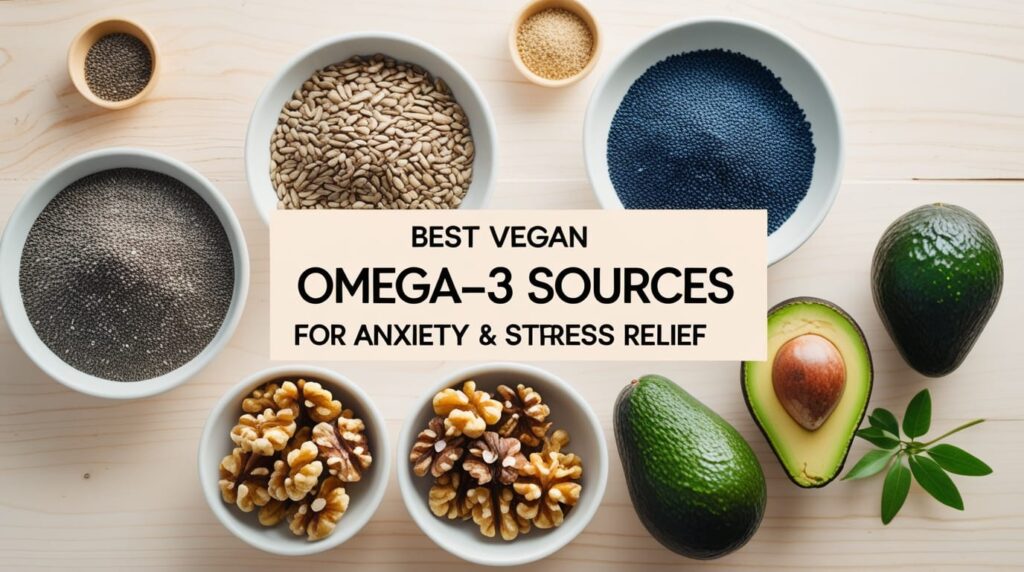
Try adding a spoon of flaxseed powder in your smoothie or a handful of walnuts as snacks.
But remember — only algae oil gives your body the ready-to-use DHA it needs for the brain.
👉 “Feed your mind, not just your body.” A daily dose of vegan omega-3 can be your quiet partner in mental peace.
—
🌿 Bonus Tip: Lifestyle + Omega-3 = Stronger Results
While supplements play a big role, your lifestyle also decides how well Omega 3 for anxiety, stress and depression works. Simple daily habits like mindful breathing, walking in nature, and reducing screen time can boost the effects of omega-3 on your brain. Eating whole plant foods, staying hydrated, and sleeping on time support your body’s ability to absorb nutrients better. Think of it like teamwork — omega-3 nourishes your brain from the inside, while good habits protect your peace from the outside. Together, they make Omega 3 for anxiety, stress and depression even more powerful for a calm and happy mind.

—–
🧠 FAQs
1. Does Omega 3 for anxiety, stress and depression really help?
Yes. Research consistently shows omega-3 helps regulate serotonin and reduce inflammation, which both play major roles in mood and mental health.
2. How long does it take for omega-3 to work for mood?
It varies, but most people notice improvement after 4–6 weeks of consistent intake.
3. Is vegan omega-3 as effective as fish oil?
Yes! Both contain DHA and EPA — the same active nutrients. The only difference is the source.
4. What is the best time to take omega-3 for stress?
You can take it anytime, but most prefer it with meals to improve absorption.
5. Can Omega 3 for anxiety, stress and depression work without medication?
Yes, for many people, omega 3 for anxiety, stress and depression can bring noticeable relief even without medication — especially when combined with good sleep, exercise, and a balanced diet.
However, if your symptoms are strong or long-lasting, it’s best to talk to a doctor. Omega-3 is not a replacement for medical care, but it’s a powerful natural support for emotional balance and brain health.
🧩 Final Thoughts
Science clearly shows it — omega 3 for anxiety, stress and depression really works.
It naturally balances your mood, soothes your mind, and feeds your brain.
Give your body the nutrients it needs rather than focusing on temporary solutions.
Better focus, more tranquil thoughts, lighter emotions, and a more optimistic view of life are just a few of the subtle but profound changes you’ll experience when you begin giving your brain the proper fats.
“If your mind has been struggling lately, don’t ignore it — start supporting your mental health today with the right omega-3 choice for your body.”
—
Get more information about Vegan DHA from our other blogs. Blog
Disclaimer: This post contains affiliate links. If you buy through these links, I may earn a small commission at no extra cost to you. It helps me keep sharing useful content with you.
Pingback: 5 Subtle Signs You’re Not Getting Enough Omega 3
Pingback: Best Time to Take Vegan Omega 3 for Anxiety