
This blog was updated on 10th March 2026 to provide the latest information and researches on Vegan DHA for skin glow, acne and pigmentation.
Introduction
DHA for skin health has gained attention for its role in skin glow, acne control, and pigmentation support.
Research shows that DHA (an omega-3 fatty acid) helps reduce inflammation, strengthen the skin barrier, and improve hydration – all essential for healthy skin.
Many people focus only on skincare products when dealing with acne, dull skin, or pigmentation. But skin health is also influenced by what happens inside the body.
Nutrients like omega-3 fatty acids, especially DHA, play an important role in reducing inflammation and supporting healthy skin cells.
This is why more people are now exploring vegan DHA for skin glow, acne, and pigmentation as part of their overall skincare approach.
This article explains what science says about dha for skin, how it works, and why vegan DHA may be a better choice for long-term skin health.
For a complete understanding of plant-based omega-3, you can read our detailed Vegan Omega-3 Guide.
Why Skin Health Is Not Only About Creams
Most people think glowing skin comes from creams, face washes, or serums.
But dermatology research shows that skin health also depends on internal nutrition.
Your skin cells need healthy fats, vitamins, and antioxidants to repair themselves.
Omega-3 fatty acids – especially DHA – help reduce inflammation inside the body. Lower inflammation often means:
- fewer acne breakouts
- better skin hydration
- improved skin barrier
- reduced redness
This is why many dermatologists now talk about “inside-out skin care.”
Instead of only applying products on the skin, improving nutrition can support skin health from within. For people who do not eat fish, vegan DHA from algae oil can be an effective alternative.
Recommended DHA Dosage for Skin Health
| Age / Group | Recommended DHA per day |
| Adults | 200–300 mg |
| Acne-prone skin | 250–300 mg |
| Pigmentation issues | 250–350 mg |
| Pregnant women | 300–400 mg |
| Breastfeeding mothers | 300 mg |
| Kids (4–12 years) | 100–200 mg |
| Seniors | 250–300 mg |
Dosage may vary based on diet, age, and health condition. Always consult a healthcare professional before starting supplements.
If you are confused about how much omega-3 the body actually needs, our guide on how much vegan DHA you should take daily explains the recommended intake in simple terms.
My Skin Journey – What I Learned Beyond Creams & Serums
I have spent years fighting my skin from the outside – strong facewashes, anti-acne serums, sunscreen, spot correctors, you name it. Sometimes I saw progress, but it never lasted. Acne returned during stress. Pigment patches refused to fade. My glow faded every time life got busy.
If you relate to this, trust me – I understand.
One day a dermatologist told me something that changed everything:
“Inflammation starts inside the body, not on the face.”
That’s when I discovered DHA for skin, specifically for acne, glow, and pigmentation. In contrast to topical products, DHA corrected the trigger rather than the surface.
This blog is a mix of my personal journey and scientific research so you fully understand why DHA for skin is becoming one of the most recommended nutrients for healthy, glowing, acne-free skin.
Does DHA really help with skin glow, acne and pigmentation?
Yes. Clearer, more radiant, and even-toned skin is the result of DHA, an Omega-3 fatty acid, which also balances sebum production, strengthens the skin barrier, and prevents melanin overproduction. Visible results generally appear within 6–12 weeks when DHA is taken consistently through diet or supplements.
What Is DHA and Why Does It Matter for the Skin?
Docosahexaenoic Acid (DHA) is a type of Omega-3 fatty acid. Most people associate “omega-3” with fish oil, but DHA originated in algae, not fish. Fish obtain DHA by eating algae.
Every skin cell requires DHA to build its outer membrane – this determines:
- Softness
- elasticity
- sensitivity to inflammation
- hydration capacity
In simple words:
DHA = the raw material your skin needs to regenerate and stay youthful.
There are two types:
| Fish-based DHA | Vegan (algal) DHA |
| Higher toxins risk | Toxin-free |
| Non-vegan | 100% plant-based |
| Unstable for acne-prone skin | Ideal for sensitive + acne-prone skin |
That’s why research has recently shifted towards vegan DHA for skin – safer, cleaner and more effective for daily use.
DHA is also important for brain and eye development. If you want to learn more about this, you can read our detailed article on why DHA is important during pregnancy.
🌟 How DHA Works for Skin Glow (Science in Easy Language)
You know how babies have naturally glowing skin?
Their skin barrier is strong and inflammation is low.
As we age:
- stress increases
- sleep reduces
- skin barrier weakens
- inflammation rises
DHA reverses that cycle.
When you consume DHA for skin, these changes happen inside:
1. Skin cell membranes become stronger → better hydration
2. Collagen breakdown slows down → fewer fine lines
3. Blood circulation improves → natural brightness
4. Redness reduces → even complexion
🔬 A controlled study found that adults who supplemented DHA for 10 weeks had visibly smoother texture and improved radiance compared to the placebo group.
Research also supports the role of omega-3 fatty acids in reducing inflammation and supporting overall skin health, as discussed in this study published on PubMed Central (PMC).
No cream works this deep because creams treat the surface, while DHA treats the root.

If you prefer a simple option, you can check some popular vegan DHA supplements available on Amazon that many people use for daily omega-3 support.
👉 Check latest price on Amazon
DHA and Skin Barrier Function
The outer layer of the skin is called the skin barrier.
This barrier protects the skin from:
- pollution
- bacteria
- water loss
- irritation
When the skin barrier becomes weak, people may experience:
- dryness
- sensitivity
- dull skin
- breakouts
DHA helps support the structure of cell membranes. Healthy cell membranes improve the skin barrier and help skin retain moisture.
Over time this may lead to:
- smoother skin texture
- better hydration
- natural glow
This is one reason omega-3 fats are often linked with healthier skin.
💥 DHA for Acne – Real Results Backed by Biology
Let’s break acne down logically.
Why do most acne treatments fail? Because:
- They reduce oil but increase irritation
- They dry the surface but inflame deeper layers
Acne is not a dirt problem – it’s an internal inflammation and hormonal imbalance problem.
You can also explore some top-rated vegan omega-3 DHA supplements on Amazon to compare ingredients, purity, and customer reviews before choosing one.
👉 Check latest price on Amazon
This is where DHA for skin becomes powerful:
- Reduces inflammatory cytokines → less redness
- Normalizes sebum production → fewer oily breakouts
- Supports hormonal balance → fewer flare-ups during stress
After taking DHA supplements for 12 weeks, a trial on people with moderate acne revealed a significant decrease in acne lesions.
You can also explore scientific research on omega-3 fatty acids and their role in inflammation and skin health in this article available on NCBI (National Center for Biotechnology Information).
That matches my personal experience:
Although my breakouts didn’t go away right away, they stopped getting worse after four to five weeks. And by 10–12 weeks, my face felt calmer than in years.
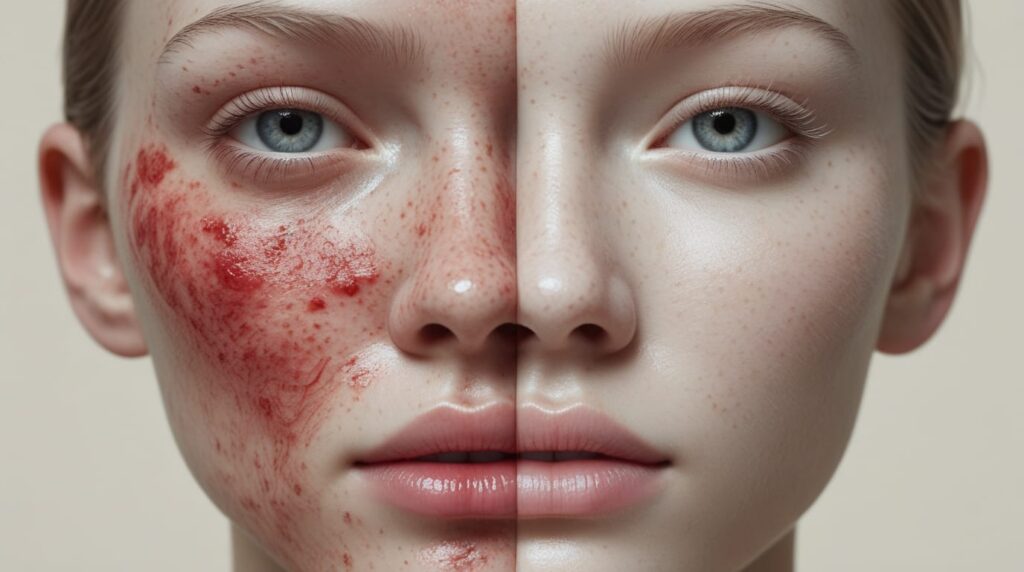
Some people also experience subtle health changes when omega-3 intake is too low. If you want to understand the early signs, you can read our guide on omega-3 and DHA deficiency symptoms in vegans.
Why Inflammation Triggers Acne
Acne is not only about oily skin.
Modern research shows that inflammation inside the body plays a big role in acne formation.
When inflammation increases, the skin may produce more oil and clogged pores become more common.
Omega-3 fatty acids like DHA help regulate inflammatory pathways in the body.
This does not mean DHA is a direct acne medicine.
But it may help support a healthier internal environment, which can reduce the severity of breakouts over time.
People who combine DHA intake with:
- balanced diet
- good sleep
- proper skincare
often notice better skin stability.
🌓 DHA for Pigmentation & Dark Spots
Pigmentation happens when:
- the skin is inflamed
- melanin gets over-produced
- healing process slows down
Skin-lightening creams focus only on melanin, not on inflamed cells.
But DHA for skin pigmentation works at the very beginning:
1. Lowers cellular inflammation
2. Heals damaged layers
3. Prevents melanocyte overstimulation
According to a clinical review, DHA speeds up skin healing following cellular stress and lessens UV-induced pigmentation.
Nutritional experts also highlight the importance of omega-3 fats for overall health, including inflammation balance and cell function, as explained by Harvard T.H. Chan School of Public Health.
That’s why results appear gradually:
Week 1–3 → inflammation settles
Week 4–8 → acne marks fade
Week 8–12 → deep pigmentation reduces
Slow? Yes.
Permanent? Also, yes.

For convenience, many people prefer buying vegan DHA capsules online, and you can see a few trusted options available on Amazon here.
👉 Check latest price on Amazon
DHA and Skin Repair
Skin constantly repairs itself.
Every day old skin cells are replaced with new ones. This process requires proper nutrients. DHA supports cellular health and helps maintain healthy cell membranes.
When skin cells function properly, the skin may recover better from:
- sun exposure
- inflammation
- acne marks
This can gradually improve the appearance of uneven skin tone.
However, DHA works slowly.
Visible improvement in pigmentation usually takes several weeks or months.
⏱️ When Can You Expect Visible Results?
Based on research + real user feedback:
| Time | Expected Result |
| 2–4 weeks | Less redness & fewer breakouts |
| 5–8 weeks | Smoother texture & restored glow |
| 9–12 weeks | Pigmentation and marks start fading |
| 12+ weeks | Long-term clear, bright & balanced skin |
Consistency > Dosage
Daily > High amount sometimes
Vegan DHA > Fish oil for acne-prone skin
📌 Best Way to Take DHA for Skin Benefits
Daily dose recommended by dermatologists: 250–350 mg DHA
💚 Best form: Vegan algal DHA capsules
Because they are:
- toxin-free
- skin-safe
- eco-friendly
- gut-friendly for long-term use
💡 Best timing → After breakfast or dinner with healthy fats
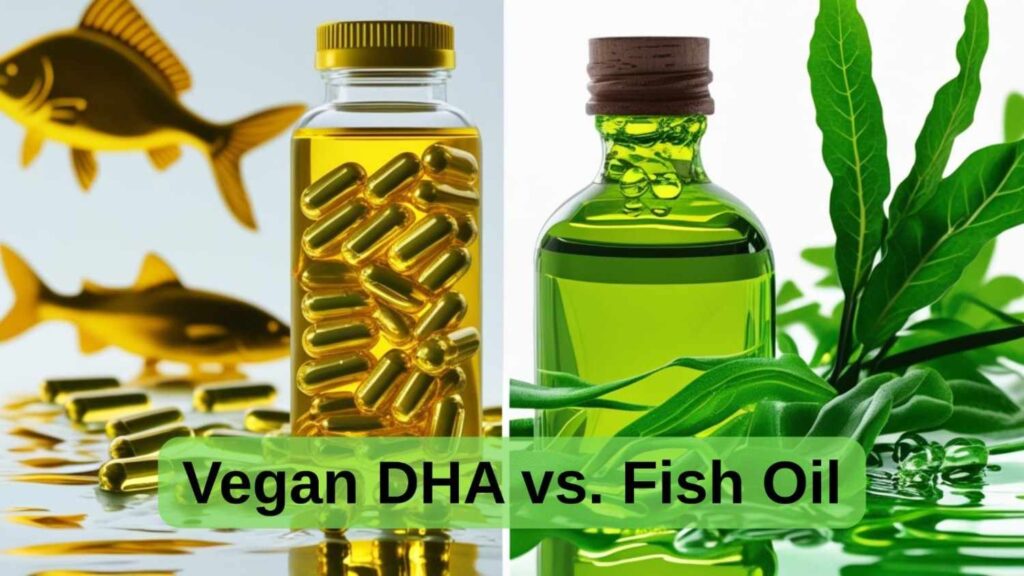
If you are comparing plant-based omega-3 with traditional sources, you can also read our detailed comparison on vegan DHA vs fish oil to understand the differences in purity, sustainability, and health benefits.
❤️Looking Back
When I look at my old photos, I don’t see acne or pigmentation anymore.
I see someone who was trying so hard on the outside while ignoring the inside.
Fighting your face is not the key to glowing skin.
It’s about taking care of your body.
Overnight, nothing changed.
But DHA slowly rebuilt my skin – cell by cell.
✅ FAQs
Q1. What exactly is DHA, and how does it support overall beauty and wellness?
DHA is an omega-3 fatty acid that supports cell repair, reduces inflammation, and strengthens the skin barrier, making the skin healthier and more resilient.
Q2. Can DHA help reduce acne breakouts?
Yes, DHA may lower inflammation and sebum oxidation, which are two major triggers behind acne. Many people notice calmer skin when DHA becomes a part of their routine.
Q3. Does DHA help lighten dark spots or pigmentation?
Research suggests DHA supports melanin regulation and improves skin cell turnover, which may gradually reduce hyperpigmentation and uneven tone.
Q4. Is DHA good for hair and scalp health too?
Of course. DHA nourishes hair follicles, supports growth, reduces dryness and may help with flaky scalp by improving lipid balance.
Q5. Which is better – fish oil or DHA for skin benefits?
Many people prefer DHA for skin because it delivers the same omega-3 benefits without fishy aftertaste, ocean toxins or animal cruelty — and plant-based DHA is easier to digest for most people.
Q6. How long does DHA take to show skin benefits?
Most nutritional changes take time.
Skin improvements may appear after 6–12 weeks of consistent intake.
Q7. Can DHA help with dry or dull skin?
Dry or dull skin can sometimes be linked to poor skin barrier function and low intake of healthy fats. DHA is an omega-3 fatty acid that supports cell membrane health and helps maintain skin hydration. When the skin barrier is stronger, the skin can retain moisture better and may appear smoother and more radiant over time.
Consistent intake along with a balanced diet and proper skincare can support overall skin health.
🟢 Final Takeaway
Healthy skin is not only about what you apply on the surface.
Your skin reflects what happens inside the body.
Nutrients like DHA support:
- skin cell structure
- inflammation balance
- skin barrier strength
Over time this internal support may improve skin hydration, stability, and overall appearance.
For people following vegetarian or vegan diets, algae-based DHA offers a practical way to include this important omega-3 fat.
Serums, creams, peels = surface support
DHA for skin = internal healing + long-term clarity
If topical products are not giving permanent results, don’t blame yourself – your body may simply be asking for nutrition.
If you ever decide to try DHA for your skin – choose a clean, plant-based DHA.
Not just because it’s vegan, but because it’s safer, purer and more suitable for sensitive, acne-prone skin.
Your skin deserves kindness – from the inside first.
VeganVitaa Blogs
For more in-depth information, explore our related guides below to better understand vegan DHA, algal oil, and choosing the right supplement. Blog
If you are looking for trusted product options, you can also read our detailed guide on the top 3 best vegan DHA supplements in India to compare quality, ingredients, and purity.
If you’re wondering how quickly DHA can start showing benefits, our detailed guide on how long vegan DHA takes to work explains the changes you may notice week by week.
If you are exploring plant-based omega-3 options, you may also find our guide on the best vegan omega-3 capsules in India helpful for comparing popular choices available in the market.
Disclaimer: This article is for educational purposes only. Always consult your paediatrician before starting new supplements.
Disclaimer: This post contains affiliate links. If you buy through these links, I may earn a small commission at no extra cost to you. It helps me keep sharing useful content with you.

Pingback: Vegan Hair Loss & Dull Skin: Best DHA Omega-3 Deficiency Fix