This blog was updated on 9th March 2026 to provide the latest information and researches on Vegan hair loss and dull skin.
Question: Why do vegans experience sudden hair loss and dull skin even with a healthy diet?
Answer: The most common reason for vegan hair loss and loss of skin glow is DHA Omega-3 deficiency. Plant foods contain ALA, not DHA, and the body converts only 1–5% ALA into DHA, leading to weak hair follicles, dryness, and reduced collagen. Fixing DHA levels with algae-based DHA Omega-3 quickly restores hair thickness and skin radiance.
Introduction
When I first started going vegan, many people told me my skin would glow and my hair would become stronger. For the first few months, that actually felt true. Smoothies, salad bowls, and fresh fruits gave me plenty of energy.
But slowly, something unexpected started happening. I began noticing more hair on my brush, and my skin – which once felt fresh – started looking dry and dull.
One morning, while touching my scalp, I remember thinking:
“I’m eating so healthy… so why is this happening?”
That question pushed me to start researching deeply. After weeks of reading scientific studies, speaking with experts, and exploring vegan nutrition research, I discovered an important truth many vegans don’t realize about DHA omega-3 and hair health.
👉 It wasn’t protein or biotin. It was DHA Omega-3 deficiency.
“Your skin and hair have no choice but to glow when you properly nourish your body.”
This blog is about my journey to recovery, not just information. This may also be the missing piece if you’re experiencing vegan hair loss or skin dullness despite following a “healthy diet”.
Why Vegans Have Dull Skin and Hair Loss
Hair and skin need three essential things to stay youthful:
✔ Moisture + Oil balance
✔ Collagen production
✔ Blood circulation to follicles
And guess who controls all three?
➡ Omega-3 fatty acids – especially DHA
The majority of DHA is obtained through diet because the human body is unable to produce it on its own. Fish is a source of DHA for non-vegans. The issue is that vegans typically consume ALA.
ALA ≠ DHA.
The body only converts 1–5% of ALA into DHA, even if a vegan consumes walnuts, chia seeds, and flax seeds every day. This indicates that there is still a 95% DHA gap, which is where vegan hair problems starts.
Low DHA =
❌ Weak hair roots
❌ Slow hair growth cycle
❌ Low skin elasticity → dull face
❌ Inadequate oil production → roughness and dryness
According to a 2024 study on hair follicles, DHA increases hair growth and decreases loss by stimulating dermal papilla cells.
A study available in PubMed Central (PMC) reports that DHA plays an important role in maintaining healthy cell membranes, which can influence skin health, inflammation levels, and overall hair quality.
That’s why thousands of vegans report strong nails, glowing skin, and thicker hair AFTER they start taking algal DHA.
The issue was never “being vegan”.
The issue was missing DHA.
And now you know the real root cause of hair shedding.
DHA vs ALA vs EPA: Why Only DHA Matters
Omega-3 fatty acids are not all the same. The three main types – ALA, EPA, and DHA – play different roles in the body, and understanding this difference is especially important for vegans.
Let’s break it simply:
| Type | Food Sources | Conversion to DHA |
| ALA | chia, flax, walnuts | 1–5% |
| EPA | algae, seaweed | 10–15% |
| DHA | algae oil | Already DHA, no conversion needed |
This comparison shows why DHA is often considered the most important omega-3 for brain health, skin quality, and hair strength. While ALA foods like flaxseed are healthy, they may not always provide enough direct DHA for optimal results.
You can also read our detailed comparison on algal oil DHA vs flaxseed omega-3 to understand which source works better.
Here’s the truth nobody says loudly:
Even if you follow a “super healthy diet” and consume three spoons of flaxseed daily, your DHA intake is so low that vegan hair loss still occurs.
DHA is special because it:
- Lubricates scalp follicles
- Increases keratin production
- Boosts collagen for glowing skin
- Improves brain & hormone balance (which affects hair cycle)
That’s why dermatologists call DHA “the beauty Omega”.
When vegans start taking algae-based DHA, they start to feel better because the body finally receives DHA directly, without conversion or loss.
Research published in PubMed Central (PMC) suggests that omega-3 fatty acids such as DHA support skin hydration and may help improve overall scalp and hair health.
Signs of DHA Omega-3 Deficiency in Vegans
If you are vegan and noticing 2 or more of these, DHA might be the missing link:
- Sudden hair shedding
- Hair thinning near the forehead / crown
- Excess hair on pillow, comb, bathroom drain
- Dry, stretchy or dull skin tone
- Dry eyes / irritation
- Brain fog or low focus
- Itchy scalp without dandruff
- Slow nail growth
These are not random – they are deficiency signals.
I ignored them until it got worse.
You don’t have to.
If you want to understand all the warning signs in detail, read our guide on omega-3 deficiency symptoms in vegans.
🧡 The Emotional Side of Vegan Hair Loss – Confidence & Self-Image
Nutrients, diets, and supplements are frequently discussed. However, the emotional aspect of vegan hair loss is rarely discussed. Our personalities are shaped by our hair, which is more than just a physical feature. It doesn’t hurt the scalp when hair starts to fall out all of a sudden; instead, it damages confidence.
I still remember avoiding the mirror because I didn’t want to notice the thinning areas in my hair. Every time I combed my hair, seeing more strands than usual felt discouraging. Even simple things like taking a shower started making me uneasy as I noticed more hair falling than before. I kept asking myself, “I’m eating healthy and following a vegan diet… so why is this happening?”
Many vegans carry that frustration and self-doubt in silence.
However, after weeks of anxiety, learning the cause of my DHA Omega-3 deficiency was like taking a deep breath. Because a genuine cause implied a genuine remedy as well. Something even more significant returned as my skin began to glow and my hair began to gradually gain volume: self-belief.
If you’re facing vegan hair thinning, please remember: this isn’t your fault. Your body just needs the right support – and recovery is absolutely possible.
Fixing the Deficiency – Vegan-Friendly Solutions
🔹 A. Food Sources (Helpful but not enough)
- Chia seeds
- Flax seeds
- Walnuts
- Hemp seeds
These support Omega-3 intake but won’t reverse vegan hair loss without DHA.
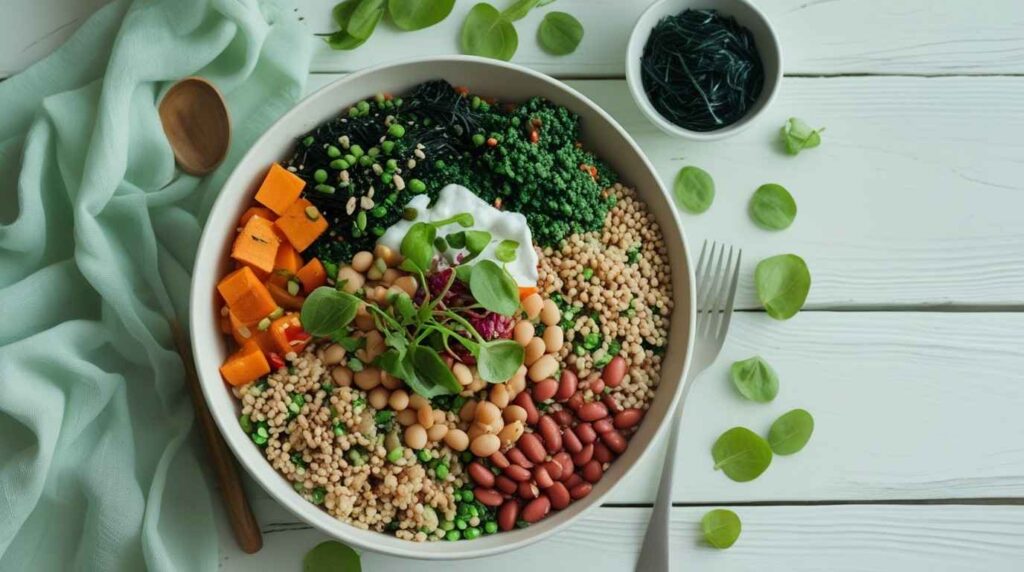
🔹 B. Seaweed & Algae
Natural source of DHA for vegans:
- Seaweed snacks
- Spirulina
- Chlorella
- Algae oil
🔥 C. DHA Supplement (Fastest Result)
If diet alone isn’t improving hair or skin health, a vegan DHA supplement made from algal oil can be a convenient way to support optimal omega-3 levels.
This is what solved my problem.
Here are Amazon picks:
👉 Check latest price on Amazon
👉 Check latest price on Amazon
👉 Check latest price on Amazon
Best practice for usage:
- Take 250–500 mg daily
- With meals (absorption doubles)
- Combine with Vitamin E for best skin glow
🔹 D. Boost absorption
- Reduce sunflower / soybean oil (excess Omega-6 blocks DHA)
- Increase Vitamin E & C
- Drink 2.5–3 litres water / day
After switching to algae DHA, my vegan hair thinning slowed in 4 weeks and skin glow returned in 6–8 weeks – and that’s why I confidently share this guidance.
Omega-3 DHA promotes collagen, hydration, and skin-barrier strength, which leads to noticeably radiant skin, according to numerous dermatology reviews.
Research available in PubMed Central (PMC) suggests that omega-3 absorption can improve when these fatty acids are consumed regularly as part of a balanced diet that includes healthy fats.
If you’re looking for a convenient supplement option, check our guide on the best vegan omega-3 capsules in India.
Why Many Vegans Still Miss Enough DHA
Even when vegans eat healthy foods like flaxseed, chia seeds, and walnuts, they may still struggle to get enough DHA. The reason is that these foods mainly provide ALA omega-3, which the body must convert into DHA.
Unfortunately, this conversion process is often very limited. As a result, some people may continue to experience signs of low DHA, such as dry skin, dull hair, or slow hair growth.
This is why many experts suggest combining ALA-rich foods with a direct DHA source, such as algae-based omega-3, to support better skin and hair health over time.
Vegan Hair & Skin Recovery Timeline
⏱ 2 weeks
- Skin dryness decreases
- Dark dull patches soften
⏱ 4–6 weeks
- Hair fall reduces 25–40%
- Glow slowly returns
⏱ 8–12 weeks
- Visible baby hair growth
- Hair density & bounce return
- Skin looks hydrated & youthful
⏱ 12+ weeks
- Complete stabilization
- Confidence comes back ❤️
The timeline may vary based on age & lifestyle – but every dermatologist agrees:
👉 DHA correction fixes vegan hair loss faster than any topical treatment.
FAQs
Q1. Can flax or chia seeds provide adequate DHA?
They supply ALA rather than DHA, and the body only converts 3–10% of it. Therefore, vegan hair loss and dull skin cannot be avoided by relying solely on seeds.
Q2. Can someone recover without taking DHA supplements?
It’s possible, but it’s very slow and incomplete. While general vegan fats and seed oils are healthy, they cannot take the role of DHA in the development of skin, hair follicles, and cell membranes.
Q3. Is algal DHA safe for children and pregnant women?
While most algae DHA supplements are considered safe and generally recommended, it is always preferable to see a doctor.
Q4. Do hair oils address hair loss cause by DHA?
No. Although oils provide external moisture to the scalp, internal DHA deficiency is the underlying issue. Hair loss will persist if DHA is not present in the cells.
Q5. After beginning DHA, how long does it take to see noticeable results?
The majority of DHA users report improved skin hydration in 6–8 weeks, decreased hair loss in 4–6 weeks, and full skin and hair radiance in roughly 10–12 weeks.
Q6. What is the best vegan source of DHA for hair and skin?
One of the most reliable vegan sources of DHA is algal oil, which provides direct DHA similar to fish oil but comes from algae. Many vegans prefer algal oil supplements because they deliver DHA without relying on the body’s slow ALA conversion.
Conclusion
Don’t blame your lifestyle if you’re vegan and experiencing dull skin or unexpected hair loss. The DHA gap, not veganism, is the true problem.
Your body will naturally begin to heal once your DHA needs are met, just as mine did.
🌱 VeganVitaa is soon launching 100% algae-based DHA made specially for
→ hair strength
→ glowing skin
→ brain focus
💬 Stay connected if you want early access + special launch discount.
Till then, start your recovery journey today.
Because nobody should suffer vegan hair loss, especially when the solution is this simple.
VeganVitaa Blog Links
For more in-depth information, explore our related guides below to better understand vegan DHA, algal oil, and choosing the right supplement. Blog
To understand DHA deficiency better and make informed choices, you may also find these related guides helpful:
If you are expecting, it’s important to understand safe DHA options. This guide explains how to choose the right vegan DHA capsules for pregnancy and why DHA is essential for your baby’s brain development.
DHA deficiency is increasingly common in India due to low seafood consumption and limited direct DHA sources in vegetarian diets. This detailed guide explains the real causes of DHA deficiency in India and how vegans can address it effectively.
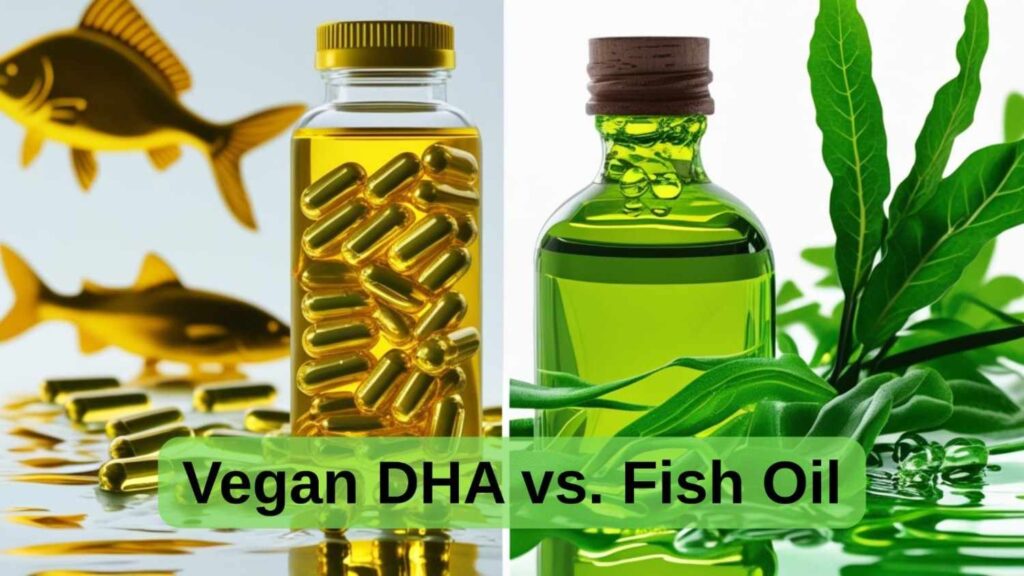
If you’re confused between plant-based and marine sources, this guide on vegan omega-3 vs fish oil explains the key differences, benefits, and which option may suit your needs better.
Choosing a high-quality algal oil can be confusing, so this guide to the best algal oil supplements in India breaks down the most reliable options for clean and effective vegan DHA.
Disclaimer: This article is for educational purposes only. Always consult your paediatrician before starting new supplements.
Disclaimer: This post contains affiliate links. If you buy through these links, I may earn a small commission at no extra cost to you. It helps me keep sharing useful content with you.