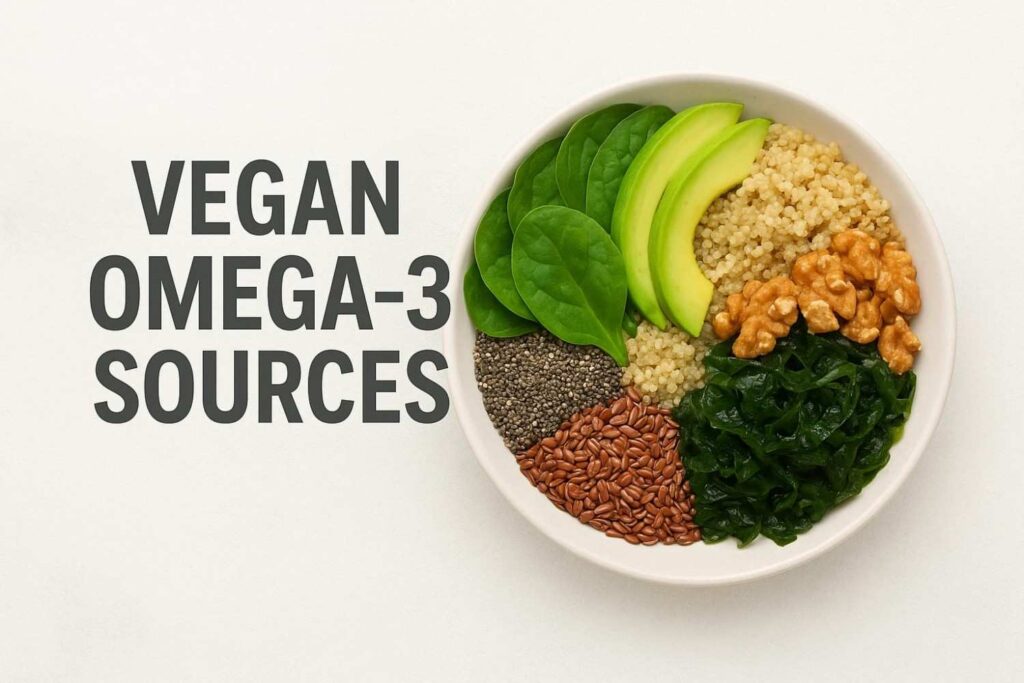
Best vegan omega 3 sources are essential for vegans and vegetarians who want to support brain, heart, and overall health naturally.
When most people think about Omega-3, fish oil comes to mind first. But what if you’re vegan, vegetarian, or simply don’t like fish? Don’t worry! You still have amazing plant-based choices. In fact, the best vegan omega 3 sources can give you the same powerful benefits — without fish at all.
Omega-3 is called an essential fat because your body can’t make it on its own. So, your body relies on food or supplements to get it. It plays a big role in brain power, heart health, mood balance, and reducing inflammation. If you’re following a plant-based lifestyle, making sure you get enough Omega-3 is super important. Luckily, plants have got your back!
Even if you’re fully committed to a clean plant-based diet, chances are your body might still be silently craving one vital nutrient — Omega-3 — the fuel that keeps your brain sharp, heart strong, and mood balanced.
Check out this link for more information! https://www.hsph.harvard.edu/nutritionsource/omega-3-fats/
Why Omega-3 Matters
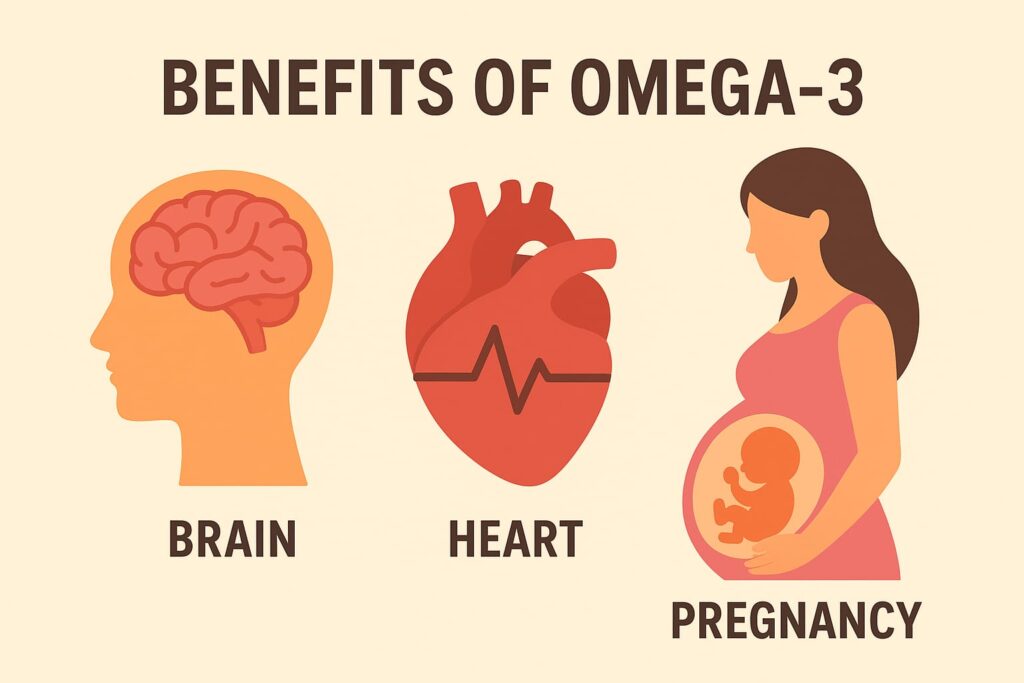
Here’s why adding Omega-3 to your diet is a game-changer:
Brain health: Supports memory, focus, and emotional well-being.
Heart health: Lowers cholesterol, helps blood circulation, and supports a healthy heart.
Pregnancy & baby: DHA (a special form of Omega-3) is vital for brain and eye development in babies.
Inflammation: Reduces joint stiffness, muscle soreness, and lowers the risk of long-term diseases. If your body doesn’t get enough Omega-3, you might feel more tired, moody, or even struggle to concentrate.
That’s why including the best vegan omega 3 sources in your everyday meals makes such a big difference.
Check out this link for more information! https://ods.od.nih.gov/factsheets/Omega3FattyAcids-Consumer/
Best Vegan Omega 3 Sources
Let’s look at the top plant-based foods that are easy to add to your diet and packed with Omega-3:
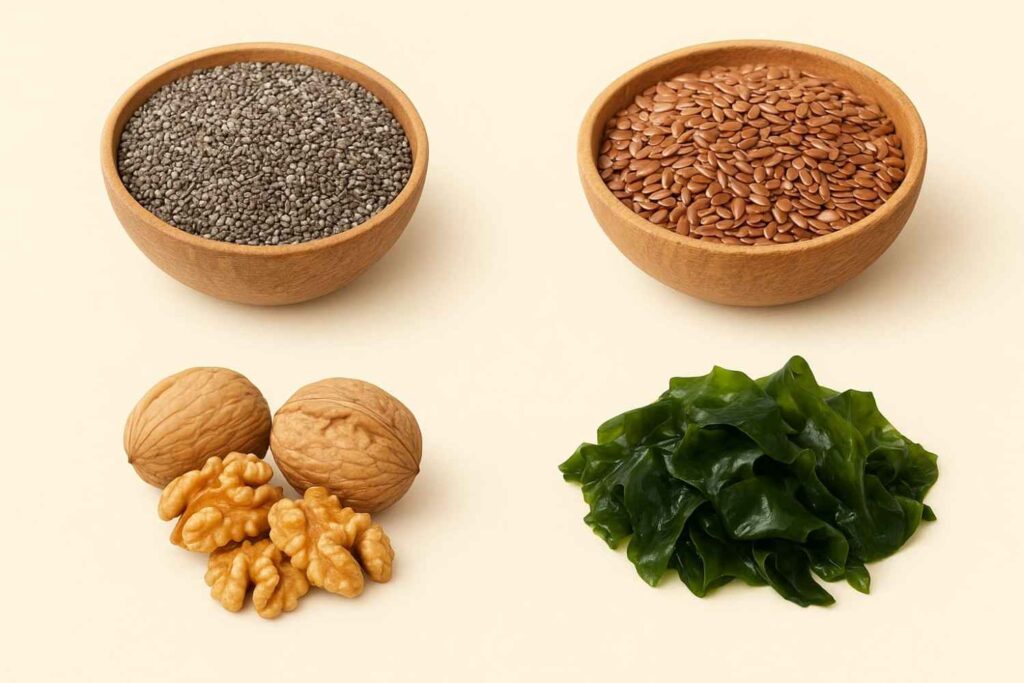
1. Chia Seeds
Tiny but mighty! Only 2 tablespoons of chia seeds can fuel your body with a full day’s Omega-3. You can soak them overnight for chia pudding, blend them into smoothies, or sprinkle on salads.
2. Flaxseeds
One of the most affordable and best vegan omega 3 source options. But here’s the trick: always use them ground (powder form), because whole flaxseeds often pass through undigested. Add them to oats, bread, or use as an egg replacer in vegan baking.
3. Walnuts
A handful of walnuts not only makes a great snack but also supports your brain and heart. Plus, they’re super easy to carry around and enjoy anytime.
4. Hemp Seeds
These tiny seeds have a mild nutty taste and are packed with a healthy balance of Omega-3 and Omega-6. Sprinkle them on smoothie bowls, salads, or even mix into your morning oats.
5. Algal Oil (from algae)
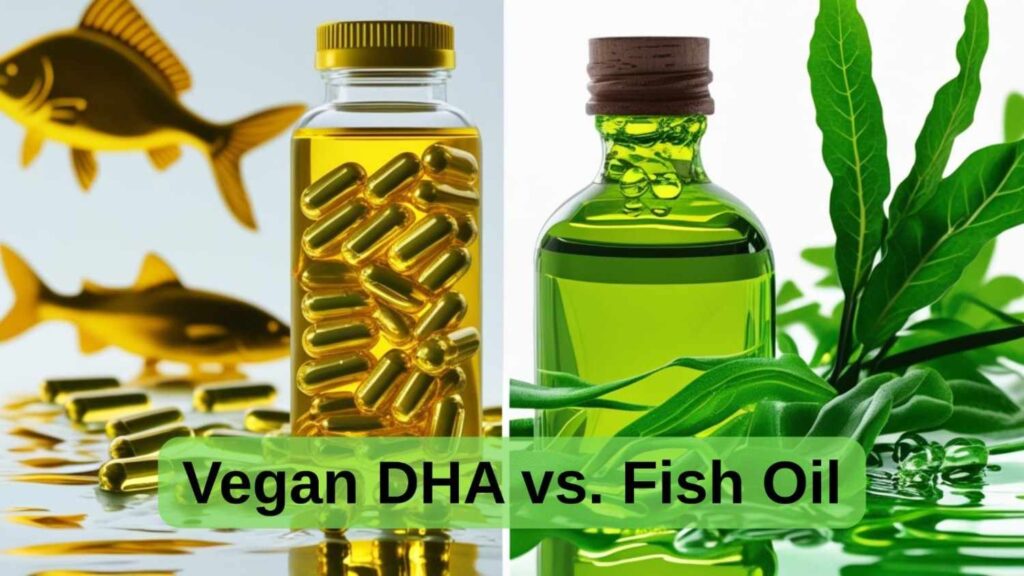
Here’s the superstar! Plant-based diets usually deliver ALA, the primary Omega-3 found in plants. But algae oil gives you DHA, the same type found in fish — completely vegan. That’s why algal oil supplements are considered the most reliable and concentrated best vegan omega 3 sources.
Check out this link for more reference! https://www.vegansociety.com/resources/nutrition-and-health/nutrients/omega-3-fat?utm_source
How Much Omega-3 Do You Need?
Experts suggest adults need around 250–500 mg of DHA + EPA daily. Plant foods mostly give you ALA, which your body converts into DHA/EPA — but only in small amounts.
That’s why combining foods like chia, flax, walnuts, hemp, and algae oil is the smartest way to make sure you’re fully covered.
Vegan Omega-3 Supplements
Food first, always! But sometimes life is busy, and supplements make it easier.
Algae Oil Capsules: Pure DHA, 100% vegan.
Pregnancy support: Highly recommended for mothers-to-be for their baby’s brain and eye health.
Busy lifestyle: Great if you don’t eat seeds or nuts every single day.
Tips to Absorb Omega-3 Better
Getting Omega-3 is one thing, but making sure your body uses it well is just as important. Here’s how:
1. Balance oils: Cut down on too much refined oil (like sunflower or soybean) since they can block Omega-3.
2. Eat ground seeds: Flax and chia work best when ground or soaked.
3. Pair with Vitamin E foods: Nuts, spinach, and avocados help your body absorb Omega-3 better.
4. Avoid high heat: Don’t cook flax or chia oil on high heat — it destroys their healthy fats.
FAQs on Vegan Omega-3
Q1: Can vegans get enough Omega-3 without supplements?
Yes! By eating chia, flax, walnuts, and hemp daily, most vegans can meet their needs. Supplements (like algal oil) just make it easier.
Q2: What is the best vegan omega 3 source for pregnancy?
Algal oil is the best, as it provides direct DHA needed for baby’s brain and eye development.
Q3: Are seeds better than nuts for Omega-3?
Seeds (like chia, flax, and hemp) usually have more Omega-3 than nuts. Walnuts are the exception — they’re a great nut-based source.
Q4: Do I need to eat these foods every day?
Not all at once! Just include a mix throughout the week.
If you want a healthier brain, heart and glowing skin — start adding Omega-3 foods daily or switch to algal DHA today.
Final Thoughts
Being vegan doesn’t mean missing out on Omega-3. From chia seeds to walnuts, hemp seeds to algal oil, you’ve got everything you need in the plant world.
By mixing these foods and, if needed, adding a supplement, you can easily meet your daily requirement.
👉 So remember this: the best vegan omega 3 sources are already in your kitchen. Add them to your meals today and feel the difference — more energy, a better mood, and long-lasting health. 🌱
Get more information about Vegan DHA from our other blogs. Blog
Pingback: Vegan DHA: Why Vegans Need It & Common Myths
Pingback: Vegan Omega 3 for Athletes: Stamina, Recovery & Performance
Pingback: Vegan Omega 3 for Pregnancy – Complete Guide for Moms to be
Pingback: Vegan DHA for Mental Health: Natural Support for Depression
Pingback: Vegan DHA Dosage Per Day: How much DHA do you need?
Pingback: Is flaxseed enough for omega-3? The Truth About ALA vs DHA
Pingback: Vegan DHA for Athletes: Recovery & Performance
Pingback: Do Vegans Need DHA? Signs, Risks & Best Sources