
This blog was updated on 25th June 2026 to provide the latest information and researches on Best Vegan Omega 3 Sources for a healthy plant-based diet.
Best vegan omega 3 sources – this is usually the first thing you search after deciding to go plant-based and realising that fish oil is simply not an option anymore.
And then comes the confusion. Chia seeds, flaxseeds, walnuts, hemp, algal oil – everyone recommends something different. Some say food is enough. Others say you absolutely need a supplement. Nobody gives you a straight, simple answer.
Here is what actually matters. Not all plant-based omega-3 is the same. Most foods give you ALA – which your body has to convert into DHA. That conversion is limited, sometimes as low as 5%. So while flaxseeds and walnuts are genuinely good for you, they may not fully cover what your brain and eyes need every day.
This guide breaks down the best vegan omega 3 sources available to Indian vegetarians and vegans in 2026 – from everyday kitchen foods to algal oil, the one plant source that gives you direct DHA without any conversion.
No confusion. Just clarity.
If you follow a vegetarian diet and want a complete breakdown of DHA, EPA, and ALA – including the best supplements available in India – this guide covers everything in one place: Vegan Omega 3 Guide for Vegetarians : DHA EPA ALA Sources & Best Supplements
For a deeper understanding of how omega-3 affects brain and heart health, Harvard Health has put together a clear, research-backed explanation worth reading.
Why Omega-3 Matters
I am a 54-year-old vegetarian from Surat, India. A few years ago, I felt constantly tired and low on energy. My doctor pointed to one thing – Omega-3 deficiency.
That was my wake-up call.
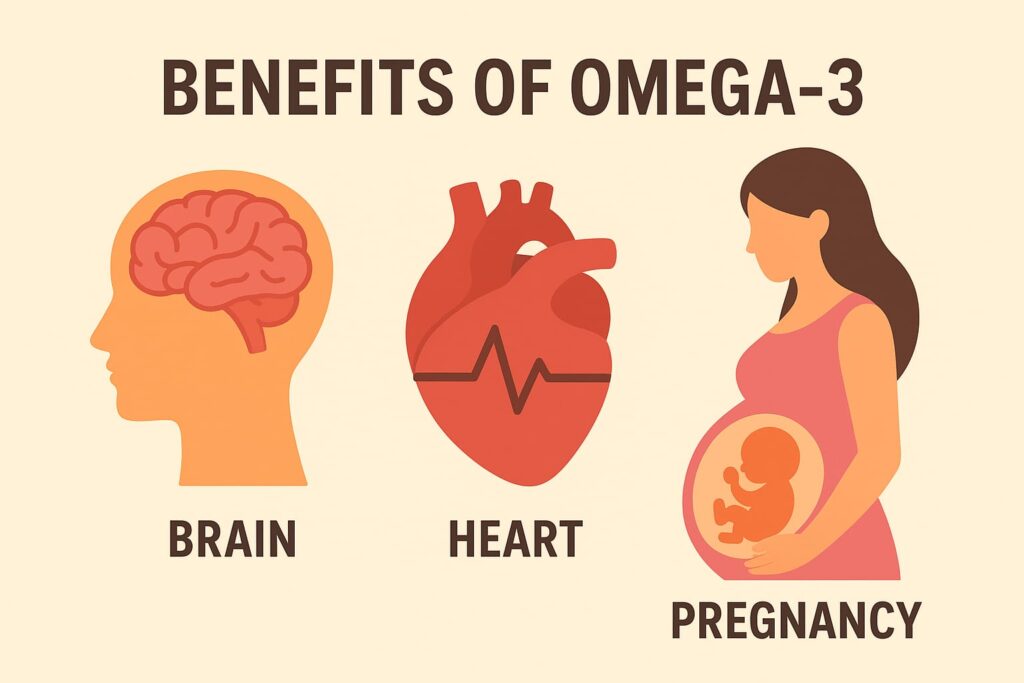
The best vegan omega-3 sources – especially DHA support brain health, heart function, and reduce joint inflammation. For vegans and vegetarians, plant based omega-3 is even more critical because we skip fish entirely.
Omega-3 for vegans is not just about food. It is about making sure your body gets what it needs from vegan omega-3 foods and supplements daily.
For pregnant women, DHA from omega-3 vegan sources directly impacts baby’s brain and eye development.
And without enough vegetarian omega-3? Fatigue, mood swings, poor focus – your body is quietly asking for help.
If you want to check the official daily intake recommendations for omega-3, the National Institutes of Health has a straightforward consumer guide that covers dosage, sources, and safety.
Best Vegan Omega-3 Sources — What I Actually Use
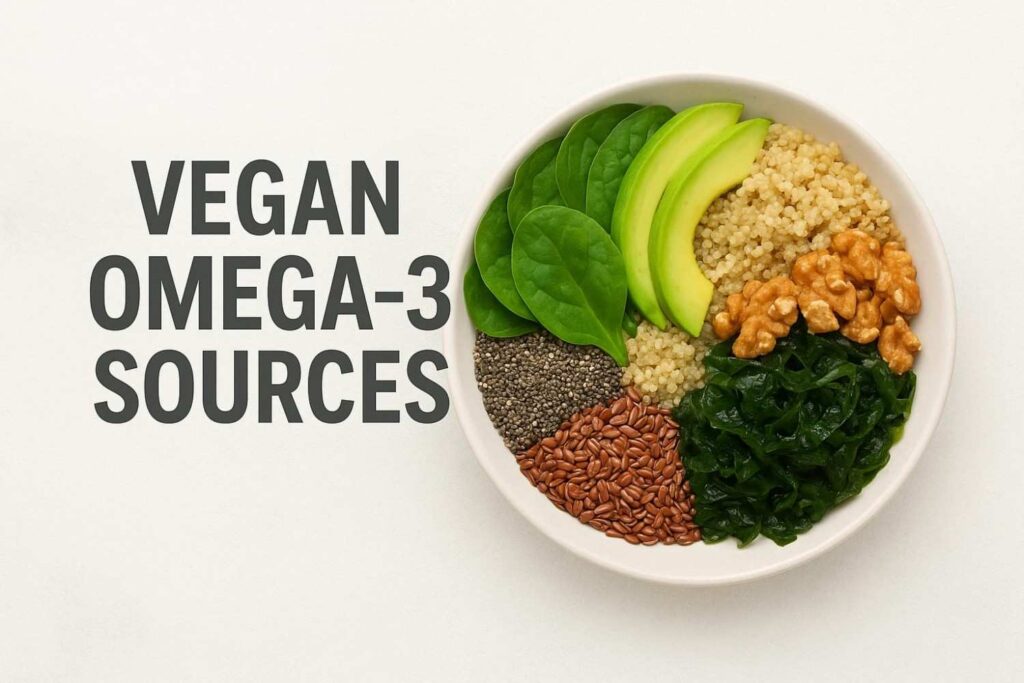
After years of research and personal experience, these are the best vegan omega-3 sources I recommend to every plant-based Indian:
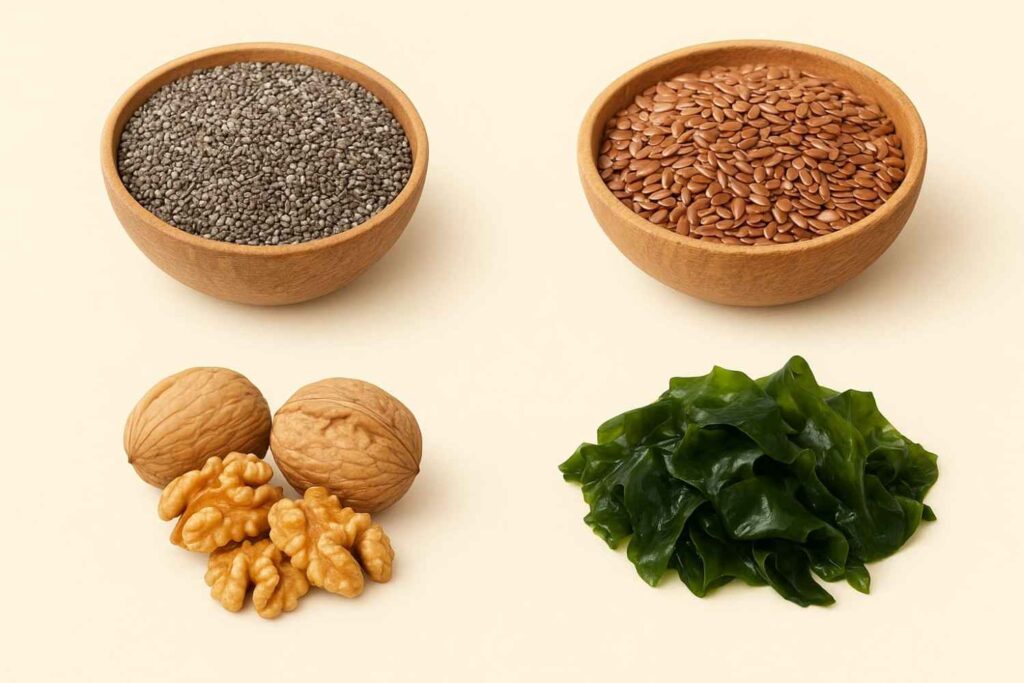
1. Chia Seeds
I add two tablespoons to my morning water every single day. Simple, affordable, and one of the richest vegan omega-3 foods available in India. Soak overnight or blend into smoothies — works either way.
2. Flaxseeds
The most budget-friendly vegetarian omega-3 option. One important tip – always use ground flaxseeds, not whole. Whole seeds pass through undigested. I mix one spoon into my morning oats daily.
3. Walnuts
A handful of walnuts every day supports both brain and heart health. Easy to carry, easy to eat- best quick plant based omega-3 snack for busy Indians.
4. Hemp Seeds
Mild nutty taste with a perfect balance of omega-3 vegan sources and Omega-6. Sprinkle on salads or mix into oats.
5. Algal Oil- The Most Important One
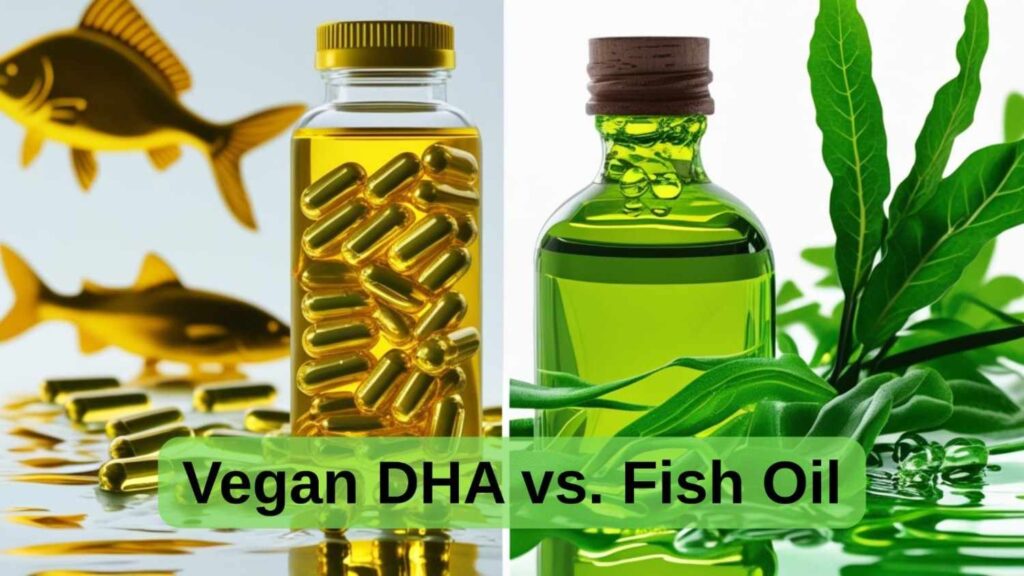
Here is the truth about omega-3 for vegans – ALA from food is not enough. Your brain needs DHA specifically. Algal oil gives you direct DHA – same as fish oil – completely plant based. This is why I personally take an algal oil supplement daily and recommend it on VeganVitaa.
If you are looking for the best algal oil supplements available in India right now, we have compared the top options in detail – Best Algal Oil India 2025-26: Top Vegan DHA Supplements Reviewed
The Vegan Society has a detailed breakdown of omega-3 for plant-based eaters – including why ALA conversion is limited and what vegans should actually focus on.
Vegan Sources of DHA – Why Food Alone Is Not Enough
This is the part most plant-based guides quietly skip over – and it is the part that matters most.
Chia seeds, flaxseeds, walnuts. You are eating them regularly, doing everything right. But here is what these foods actually give you: ALA. Not DHA.
ALA needs to be converted into DHA inside your body before it becomes useful. And that conversion? It is surprisingly poor – sometimes as low as 1 to 5%. So you could be adding flaxseeds to your breakfast every single day and still not giving your brain the DHA it actually runs on.
Most vegans and vegetarians in India live with this gap for years without realising it. There are no dramatic warning signs in the beginning. Just a slow, quiet shortfall that builds up over time.
The only plant food that skips this conversion problem entirely is algal oil. It comes directly from microalgae – which is the original source of DHA on the planet. Fish do not make DHA themselves. They eat algae. So algal oil simply removes the middleman.
Keep eating your chia and flax – they are still good for you. But if DHA is what you are after, algal oil is the only plant-based source that genuinely delivers it.
Not sure how much DHA you actually need daily? This guide breaks it down simply – Vegan DHA Dosage Per Day : How Much Do You Really Need?
Best Vegan Omega-3 Supplements in India: A Simple Guide for Vegans
While foods like flaxseeds, chia seeds, and walnuts provide omega-3, they mainly contain ALA (alpha-linolenic acid). The body must convert ALA into DHA and EPA, but this conversion is often very limited. That’s why many vegans choose algae-based omega-3 supplements, which provide DHA and EPA directly.
When choosing a vegan omega-3 supplement, look for:
- Algae-based DHA and EPA
- Third-party quality testing
- No fish-derived ingredients
- Adequate DHA content per serving
- Good customer reviews and brand reputation
Here are some popular vegan omega-3 supplements available in India:
A good vegan omega-3 supplement can be especially helpful for people who do not regularly consume omega-3-rich foods or who want direct DHA support for brain, eye, and heart health. A healthcare professional can help determine whether supplementation is appropriate for your individual needs.
Disclosure: This post contains affiliate links. As an Amazon Associate, I earn from qualifying purchases.
Omega 3 Vegan Foods for Indian Kitchens – What to Add Daily
Most Indian kitchens already have what they need. The problem is not availability – it is awareness.
Flaxseeds are sitting in most homes, usually forgotten in some corner of the shelf. Start there. Roast them lightly, grind them into powder, and add a spoonful to your roti dough or morning curd. Whole flaxseeds pass through the body largely undigested – grinding them is what actually makes the difference.
Walnuts are easier. No preparation needed. A small handful in the afternoon – instead of biscuits or that second cup of chai – is a swap most people can actually stick to without feeling like they are on a diet.
Chia seeds are probably the most flexible option. Soak them overnight in water or milk, add them to your breakfast, mix into a lassi or smoothie. They absorb whatever flavour is around them, so you barely notice they are there.
Hemp seeds are harder to find in smaller cities, but they are slowly appearing on Amazon and in health stores. If you can get them, they are worth it – good balance of omega-3 and protein in one ingredient.
None of this needs to be complicated. One small addition at a time, to meals you are already making. That is genuinely how it works in a real Indian household.
How Much Omega-3 Do You Need Daily?
This is the question I get asked most on VeganVitaa.
Experts recommend 250–500 mg of DHA and EPA daily for adults. The problem for vegetarian omega-3 seekers is this – plant foods give you ALA, not DHA directly. And your body converts only 5–10% of ALA into DHA.
That is why relying only on vegan omega-3 foods like chia and flax is not enough. You need a combination foods plus a good algal oil supplement – to fully cover your plant based omega-3 needs daily.
Vegan Omega-3 Supplements — My Personal Recommendation
Food first, always. But real life is busy especially in Indian households.
This is where omega-3 for vegans supplements become essential:
Algae oil capsules give you direct DHA – 100% vegan, no fish involved. For pregnant women, this is non-negotiable – baby’s brain and eye development depend directly on DHA from omega-3 vegan sources.
I personally take algal oil daily and recommend Carbamide Forte Vegan Omega-3 on VeganVitaa – affordable, reliable, and India-available.
If you’re looking for the best vegan omega-3 capsules available in India, I’ve reviewed the top 5 here: Best Vegan & Vegetarian Omega 3 Capsules in India 2026 | Top 5 DHA Picks
Tips to Absorb Omega-3 Better
Getting vegan omega-3 sources is only half the job – absorption matters too.
After years of personal research, these four tips made the biggest difference for me:
Cut down refined oils – sunflower and soybean oil block Omega-3 absorption directly.
Always use ground flaxseeds – whole seeds pass through undigested. I learned this the hard way.
Pair with Vitamin E foods – spinach, nuts, and avocados help your body absorb plant based omega-3 better.
Never cook flax or chia on high heat – it destroys the healthy fats completely.
FAQs
Q. Can vegans get enough omega 3 from food alone?
Most vegans can get ALA from food – but direct DHA is almost impossible to get from plants alone. Algal oil is the only reliable plant-based DHA source.
Q. Which is the best vegan omega 3 source for vegetarians in India?
Flaxseeds and chia seeds for ALA, and algal oil capsules for direct DHA. Together these two cover everything a vegetarian needs daily.
Q. What is the best vegan omega 3 source for pregnancy?
Algal oil is the best, as it provides direct DHA needed for baby’s brain and eye development.
For a complete guide on vegan DHA during pregnancy, read this – Best Vegan DHA Capsules for Pregnancy in India
Q. Is algal oil better than flaxseed oil for omega 3?
Yes – algal oil gives you direct DHA while flaxseed oil gives only ALA which converts poorly. For brain and eye health, algal oil is the stronger choice.
Q. Are seeds better than nuts for Omega-3?
Seeds (like chia, flax, and hemp) usually have more Omega-3 than nuts. Walnuts are the exception – they’re a great nut-based source.
Q. Do I need to eat these foods every day?
Not all at once! Just include a mix throughout the week.
If you want a healthier brain, heart and glowing skin – start adding Omega-3 foods daily or switch to algal DHA today.
Final Thoughts
Being vegan does not mean compromising on omega-3. The best vegan omega 3 sources are already around you – chia seeds, flaxseeds, walnuts, hemp seeds, and algal oil.
Food comes first. Add a variety of these to your daily meals and you will cover most of your ALA needs naturally.
But if you want direct DHA – the form your brain and eyes actually depend on – algal oil is the one addition that makes a real difference. No fish. No compromise. Just one clean, plant-based capsule.
Start small. Stay consistent. That is all it takes.
Start with what is already in your kitchen – chia, flax, walnuts, hemp. Add algal oil if you want direct DHA. That combination is all most vegans and vegetarians in India actually need.
About the Author
Kamal Mishra is a health & nutrition writer and vegan wellness advocate. He is the founder of VeganVitaa – India’s trusted vegan DHA resource for plant-based families.
For more in-depth information, explore our related guides below to better understand vegan DHA, algal oil, and choosing the right supplement. Blog
Discover the top vegetarian omega-3 sources that support heart, brain, and overall health in our detailed Indian food guide.
For those considering a supplement, our guide to the best vegan DHA supplements in India compares the top options available in 2026.
Even a healthy diet may not provide enough DHA, which is why many people explore the best vegan DHA supplements in India to help bridge the gap.
If you’re looking to save money without compromising quality, our guide to the best vegan DHA supplements in India compares the most reliable options across different budgets and DHA strengths.
Disclaimer: This article is for educational purposes only. Always consult your paediatrician before starting new supplements.
Disclosure: This post contains affiliate links. As an Amazon Associate, I earn from qualifying purchases.

Pingback: Vegan DHA: Why Vegans Need It & Common Myths
Pingback: Vegan Omega 3 for Athletes: Stamina, Recovery & Performance
Pingback: Vegan Omega 3 for Pregnancy – Complete Guide for Moms to be
Pingback: Vegan DHA for Mental Health: Natural Support for Depression
Pingback: Vegan DHA Dosage Per Day: How much DHA do you need?
Pingback: Is flaxseed enough for omega-3? The Truth About ALA vs DHA
Pingback: Vegan DHA for Athletes: Recovery & Performance
Pingback: Do Vegans Need DHA? Signs, Risks & Best Sources
Pingback: Low Fat Vegan Diet Problems: Are You Getting Enough Healthy Fats?