Introduction: A Story from Everyday India
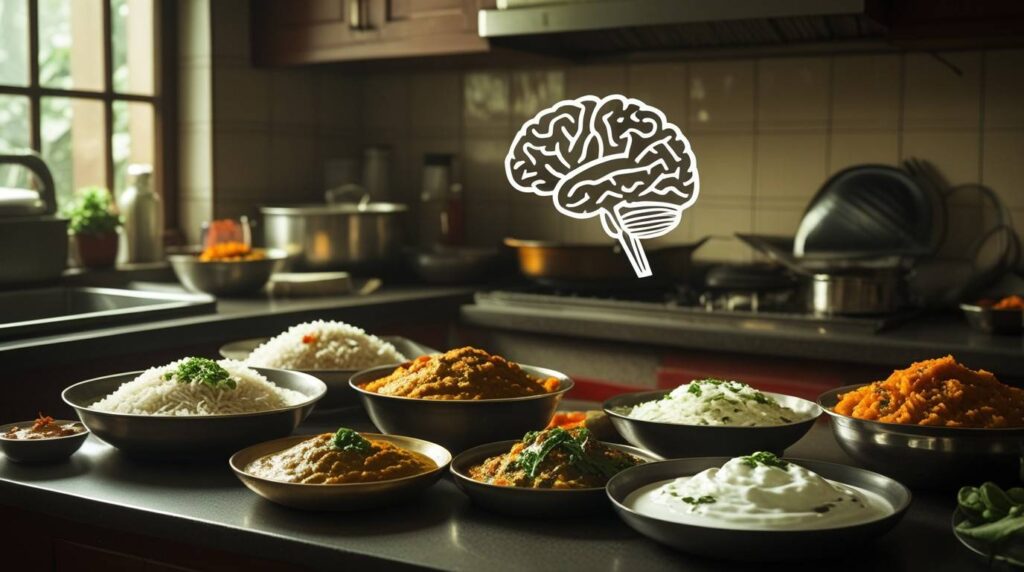
Every morning, Meena packs lunch for her family.
Roti, sabzi, dal, curd. Fully vegetarian. Clean. Traditional.
Her son studies long hours but forgets things easily.
Her husband feels tired even after full sleep.
Meena herself has frequent eye strain and low mood.
They all eat “healthy food”.
So, what could be missing?
This is where DHA Deficiency in Indian Vegetarians and Vegans quietly enters the picture.
DHA is not something most Indian vegetarians or vegans consider. It is typically neglected in discussions at home.
Doctors do very little to address it unless a person has an issue they need to resolve quickly.
Since the signs of deficiency are gradual and subtle, people are often unaware of any lack of essential nutrients in their body.
More from Meena’s kitchen: small changes that matter
Meena, worried sick about her son’s struggles to focus, decided to visit a clinic close by.
The doctor, keen to get to the bottom of things, started by asking about the boy’s eating habits. While they chatted about the importance of iron and vitamins, it seemed like the vital role of DHA went unnoticed. Eventually, the doctor suggested a simple remedy: an algal oil DHA capsule.
Within a few weeks, some slight but positive changes started to appear. Her son’s sleep got better, and he could concentrate for longer periods. This story really highlights how even the smallest bit of knowledge can make a massive difference in people’s lives.
“Although the typical Indian vegetarian diet makes ample use of grains, pulses, and fresh produce, it frequently struggles to incorporate direct sources of DHA.”
What Is DHA Omega 3?
DHA is a type of Omega 3 fat.
Its full name is Docosahexaenoic Acid, but don’t worry about the name.
Think of DHA as brain food.
DHA is a major building block of:
- Brain cells
- Eye retina
- Nerve system
DHA helps with your brain’s thinking, improves vision and gives smooth through the nervous system all throughout life from pregnancy to old age.
How DHA works
Think of brain cells as being little houses.
Good quality bricks and wiring would be liked to DHA. If a brick house is not much good because the bricks are poor quality, the brain becomes weak also.
The signals that are sent from the brain through nervous system start to take longer if you have low levels of DHA in your body.
Therefore, you lose concentration and memory.
Why DHA Deficiency Is Common in India
Vegetarian and Vegan Diet Pattern
Most Indians are vegetarian by culture or belief.
Many are now fully vegan.
But traditional Indian vegetarian diets do not contain direct DHA.
This is the main reason DHA Deficiency in Indian Vegetarians and Vegans is so widespread.
According to dietary assessments reviewed by the Indian Council of Medical Research (ICMR), the common Indian diet is largely plant-based. Unfortunately, this eating style frequently fails to provide ready-made DHA, which can increase the chances of omega-3 deficiencies at different points in a person’s life.
Source: ICMR – Indian Dietary Guidelines & Fat Intake Recommendations
For a complete understanding of plant-based omega-3, you can read our detailed Vegan Omega-3 Guide.
Low Fish Consumption
Fish is the main natural source of DHA.
But many Indian families:
- Don’t eat fish
- Avoid it for religious reasons
- Dislike the taste or smell
So, DHA intake becomes almost zero.
High Omega-6 Intake
Indian cooking often uses:
- Sunflower oil
- Soybean oil
- Refined vegetable oils
These oils are high in omega-6 fats.
Too much omega-6 can block omega-3 use in the body.
“In India, common cooking oils like sunflower and soybean are a good source of omega-6 fatty acids.”
Poor ALA to DHA Conversion
Foods like flaxseed and chia have ALA (a plant omega-3).
But the body converts only a small percent of ALA into DHA.
That means most people still remain deficient.
Research published by the National Institutes of Health (NIH) shows that the human body converts less than 5% of ALA into DHA, and in many adults the conversion is even lower, especially with high omega-6 intake and stress.
Source: National Institutes of Health (NIH) – Conversion of alpha-linolenic acid to DHA in humans- https://pmc.ncbi.nlm.nih.gov/articles/PMC6860743/
Lack of Awareness
Very few people in India know about DHA deficiency.
Even educated families often believe, “Hum vegetarian hai, hume deficiency nahi hoti.”
Sadly, that is not true.
This problem is not limited to vegetarians- DHA deficiency is widespread across India.
DHA Deficiency in India: Why Most Indians Are Not Getting Enough DHA- https://veganvitaa.com/dha-deficiency-in-india/
DHA Deficiency Symptoms (Indian Context)
DHA deficiency does not show fast or dramatic signs.
It slowly affects daily life.
Common symptoms include:
- Brain fog and slow thinking
- Poor memory and focus
- Eye strain from mobile and laptop use
- Mood swings or low motivation
- Constant fatigue
- Head heaviness
Pregnancy and Child Development Risks
For pregnant women, DHA deficiency is more serious.
Low DHA can affect:
- Baby’s brain development
- Learning ability
- Vision growth
This is a hidden risk many Indian mothers never hear about.
How to spot DHA Deficiency at home
Look for patterns over weeks:
- Trouble remembering things
- Dry or tired eyes after small screen time
- Mood changes without clear reason
- A child who learns slowly despite effort
These signs do not prove deficiency, but they are reasons to check diet and consider supplements.
Who Is Most at Risk?
Vegetarians and Vegans
Anyone avoiding fish and eggs is at high risk.
This includes Jain, temple-following families, and strict vegans.
Students
Students need DHA for:
- Memory
- Concentration
- Exam performance
Low DHA often shows as distraction and mental tiredness.
Working Professionals
Long screen time + stress + low DHA = brain burnout.
Many professionals blame work pressure, but nutrition plays a big role.
Pregnant Women
During pregnancy, DHA demand increases.
Without awareness, deficiency becomes common.
Elderly People
Low DHA in older age can affect:
- Memory
- Nerve health
- Mood balance
This makes DHA Deficiency in Indian Vegetarians and Vegans a life-long concern.
Why Flaxseed & Chia Are Not Enough
This is one of the biggest myths in India.
ALA vs DHA – Simple Explanation
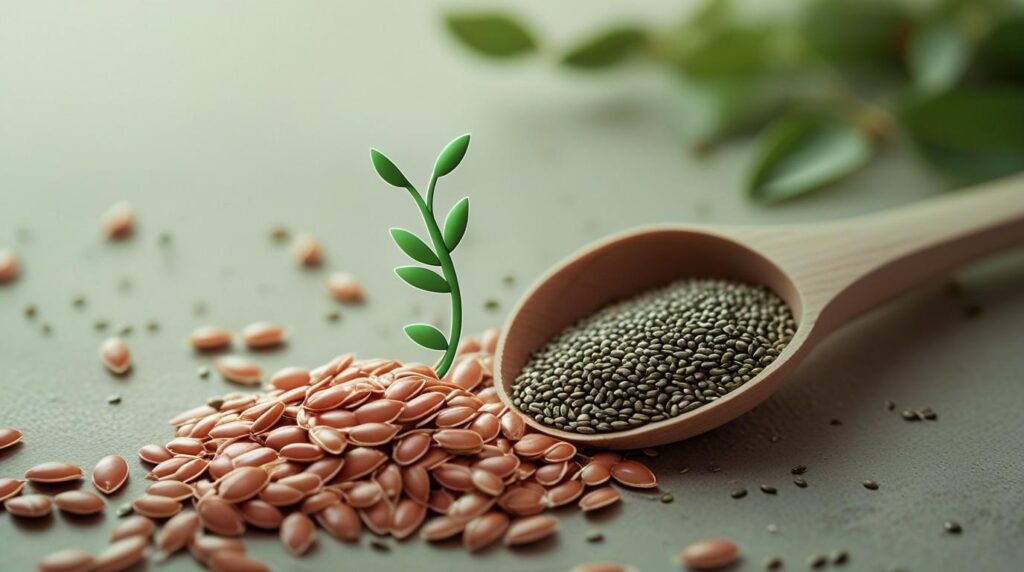
- Flaxseed and chia give ALA.
- Brain needs DHA.
- Body must convert ALA → DHA.
But conversion is very poor.
Only a small percentage of ALA becomes DHA in the body.
Factors that reduce conversion:
- Stress
- Age
- High omega-6 diet
- Diabetes
- Thyroid issues
Common Indian Myths
- “I eat flaxseed daily, so I am safe.”
- “Plant omega-3 is same as fish omega-3.”
These beliefs are incomplete.
Flaxseed is healthy, but it cannot fully solve DHA deficiency.
Risks of Long-Term DHA Deficiency
When DHA deficiency continues for years, risks increase.
Brain Health
Low DHA may lead to:
- Poor memory
- Slow thinking
- Reduced mental sharpness
Heart Health
DHA supports heart rhythm and vessel health.
Long-term deficiency may increase heart risk.
Mental Health
Low DHA is linked with:
- Low mood
- Anxiety
- Emotional imbalance
Child Brain Development
For children, DHA deficiency can affect:
- Learning ability
- Focus
- Vision development
This makes DHA Deficiency in Indian Vegetarians and Vegans a serious public health issue.
Best DHA Solutions for Vegetarians & Vegans
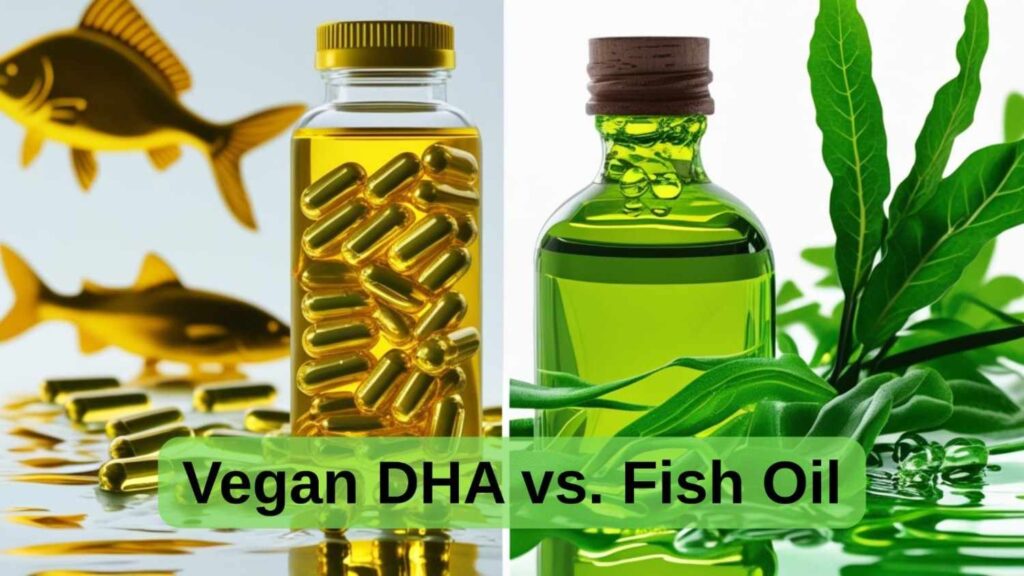
Algal Oil DHA – The Best Option
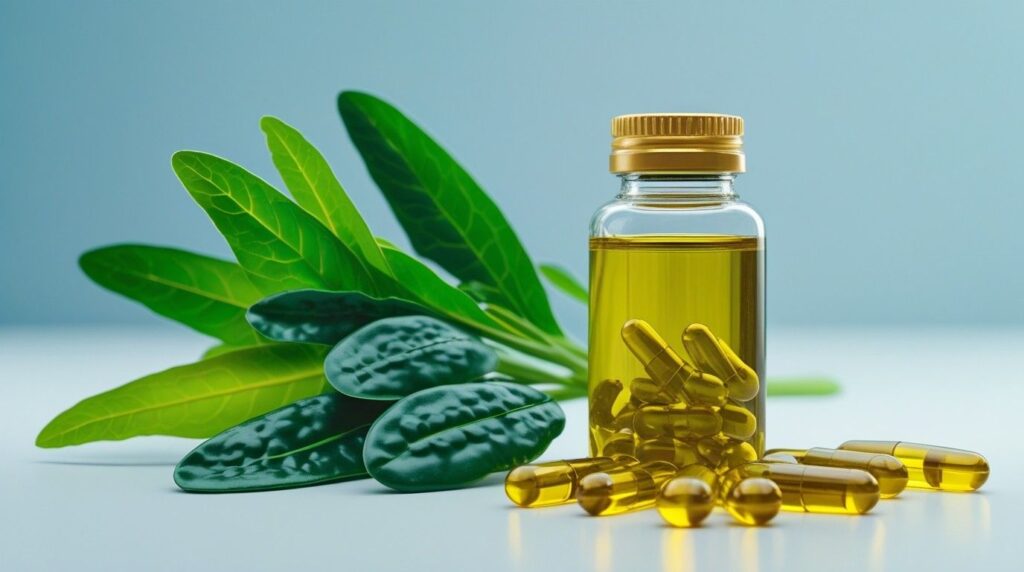
Algal oil DHA comes from algae.
Fish get DHA by eating algae.
So algal oil is:
- 100% plant-based
- Vegan
- Direct source of DHA
Clinical studies published on PubMed show that DHA from algal oil has similar bioavailability to fish oil DHA, making it an effective and reliable plant-based alternative without the risk of ocean contaminants.
Source: PubMed – Bioavailability of DHA from algal oil compared with fish oil https://pubmed.ncbi.nlm.nih.gov/41096614/
Why Algal Oil Is Better Than Fish Oil
- No fish smell
- No heavy metal risk
- Suitable for vegetarians
- Environment-friendly
- Pure and clean
This makes algal oil DHA the best solution for Indian vegetarians and vegans.
Other Helpful Foods
- Seaweed (small amounts)
- Fortified foods (milk alternatives, cereals)
- Eggs (if ovo-vegetarian)
- Fermented soy products
For vegetarians, algal oil DHA is the most reliable and clean source of omega-3.
Why Algal Oil is the Best Vegan Source of DHA Omega 3- https://veganvitaa.com/algal-oil-is-the-best-vegan-source-of-dha-omega-3/
How Much DHA Do Indians Need?
General guidelines (simple):
- Adults: 200–300 mg DHA per day
- Students: 200 mg DHA per day
- Pregnant women: 300–400 mg DHA per day
- Elderly: 250–300 mg DHA per day
Needs vary based on health and lifestyle.
If you are unsure, ask a dietitian.
Short checklist for daily habits that support DHA
- Sleep 7–8 hours
- Reduce deep-fried foods
- Use oils with better omega balance (mustard or rice bran)
- Add ground flaxseed for general health (but not as the only DHA source)
- Use vegan DHA (algal oil DHA) if you avoid fish
How to Choose the Right Vegan DHA Supplement
Before buying any vegan DHA, check these points.
Purity
- No heavy metals
- No harmful additives
Dosage
- At least 200 mg DHA per serving
Certifications
- FSSAI approved
- GMP certified
- Third-party tested
Algal Oil Source
- Mentioned clearly on label
- Not mixed with fish oil
A good supplement helps correct omega 3 deficiency in vegetarians safely.
How to read a supplement label — a quick guide
- Check “DHA” mg on the front. This is what matters.
- Look for “algal oil” or “microalgae”.
- Check third-party testing logos.
- Avoid vague terms like “omega-3 blend” without numbers.
Choosing a brand — quick checklist
- Clear DHA mg per capsule
- Vegan label
- FSSAI or other local approval
- Third-party lab testing
- Good storage and expiry date
Practical Daily Tips
- Add ground flaxseed for ALA (still useful)
- Reduce sunflower and soybean oil
- Eat a variety of nuts and seeds
- Use algal oil DHA supplement if you are vegetarian or vegan
- For pregnant women, choose a supplement with higher DHA
Practical plan to improve DHA in 90 days
Week 1–2: Awareness
- Note meals and oils used
- Add ground flaxseed to roti or smoothie
Week 3–6: Reduce blockers
- Use oils with better omega balance, like mustard oil or rice bran
- Cut back on fried foods
Week 7–12: Add direct DHA
- Start vegan DHA supplement (200–300 mg/day)
- Choose algal oil DHA with clear label
Monitor changes:
- Sleep quality
- Attention in work or study
- Eye comfort
FAQs (Frequently Asked Questions) – Common Questions & Safety Tips
Q: Are children able to take algae oil DHA?
A: Yes, many supplements are appropriate for use in children; check with your paediatrician before selecting one, as well as after selecting one when choosing an appropriate dose for your child.
Q: Can pregnant females take vegan DHA?
A: Yes; many doctors recommend taking DHA while you are pregnant. Look for a dose of 300-400 mg of DHA daily.
Q: Will taking supplements lead to weight gain?
A: No; there is no evidence indicating that taking DHA capsules will lead to any excess calorie intake.
Warnings and safety information
– When choosing a supplement, be sure it has been tested.
– Avoid products with unknown or mixed sources of DHA.
– For those currently taking blood-thinning medication; discuss with your doctor before beginning higher doses of DHA than typically recommended.
Why This Matters for India’s Future
There are a lot of youth in India and many of these families are rapidly growing in size! If a significant portion of India’s vegetarian population is deficient in DHA (A type of Omega-3 Fatty Acid), it could negatively affect national health.
Several small public health actions have the potential to positively impact millions of people:
– Awareness Campaigns
– Nutrition Education at Schools
– Labelling with Clear Information
Short myth-busting section
Myth: “If I eat walnuts and flaxseed, I don’t need DHA.”
Fact: These foods are healthy but poor converters to DHA.
Myth: “DHA is only for babies.”
Fact: DHA supports brain health at all ages.
Final Thoughts: Awareness Is the First Step
Indian vegetarian and vegan diets present a rich array of advantages, but there’s a catch. Often overlooked in these eating styles is a crucial nutrient: DHA.
DHA Deficiency in Indian Vegetarians and Vegans is not about fear.
It is about awareness.
You don’t have to compromise your beliefs. There’s no need to change what you eat. All it takes is the right knowledge and the best solution.
With simple steps like adding vegan DHA from algal oil, you can protect:
- Your brain
- Your eyes
- Your family’s future health
For vegetarians and vegans:
- It is common for vegetarians and vegans to be deficient in DHA; it can be fixed!
- Small, consistent changes lead to substantial improvement.
- Use minor changes to your diet and, if you require it, use a highly trusted vegan DHA supplement.
DHA Deficiency in Indian Vegetarians and Vegans is an important subject that needs to be talked about and addressed in public arenas.
Don’t feel guilty about how your food choices have created your dietary patterns or what your family eats; instead, focus on making gradual changes by taking note of and measuring the results of your improvements.
The development and maintenance of healthy brains ultimately create an environment where healthy children can thrive: healthy children grow into productive adults who make significant contributions to society through their work and family life.
“This article is for general health education and awareness. It is not a substitute for medical treatment.”
Expert Advice – Kamal Mishra
If you’re finding yourself bothered by issues related to your physical processes, it’s wise to reach out to a healthcare professional, or perhaps a nutritionist whose advice you value. It might also be beneficial to think about adding a well-regarded algal oil DHA supplement to your daily routine.
Stay curious and keep learning. Strive for a fulfilling, healthy existence by making decisions that are backed by good information.
Get more information about Vegan DHA from our other blogs. Blog
Disclaimer: This article is for educational purposes only. Always consult your paediatrician before starting new supplements.