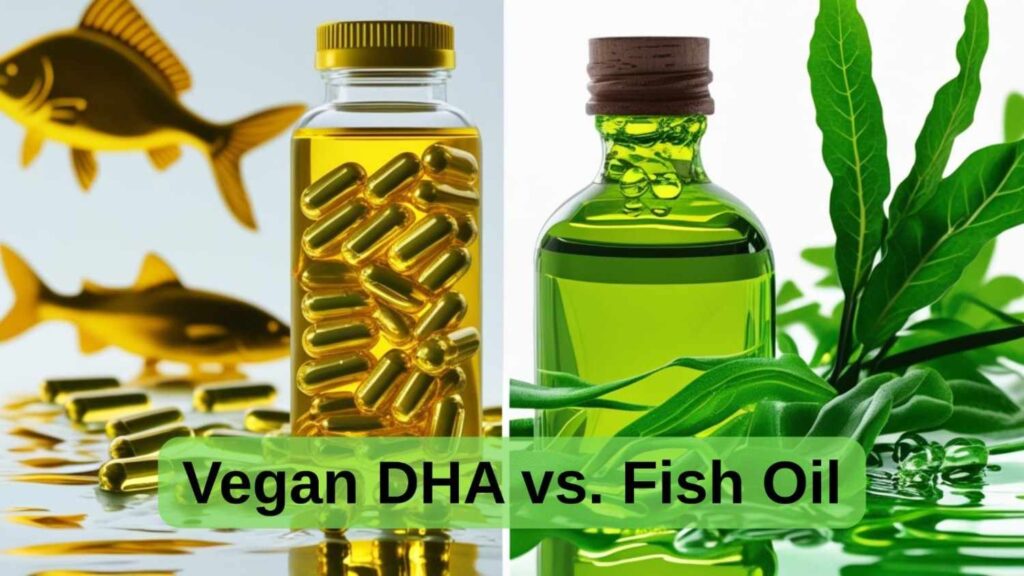
Search “how is fish oil made” and you’ll mostly get vague answers, “extracted from fatty fish,” full stop, nothing more. That’s technically true and completely unhelpful if you’re actually trying to understand what’s happening between a fishing boat and the capsule sitting in your medicine cabinet. The process has more steps than most people assume, and a few of those step’s matter if you care about quality, or if you’re wondering why fish oil capsules smell the way they do.
Nothing against fish oil here, this isn’t that kind of article. Just the actual process, step by step, because most explainers online stop halfway through it.
How Is Fish Oil Made — The Short Version
Cold-water oily fish, mostly. Anchovies, sardines, mackerel, sometimes salmon leftovers. From there it’s cooking, pressing, separating, and refining before any of it sees the inside of a capsule. Every one of those steps exists for a reason, mostly to strip out impurities and keep the oil from spoiling before it lands on a shelf.
Below is the process broken into stages. Most “how fish oil pills are made” answers online squeeze this into two lines, which honestly doesn’t tell you much.
Step 1: Sourcing the Fish
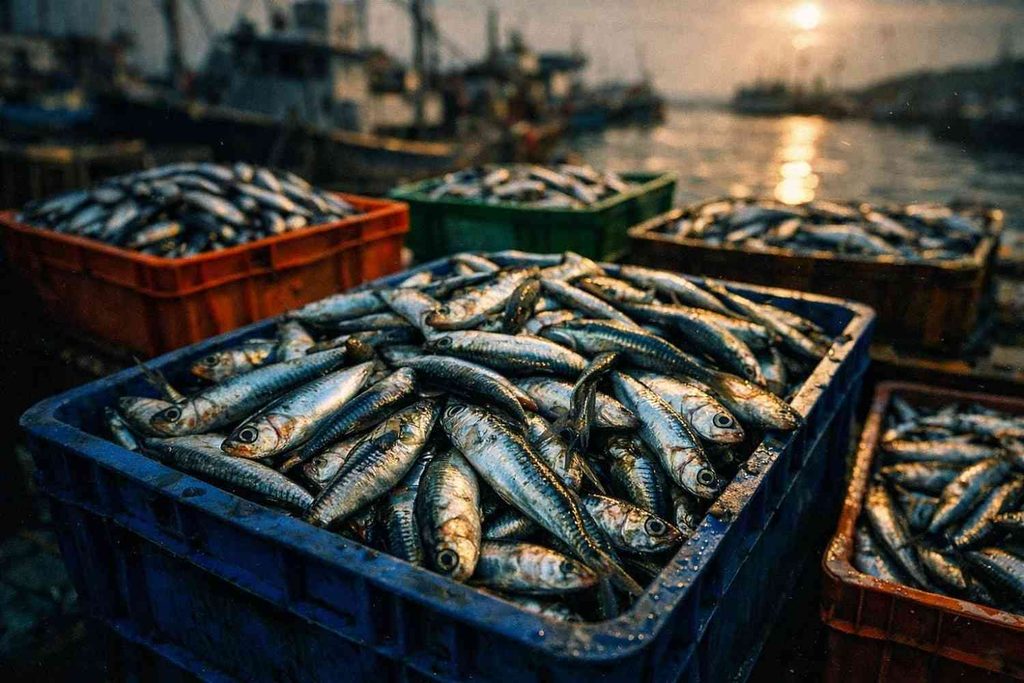
Here’s something most people don’t expect. Fish oil rarely comes from fish caught specifically to make oil. It’s mostly a byproduct business, trimmings, offcuts, whole small fish pulled from fisheries that are really in the business of selling fish for food, not oil. Anchovies and sardines show up again and again because they’re cheap, plentiful, and carry a lot of fat for their size.
- Small oily fish are preferred for their higher fat concentration
- A large share of the raw material comes from fish processing waste, not dedicated oil-fishing
- Sourcing location affects both oil quality and contamination risk, which is why traceability matters more than people realize
Step 2: Cooking and Pressing
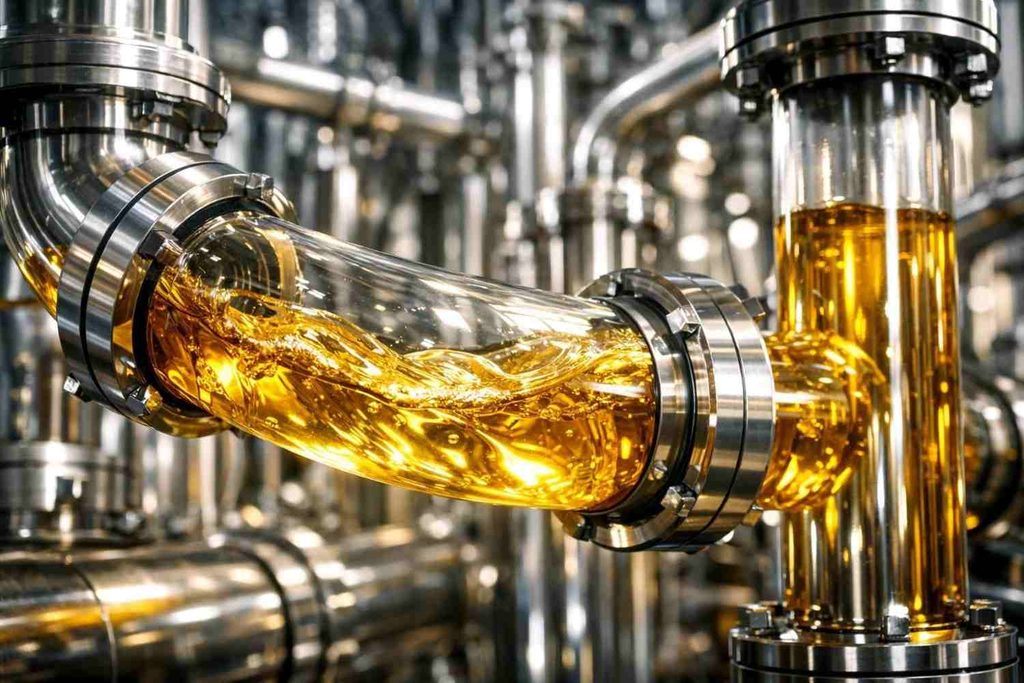
This is where fish oil manufacturing actually starts to look industrial. The fish get cooked, usually with steam, which breaks down the tissue and separates the oil from the solid protein content. After cooking, the mixture goes through a press that physically squeezes out liquid, which is a combination of oil and water.
That liquid then goes into a centrifuge, spinning fast enough to separate oil, water, and any remaining solid particles by density. That’s the industrial stage of how fish oil is made, and it’s not that different from how a lot of vegetable oils get pressed too, just fish instead of seeds.
Step 3: Refining and Purification
What comes out of the centrifuge isn’t something you’d want anywhere near your mouth. Dark, strong-smelling, and depending on where the fish came from, possibly carrying heavy metals or PCBs too. Refining cleans most of that up, though not every brand takes it equally seriously.
- Degumming pulls out phospholipids and other stuff that makes the oil cloudy
- Neutralizing cuts down free fatty acids, the ones responsible for rancidity
- Bleaching strips out color and leftover contaminants using clay filters, nothing to do with actual bleach
- Deodorizing, usually steam distillation, is what tones down that heavy fishy smell
- Molecular distillation, mostly on higher-end brands, concentrates EPA and DHA further while clearing out more heavy metals
Not every fish oil product goes through all five to the same degree. That’s basically why quality swings so much between brands. Cheaper products, more often than not, skipped a step or rushed it.
Step 4: Concentrating EPA and DHA
Raw fish oil naturally has a fairly modest EPA and DHA content, often somewhere around 18-30% of total fat content, the rest being other fatty acids that aren’t the reason people buy the supplement in the first place. Manufacturers use processes like molecular distillation or enzymatic concentration to boost that ratio, which is how you end up with products advertising higher EPA and DHA numbers per capsule.
This concentration step is also where cost differences between brands start showing up clearly, since more processing generally means a higher price point.
Step 5: Encapsulation
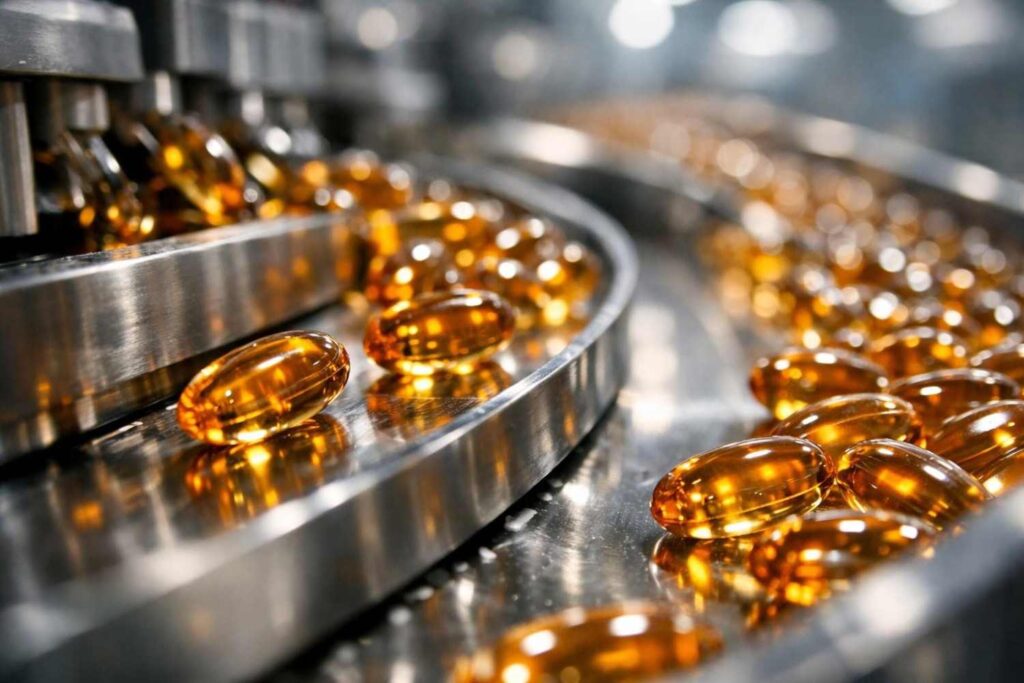
Once the oil is refined and concentrated, it gets encapsulated, almost always in a softgel. Softgel capsules are made from gelatin, typically bovine or fish-derived, combined with glycerin and water to form the outer shell. The liquid oil gets sealed inside through a rotary die process, which is the same basic method used for most softgel supplements, not just fish oil.
This is also the exact point where fish oil becomes a non-vegetarian product structurally, not just because of the oil inside, but because of the gelatin shell surrounding it. If you’re curious how a plant-based DHA source sidesteps this gelatin step entirely, Why Algal Oil Is the Best Vegan DHA Source walks through the algal oil process for comparison.
Why Fish Oil Smells and Tastes the Way It Does
A lot of the fishy burping and aftertaste people complain about traces back to oxidation, which starts the moment the oil is extracted and continues slowly even after encapsulation. Omega 3 fatty acids don’t hold up well once exposed. Heat, light, air, all of it speeds up oxidation. And oxidation is basically what you’re tasting when a capsule burps back up an hour later.
Better manufacturing slows this down through nitrogen flushing during bottling and adding antioxidants like vitamin E, but it doesn’t stop the process entirely. This is one reason storage matters as much as the manufacturing process itself, a well-made fish oil capsule stored in a hot, humid place can still go rancid faster than the label suggests.
Fish Oil vs a Plant-Based Alternative
Since the whole extraction and refining process depends on fish tissue, there’s no version of traditional fish oil that works for a vegetarian or vegan diet, gelatin shell aside. Algal oil exists specifically because algae is the original source of DHA and EPA that fish accumulate by eating it, so producers extract it directly from algae instead of going through a fish at all. This is the exact distinction we spend most of our time explaining at VeganVitaa. After years of running a vegetarian household myself, I still get asked whether fish oil counts as a “vegetarian source” simply because it doesn’t look or taste like meat, it doesn’t, and understanding this manufacturing process is usually what finally makes the difference click.
For a fuller breakdown of how the two compare on safety, absorption, and practical differences, see Vegan Omega 3 vs Fish Oil: Which Is Safer for Indians?
Frequently Asked Questions
Q. Is fish oil made from whole fish or just parts of them?
Both, honestly. A lot of its small oily fish processed whole, plus a decent chunk coming from leftover trimmings at fisheries that primarily sell fish for food.
Q. Why do some fish oil capsules smell stronger than others?
Refining quality, mostly, and how the bottle’s been stored since it left the factory. Skip a refining step or leave the bottle somewhere warm, and the smell gets stronger fast.
Q. Are fish oil pills made the same way across all brands?
Not really. The broad steps look similar on paper, but how thoroughly each one gets done varies a lot, and that’s most of the reason two bottles can cost wildly different amounts.
Q. Does the capsule shell itself come from fish too?
Sometimes, yes. Softgel shells are usually gelatin, bovine or fish-derived depending on who’s making it, on top of whatever’s inside the capsule.
According to the NIH, fish oil supplements can vary meaningfully in EPA and DHA content and purity depending on processing methods, which is why checking a product’s actual composition matters more than trusting a general “fish oil” label — NIH Omega 3 Fatty Acids Fact Sheet.
Conclusion
Small oily fish or fishery leftovers to start with. Cook it, press it, pull out the crude oil. Refine it, deodorize it, clean up the smell. Concentrate it to push the EPA and DHA numbers up. Seal it into a gelatin softgel, and that’s the bottle on the shelf. That’s how is fish oil made, start to finish. Whether a specific bottle actually went through every step properly is a different question, and it’s really the reason quality swings so much between brands.
If you’re vegetarian or vegan, or just curious how a plant-based DHA source skips the fish and the gelatin shell entirely, the comparison is worth reading next — Vegan Omega 3 vs Fish Oil: Which Is Safer for Indians?
About the Author
Kamal Mishra is a health & nutrition writer and vegan wellness advocate. He is the founder of VeganVitaa – India’s trusted vegan DHA resource for plant-based families.
For more in-depth information, explore our related guides below to better understand vegan DHA, algal oil, and choosing the right supplement. Blog
Disclaimer: This article is for educational purposes only. Always consult your paediatrician before starting new supplements.