When you’re going through the incredible experience of pregnancy, paying close attention to what you eat becomes incredibly important. Doctors often point to DHA as one of the key nutrients you’ll need. It’s a really important omega-3 fatty acid that plays a big role in helping your baby’s brain and eyes develop properly.
Many expecting mothers search online to understand how much DHA during pregnancy is actually needed. The confusion becomes even greater for vegetarian mothers because most DHA sources come from fish.
DHA plays a major role in:
- Baby’s brain development
- Eye and retina formation
- Nervous system growth
- Healthy pregnancy outcomes
Because of these benefits, doctors often recommend DHA supplements during pregnancy.
However, the real question many mothers ask is DHA intake during pregnancy should they take daily.
WHO recommend around:
👉 200–300 mg DHA per day during pregnancy
This range supports fetal brain development and healthy pregnancy outcomes.
If you want to understand the full role of omega-3 during pregnancy, you can also read our detailed guide on DHA benefits during pregnancy.
Quick Summary
- Most experts recommend 200–300 mg DHA per day during pregnancy
- DHA supports baby brain and eye development
- Vegetarian mothers can get DHA from algal oil supplements
- Plant foods like flaxseeds and walnuts mainly provide ALA omega-3
- Consistent DHA intake during pregnancy supports healthy fetal development
Recommended DHA Intake During Pregnancy
While major medical organizations present somewhat varied advice on omega-3 intake for pregnant. Individuals, the general consensus in healthcare circles leans towards the importance of sufficient DHA for supporting a baby’s brain development.
According to the World Health Organization, omega-3 fatty acids are important for fetal development and maternal health.
Similarly, the American College of Obstetricians and Gynaecologists (ACOG) recommend omega-3 intake during pregnancy for healthy fetal growth.

WHO recommends omega-3 intake for maternal nutrition.
👉 200–300 mg DHA per day
This recommendation exists because DHA contributes to:
- Brain cell formation
- Retina development
- Cognitive development after birth
- Healthy pregnancy duration
Because of these benefits, nutrition experts frequently discuss how much DHA during pregnancy when advising expecting mothers.
You can also explore our detailed guide on Vegan Omega-3 for Anxiety, where we explain the benefits, proper dosage, and the best time to take it.
Doctor’s Note
The human brain is nearly 60% fat, and DHA is one of the most important structural fats in brain tissue
Many doctors recommend DHA because fetal brain development depends heavily on omega-3 fatty acids during pregnancy.
This is why prenatal nutrition guidelines often include DHA supplements, especially for mothers who do not consume fish.
Several studies suggest that adequate DHA intake during pregnancy may support better cognitive and visual development in infants.
DHA Requirement by Trimester
Pregnancy has three stages, and the baby’s development changes in each trimester.
Although the daily DHA requirement usually remains similar, the importance of DHA increases as the baby grows.
Understanding these stages helps clarify DHA requirement for pregnant women supports fetal development.
First Trimester
During the first trimester:
- Brain and spinal cord begin forming
- Nervous system starts developing
- Basic organ development begins
Maintaining around 200 mg DHA daily helps support early neurological development.
Second Trimester
During the second trimester:
- Brain growth becomes more active
- Neural connections increase
- Baby begins rapid physical development
Continuing DHA intake ensures proper brain and eye development.
Third Trimester
The third trimester is the most important stage for DHA accumulation.
During this period:
- Baby’s brain grows rapidly
- Retina development increases
- DHA stores build in fetal brain tissue
During pregnancy, doctors and other medical professionals always emphasize how vital DHA is.
If you want to compare plant and fish DHA sources, read our guide on vegan DHA vs fish oil during pregnancy.

DHA Intake Recommendations (Quick Table)
Below is a simple overview of DHA intake during pregnancy.
| Pregnancy Stage | Recommended DHA Intake | Why It Matters |
| First Trimester | 200 mg per day | Early brain and nervous system development |
| Second Trimester | 200–300 mg per day | Brain growth and neural connections |
| Third Trimester | 300 mg per day | Rapid brain and eye development |
This table helps mothers quickly understand how much DHA during pregnancy supports different stages of fetal growth.
For a complete understanding of plant-based omega-3, you can read our detailed Vegan Omega-3 Guide.
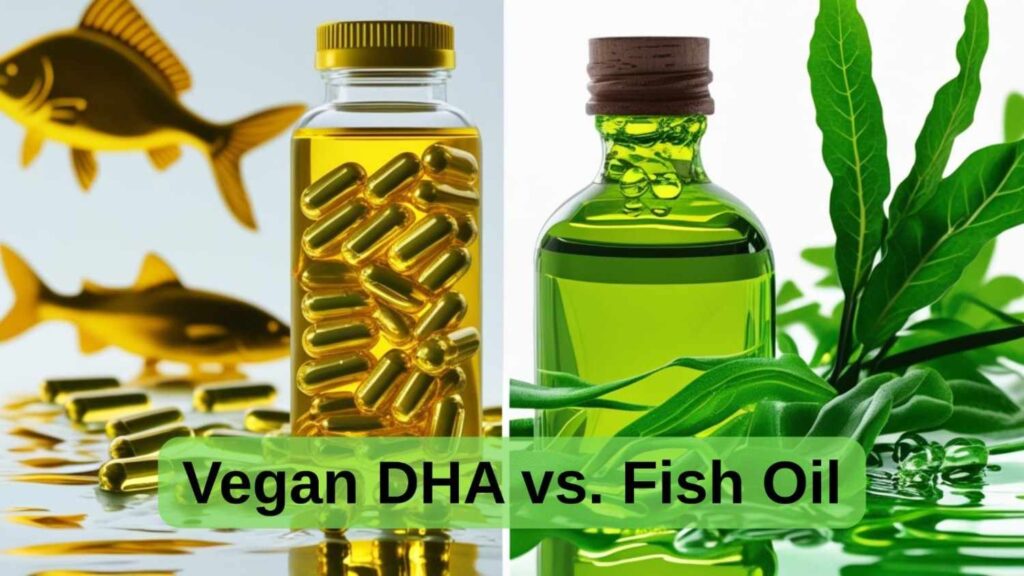
Vegan DHA vs Fish Oil During Pregnancy
Traditionally, DHA comes from fatty fish such as salmon, sardines, and mackerel.
However, many pregnant women avoid fish because of concerns such as:
- Mercury contamination
- Digestive issues
- Vegetarian or vegan dietary choices
Interestingly, fish do not produce DHA themselves.
They obtain DHA by eating microalgae in the ocean.
This is why algal oil supplements provide DHA directly from the original natural source.
Benefits of vegan DHA supplements include:
- Mercury-free DHA source
- Vegetarian friendly
- Environmentally sustainable
- Consistent dosage
Many vegetarian mothers prefer this option.
You can read more in our guide on Best Vegan Omega 3 Capsules in India.
Can You Get Enough DHA From Food Alone?
Many healthy foods contain omega-3 fatty acids.
However, most plant foods contain ALA (alpha-linolenic acid) instead of DHA.
Examples of ALA-rich foods include:
- Flaxseeds
- Chia seeds
- Walnuts
- Hemp seeds
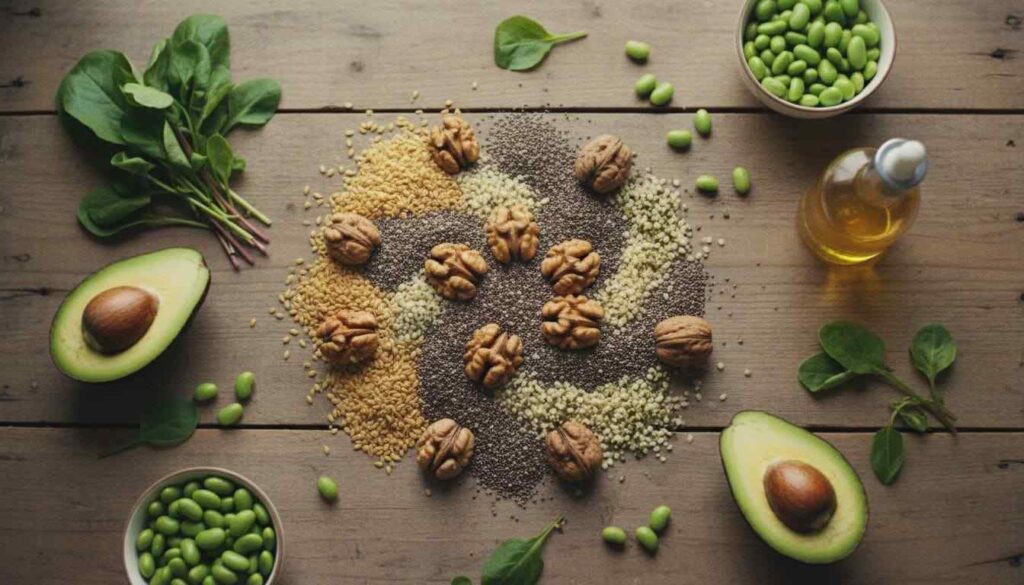
These foods support overall health, but the body must convert ALA into DHA.
Unfortunately, the conversion rate is very low.
Research suggests that only 5–10% of ALA converts into DHA in the human body.
Because of this limitation, diet alone may not provide enough DHA during pregnancy.
Another key reason experts point out how much DHA during pregnancy when discussing prenatal nutrition.
To learn more about plant DHA sources, see our guide on algal oil DHA for vegetarians.
Practical Tips for Getting DHA During Pregnancy
If you are vegetarian, these simple habits may help improve your omega-3 intake:
- Add flaxseeds or chia seeds to breakfast smoothies or oatmeal
- Eat a small handful of walnuts daily
- Consider algal oil DHA supplements if your diet lacks direct DHA sources
- Always consult your doctor or healthcare provider before taking any supplements.
Small daily nutrition choices can help ensure your baby receives the nutrients needed for healthy brain and eye development.
DHA Sources for Vegetarian Mothers
| Source | Type of Omega-3 | DHA Amount |
| Algal Oil Supplement | Direct DHA | 200–400 mg |
| Flaxseeds Chia Seeds | ALA ALA | converts poorly converts poorly |
| Walnuts | ALA | converts poorly |
If you want a convenient way to add DHA during pregnancy, many moms prefer high-quality vegan DHA capsules made from microalgae.
👉 Check latest price on Amazon
Signs You May Not Be Getting Enough DHA During Pregnancy
DHA deficiency during pregnancy is not always easy to detect. However, some common signs may indicate that your omega-3 intake is too low.
Pregnant women who do not consume fish or DHA supplements may have a higher risk of low DHA levels.
Some possible signs include:
- Frequent fatigue during pregnancy
- Difficulty concentrating or brain fog
- Dry skin or dry eyes
- Low omega-3 intake in daily diet
- Limited consumption of nuts and seeds
It is important to understand that these symptoms can also occur for other reasons during pregnancy.
However, if your diet lacks omega-3 rich foods, it may be worth reviewing your DHA intake.
ACOG suggests pregnant women consume DHA monitoring dietary sources and considering supplements if intake is low.
Understanding DHA intake during pregnancy helps ensure your baby gets the nutrients needed for healthy brain and eye development.
If you are unsure about your DHA intake, consulting a healthcare professional can help you determine the right nutritional approach.
DHA Supplements During Pregnancy
Because of the low conversion of plant omega-3 into DHA, many doctors recommend DHA supplements during pregnancy.
These supplements provide a reliable DHA dosage.
Most vegan DHA supplements are made from algal oil, which naturally contains DHA.
Benefits of DHA supplements include:
- Measured daily dosage
- Mercury-free source
- Easy for vegetarian mothers
- Supports baby brain development
This makes it easier for expecting mothers to maintain the recommended intake.
Doctors often advise supplements when discussing how much DHA during pregnancy with patients.
If you want help choosing a supplement, read our guide on best vegan DHA capsules for pregnancy.
The National Institutes of Health also highlights the role of omega-3 fatty acids in fetal development.
For expecting mothers who prefer a clean plant-based DHA source, you can check this popular algal oil omega-3 supplement available on Amazon.
👉 Check latest price on Amazon
Safety and Upper Limit
Many pregnant women worry about taking too much DHA.
Fortunately, moderate DHA intake is generally considered safe.
ACOG suggest the following safe range:
- 200–300 mg DHA daily for general pregnancy nutrition
- Up to 500 mg daily may also be safe in many cases
Very high doses are usually unnecessary unless recommended by a doctor.
Pregnant women should avoid exceeding 1000 mg per day without medical advice.
If you are unsure about dosage, consult your healthcare provider.
You can also explore our complete Vegan DHA pregnancy checklist guide for more detailed advice.
Frequently Asked Questions
How much DHA should a pregnant woman take daily?
Most experts recommend 200–300 mg DHA per day during pregnancy for proper brain and eye development.
Is 400 mg DHA safe during pregnancy?
Yes, many prenatal supplements contain 300–400 mg DHA. However, it’s always best to follow your doctor’s advice.
Can vegetarians get DHA during pregnancy?
Yes. Vegetarian mothers can take DHA supplements made from algal oil, which is the original plant-based source of DHA.
Is plant omega-3 enough during pregnancy?
Plant omega-3 mainly contains ALA. Since ALA converts poorly into DHA, supplements may help meet pregnancy DHA requirements.
Can DHA cause nausea?
Most people tolerate DHA supplements well. Taking supplements with food may help prevent mild stomach discomfort.
Is 200 mg DHA enough during pregnancy?
Yes. Most health experts recommend 200–300 mg DHA per day during pregnancy to support the baby’s brain and eye development.
Is 200 mg DHA enough during pregnancy?
Yes. Most health experts recommend 200–300 mg DHA per day during pregnancy to support the baby’s brain and eye development.
Can too much DHA harm pregnancy?
Moderate DHA intake is generally safe. However, extremely high doses (usually above 1000 mg per day) should only be taken if recommended by a doctor.
Is vegan DHA as effective as fish oil?
Yes. Vegan DHA made from algal oil provides the same DHA fatty acid found in fish oil, making it an effective plant-based alternative.
To make things easier, here are some well-rated vegan DHA supplements many plant-based moms choose during pregnancy.
👉 Check latest price on Amazon
Author Insight
Many readers of this blog come from vegetarian families who want safe pregnancy nutrition without relying on fish oil.
Because of this, plant-based DHA sources like algal oil have become a practical option for many expecting mothers.
Understanding how much dha during pregnancy helps families make informed nutrition decisions for both mother and baby.
Final Thoughts
DHA plays a crucial role in the healthy development of a baby’s brain and eyes.
Understanding how much DHA during pregnancy helps expecting mothers make better nutrition decisions.
For most women, maintaining a daily intake of 200–300 mg DHA is considered ideal.
Vegetarian mothers can easily meet this requirement using algal oil DHA supplements.
Consistent intake throughout pregnancy supports optimal fetal development and maternal health.
About the Author
Kamal is a plant-based nutrition blogger who focuses on omega-3 education for vegetarian families in India. His work covers DHA supplementation, vegan nutrition, and pregnancy nutrition awareness.
For more in-depth information, explore our related guides below to better understand vegan DHA, algal oil, and choosing the right supplement. Blog
Disclaimer: This article is for educational purposes only. Always consult your paediatrician before starting new supplements.
Disclaimer: This post contains affiliate links. If you buy through these links, I may earn a small commission at no extra cost to you. It helps me keep sharing useful content with you.

Pingback: Vegan DHA for Skin Glow, Acne & Pigmentation: Does It Work?