This blog was updated in 31st October 2026 to provide the latest information and research on Vegan Omega 3 for anxiety.
Vegan omega 3 for anxiety is something I never thought to look into until a friend called me in tears last year.
She had been vegan for three months. Clean eating, regular exercise, even meditation. And still her anxiety kept getting worse.
We talked for an hour, and one thing stood out. She had never checked her DHA. I suggested she try an algae DHA supplement, just to see.
Three weeks later she texted me: “Something shifted. My mind is finally quieter.”
Not fixed. Not magical. Just quieter.
That is when I started looking at this properly. Most vegans and vegetarians in India get very little direct DHA from food, and DHA is a big part of what your brain cells use to communicate. It will not replace therapy or medical care, but it is one nutritional gap worth closing.
This guide covers how vegan omega 3 may help with anxiety, how much to take, and the best time to take it.
What Exactly Happens in Anxiety?
Before understanding omega 3 for stress and mood balance, let’s quickly understand anxiety itself – in a human, practical way.
When you’re anxious:
- your brain inflames slightly
- stress hormones rise
- serotonin & dopamine drop
- the emotional centers overreact
- the logical part of the brain slows down
This is why anxiety feels like:
- racing thoughts
- chest tightness
- shaky focus
- feeling “not yourself”
- irritability
- sudden panic without a reason
Researchers now understand that low DHA levels and chronic inflammation are key factors.
And this is where Plant-based omega-3 for mood becomes crucial.
My Personal Experience with Vegan Omega-3 and Anxiety
I never connected my diet to my mood. Not once.
I was eating well – dal, sabzi, fruits, the works. But some days the mental fog was real. Low energy, scattered focus, that background anxiety that never fully goes away.
When I started researching DHA seriously, something clicked. Most vegans and vegetarians in India are running on near-zero DHA. And DHA is literally what your brain cells use to communicate with each other.
No wonder the mind feels noisy sometimes.
I am not saying omega-3 cured my anxiety. But after adding algal DHA consistently, the difference was noticeable. Calmer mornings. Better focus. Less of that restless mental chatter.
That is why I put this guide together because if you are dealing with stress or anxiety and following a plant-based diet, your DHA levels are worth checking before anything else.
How Omega-3 Helps Anxiety: Simple Science Explained
Your brain is about 60% fat, and DHA is one of the main fats in your brain cell membranes. Research suggests omega 3 may help with anxiety symptoms in some people, mostly in studies that used EPA and DHA together. The effect is usually modest, so think of it as support alongside good sleep, food, and professional care, not a replacement for them.
Here is how omega 3 may help:
Brain inflammation: Anxious brains often show low grade inflammation. DHA and EPA have anti-inflammatory effects, which may help calm things down.
Serotonin and dopamine: In some studies, low omega 3 levels are linked with lower serotonin activity. Omega 3 may support how these mood chemicals work.
Stress hormones: Some research suggests omega 3 may help your body handle stress better, including its cortisol response. The evidence here is still early.
Sleep: Better omega 3 status has been linked with better sleep in some studies, and better sleep usually means a calmer day.
Brain cell communication: DHA keeps cell membranes flexible, which helps brain cells communicate smoothly.
Several clinical studies have explored the connection between omega-3 fatty acids and mental health. For example, research published by the National Institutes of Health explains how omega-3 fats like DHA support brain function and emotional regulation.

What Research Says About Omega-3 and Anxiety
The research is not new. Scientists have been studying this connection for over a decade now.
DHA and EPA- the two key omega-3 fatty acids – directly affect how your brain cells communicate. They keep cell membranes flexible, help regulate mood-related neurotransmitters, and reduce inflammation in the brain.
That last point matters more than most people realize. Brain inflammation is increasingly being linked to anxiety and depression not just physical illness. And omega-3 is one of the few nutrients that actively fights it.
Studies have found that people with lower omega-3 levels tend to report higher anxiety and emotional stress. Not in every case. But consistently enough that it is hard to ignore.
For vegans and vegetarians, this is especially relevant. No fish, no direct DHA. Plant sources give ALA but conversion to DHA is minimal. The brain may be running low for years without any obvious signs.
DHA & Brain Health Connection
DHA is one of the most crucial building blocks of your brain, which is nearly 60% fat. It aids in:
- Communication between brain cells
- Function of neurotransmitters (dopamine, serotonin)
- Retention and focus
According to information published by Harvard Medical School, omega-3 fatty acids are considered essential for maintaining healthy brain structure and supporting cognitive and emotional wellbeing.
The best option for vegans is to take DHA brain health vegan supplements made from algae. Since fish only consume algae to obtain DHA, why not go directly to the source?
Including plant-based omega-3 mental health support is similar to providing your brain with the proper nutrition it requires to remain balanced and sharp.
Why Vegans Are More Likely to Have Low DHA
This part is important.
Plant-based foods like chia, flax, walnuts give ALA, not DHA.
Your body needs to convert ALA → DHA… but conversion is extremely low:
5–8% (men)
8–12% (women)
Also, modern vegan diets are usually high in omega-6 oils (sunflower, soybean, refined seed oils).
Too much omega 6 can compete with omega 3 in your body and reduce how well it works.
So even if you eat very healthy, your DHA may still be low – causing:
- mood swings
- irritability
- disturbed sleep
- brain fog
- tension headaches
- constant worry
- low motivation
This is why plant-based omega-3 for anxiety is getting so popular worldwide.
The Best Vegan Omega-3 Sources for Anxiety
Here’s the truth:
1. Algal Oil DHA – The BEST for Anxiety (Recommended)
This is the exact omega-3 fish get from algae.
Pure, vegan, clean, and high-absorption.
Why algal oil makes sense:
- Gives you DHA directly, no conversion needed
- Vegan and mercury free
- Suitable for most adults
For mood and anxiety, a formula with both EPA and DHA makes more sense than DHA alone, since most studies used the two together.
1. Rasayanam Plant Based Omega 3
EPA dominant formula (around 450mg EPA and 150mg DHA per serving). A good pick if you want stronger EPA along with DHA. FSSAI certified, plant based, no fishy burps.
2. Empire 1900 Vegan Omega 3
Balanced EPA and DHA from algal oil (around 250mg each). A simple starting point for most adults, and it fits the 250 to 500mg range comfortably.
3. Deva Vegan Omega 3
Internationally certified algal oil, third party tested, zero mercury. A good pick if you prefer a globally trusted brand and want DHA and EPA clearly labelled on the bottle.
Check Deva Vegan Omega 3 on Amazon
Disclaimer: This post contains affiliate links. If you buy through these links, I may earn a small commission at no extra cost to you. It helps me keep sharing useful content with you.
2. Chia Seeds / Flax Seeds
Healthy, but ALA only.
Good for general health, not enough for anxiety relief.
3. Walnuts, Hemp Seeds
Nutritious additions but not reliable for mood control.
Conclusion:
If you are using plant based omega 3 for mood support, algal oil is the most reliable vegan source because it gives you DHA directly, unlike flax or chia.
If you’re considering supplements instead of food sources, you can also explore our detailed guide on Top 3 Best Vegan DHA Supplements in India (2026 Guide) to compare some of the most trusted options available.

How to Choose a High-Quality Vegan Omega-3
Not all omega-3 supplements are the same. For vegans, algal oil is considered the most reliable source of DHA because it provides the same form of omega-3 found in marine foods.
When choosing a vegan omega-3 supplement, look for:
- Algal oil as the primary source of DHA
- At least 250–500 mg combined DHA/EPA
- Third-party quality testing
- Fresh, oxidation-protected capsules
This ensures you are getting an effective and stable source of omega-3 that can genuinely support brain and mental health.
How Much DHA Should You Take for Anxiety?
A common range for adults is 250 to 500mg of combined DHA and EPA daily, taken with food. Some studies on mood have used higher doses, but those were supervised by doctors, so do not go above this range on your own.
If you are pregnant, breastfeeding, a teenager, or on any regular medication, confirm the dose with your doctor first.
General nutrition guidelines shared by the World Health Organization suggest that regular omega-3 intake plays an important role in overall health, including brain and cardiovascular function.
Best Time to Take Vegan Omega 3 for Anxiety (The Core Answer)
There is no single universal answer – because anxiety is personal.
The best time to take vegan DHA for anxiety depends on how your anxiety shows up.
Let’s break it down honestly.
1. Taking Vegan Omega-3 in the Morning: When It Works Best
Morning supplementation is ideal if your anxiety looks like this:
- Daytime restlessness
- Brain fog after waking
- Work or performance anxiety
- Difficulty focusing or staying calm during the day
Why morning works:
- Supports neurotransmitters early in the day
- Helps stabilize mood and focus
- Reduces stress reactivity
How to take it:
- With breakfast
- With healthy fats (nuts, seeds, avocado)
- Same time every day
For many people, the best time to take vegan DHA is morning because it supports the brain before stress begins.

2. Taking Vegan Omega-3 at Night: When This Is Better
Night-time works better if your anxiety shows up as:
- Overthinking before sleep
- Racing thoughts at night
- Light sleep or frequent waking
- Anxiety that peaks after sunset
Why night works:
- Supports nervous system recovery
- Helps calm the mind
- Improves sleep depth over time
How to take it:
- With dinner
- Avoid empty stomach if digestion is sensitive

3. Morning vs Night: Quick Comparison
| Anxiety Type | Best Time |
| Daytime stress & focus issues | Morning |
| Night anxiety & poor sleep | Night |
| General anxiety | Morning (start here) |
| Mixed symptoms | Split dose or consistent morning |
Consistency matters more than perfection.
How to Take Vegan Omega-3 Correctly (Very Important)
Timing alone isn’t enough.
With Food or Empty Stomach?
Always with food. Omega-3 is fat-soluble.
How much?
250 to 500mg DHA+EPA daily, with food.
How Long Before Results?
Most people who notice a difference do so after 4 to 8 weeks. Sleep or focus often shift first. Mood changes are usually slower and subtle.
The best time to take vegan DHA for anxiety only works when consistency is respected.
How Long Does Vegan Omega-3 Take to Reduce Anxiety?
Omega 3 is not a quick fix, and the timeline is different for everyone.
Weeks 1 to 3: Usually nothing dramatic. Some people notice slightly better sleep.
Weeks 4 to 6: Focus and evenings may feel steadier.
Weeks 6 to 8: If it is going to help you, this is where mood and overthinking usually start to ease.
If you notice nothing after 8 weeks of daily use, it may not be the missing piece for you, and that is worth discussing with a doctor.
For a deeper breakdown of expected results, you can read our detailed timeline guide How Long Does Vegan DHA Take to Work? (A Week-by-Week Real Results Guide) explaining how DHA levels build in the body.

Lifestyle Tips That Boost Omega-3 Effects
If you want plant-based vegan DHA to work even better, combine it with:
Reduce seed oils (sunflower, soybean, refined)
They increase inflammation and block omega-3.
Add leafy greens daily
Magnesium + omega-3 = calmer nervous system.
Breathwork (2–5 minutes)
Oxygen + DHA = better emotional balance.
Reduce sugar & packaged junk
They spike inflammation which worsens anxiety.
Sleep 7+ hours
DHA repairs your brain during sleep.
Even 2 of these habits can make a noticeable difference.
“Anxiety doesn’t define you. Small nutrition upgrades can create big emotional changes. You’re doing good — keep going.”
Common Mistakes People Make (Especially in India)
1. Switching brands every week
2. Taking it randomly
3. Choosing low-DHA products
4. Expecting instant calm
5. Comparing fish oil results with vegan omega-3 unfairly
Healing is not instant. It’s cumulative.
Is Vegan Omega-3 Safe for Long-Term Mental Health?
For most healthy adults, yes. Algal omega 3 is non-addictive, generally gentle on digestion, and fine for daily long-term use at normal doses.
A few things worth knowing:
- Take it with food. It absorbs better and sits easier on the stomach.
- At higher doses, omega 3 can have a mild blood-thinning effect. If you take blood thinners or any regular medication, check with your doctor first.
- If you are pregnant, breastfeeding, or have a medical condition, confirm your dose with a doctor before starting.
Omega 3 is not a treatment for anxiety. If your anxiety is affecting your sleep, work, or daily life, please talk to a doctor or therapist. A supplement can support you, but it should not replace professional care.
FAQs
Q. Does vegan omega-3 help with anxiety?
Research suggests yes. DHA from algal oil supports brain cell communication and reduces inflammation- both linked to mood and anxiety levels. It is not a cure, but it is a solid foundation for brain health.
Q. How long before I notice a difference?
Most people who notice something do so within 4 to 8 weeks of daily use. The more consistent you are, the clearer the picture.
Q. Can I take it every day?
Yes – daily use is actually the point. DHA builds up in brain tissue over time. Skipping days slows the process.
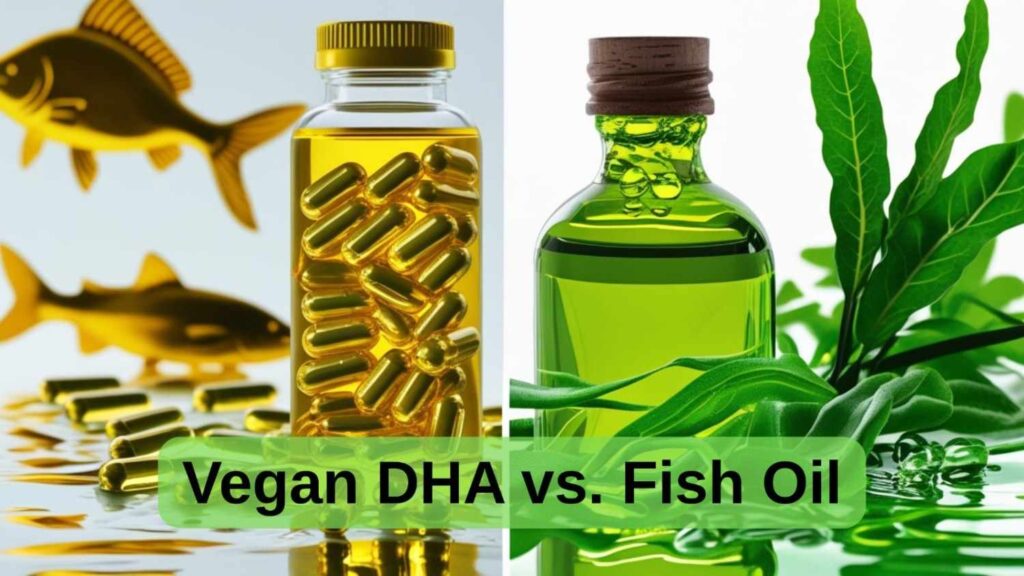
Q. Vegan omega-3 vs fish oil for anxiety — which is better?
Same DHA and EPA, different source. Vegan algal oil is mercury-free, cleaner, and cruelty-free. For most people the results are identical but without the ethical or contamination concerns.
Q. Can vegan DHA improve overall brain health?
Yes. DHA is a structural fat in brain cells- not just a supplement. Memory, focus, mood, neuron communication all depend on it. Regular intake supports all of these over time.
Q. Best time to take it?
With a meal; morning or night, your choice. Morning if you want daytime focus and calm. Night if sleep is the issue. Consistency matters more than timing.
Conclusion
Anxiety is not a weakness. It is not all in your head.
Your brain chemistry matters. Sleep matters. Inflammation matters. Nutrients matter.
I spent years thinking willpower and meditation would fix everything. They helped, but something was still missing. For me, that missing piece turned out to be DHA.
Vegan omega 3 for anxiety is not a miracle, and it will not replace therapy or medical care. But it is one simple gap you can close. One algal oil capsule daily, with food, nothing fancy. After about 6 weeks, my mind felt more like my own again.
If you are struggling right now, whether it is exam stress, work pressure, or just constant overthinking, give it a fair try. Add vegan DHA and stay consistent for 6 to 8 weeks. Do not expect miracles, but do watch for small changes.
And if the anxiety does not ease, or it is affecting your daily life, please talk to a doctor or therapist. Your nervous system deserves proper support, and nutrition is only one part of it.
About the Author
Kamal Mishra is a health content writer and wellness entrepreneur based in Surat, India. As a 54-year-old vegetarian, he researches vegan nutrition to help Indian families make smarter supplement choices.
Further Reading on VeganVitaa:
For more in-depth information, explore our related guides below to better understand vegan DHA, algal oil, and choosing the right supplement. Blog
- Vegan DHA vs Fish Oil During Pregnancy
- DHA Deficiency in India
- Best Vegan Omega 3 Capsules in India
- DHA for Brain Health in India
- Vegan DHA FAQS
Disclaimer: This article is for educational purposes only and is not medical advice. Please consult your doctor or a registered dietitian before starting any supplement, especially if you are pregnant, have a health condition, or are giving it to a child.

Pingback: Vegan DHA for Mental Health: Anxiety & Mood Support
Pingback: Best Time to Take Vegan Omega 3 for Anxiety
Pingback: How Much DHA During Pregnancy? Vegetarian Guide