
This blog was updated on 20th March 2026 to provide the latest information and researches on What is Algal Oil.
I spent years thinking fish oil was my only option.
Every supplement shelf pointed to fish. Every fitness trainer recommended it. Every health website said the same thing — fish oil, fish oil, fish oil.
But one day, I read something that made me stop and question everything.
“Fish don’t actually make DHA. They get it from eating algae.”
That one sentence opened a door. If fish get DHA from algae — why am I buying the middleman? Why not go directly to the source?
I started researching what is algal oil — and what I found shocked me.
It was cleaner. It was vegan. It was the original source. It was everything fish oil promised — but without the ocean pollution, without the fishing nets, without the guilt.
Six months into using algal oil instead of fish supplements, everything changed — my energy, my focus, my skin.
But more than that — I finally understood what I should have known years ago.
This guide answers the question that changed my life — what is algal oil, and why it’s the answer most people never knew they were looking for.
If you’re looking for trusted options, you can also explore our detailed guide on the best algal oil supplements available in India for pure vegan DHA support.
The First Real Answer
So, What is algae-derived DHA and how does it work?
Algal oil is Omega-3 that is extracted directly from algae and is the original source of DHA and EPA. Fish only contain Omega-3 because they eat ocean algae. This suggests that we have continuously exceeded expectations. We obtained Omega-3 from fish rather than the original source.
And that raises a simple question:
If the source is algae, why not go straight there?

According to information from National Institutes of Health, DHA is an essential omega-3 fatty acid that plays a key role in brain, eye, and nervous system health.
The Purity Question
As I learned more, another reality became apparent. The oceans have lost their purity.
The chain now includes fishing nets, microplastics, contamination, and toxins.
Therefore, fish oil offers more than just Omega-3. Sometimes it comes with the negative effects of the ocean.
That’s when I learned that algae oil is made in clean, controlled environments.
Not a net. The ocean is not contaminated. No harm was done to sea life.
Only algae → extract → omega-3.
So again, the thought returned:
What is this plant-based DHA source everyone is talking about?
It’s Omega-3 without the mess. Omega-3 without the ocean’s burden. Omega-3 without the guilt.
Research insights shared by Harvard T.H. Chan School of Public Health suggest that algae-based DHA offers a cleaner and more direct source of omega-3 compared to many traditional marine oils.
How Algal Oil Is Made (Simple Explanation)
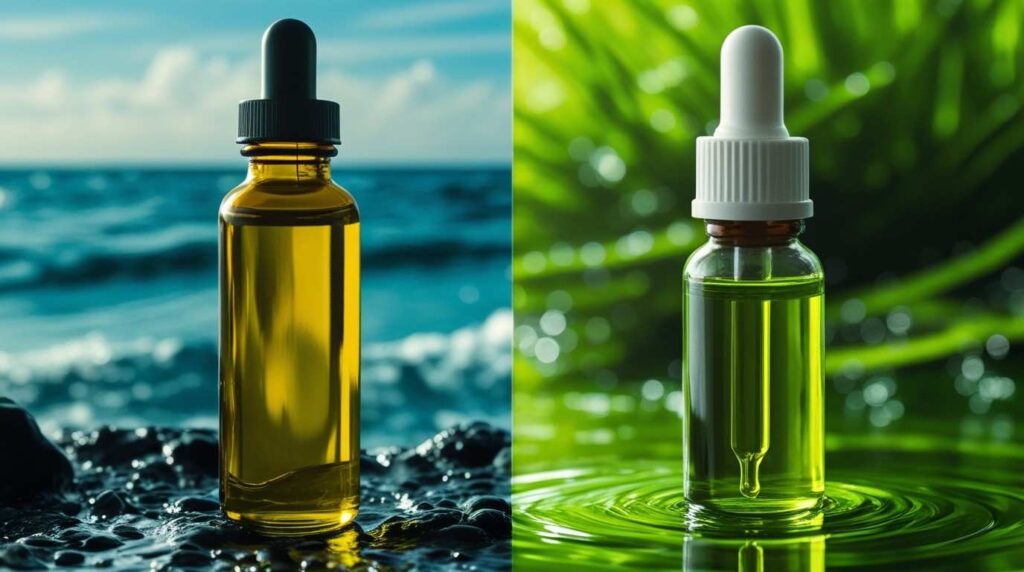
Algal oil is produced from marine microalgae grown in controlled environments. Unlike fish oil, it does not depend on ocean harvesting.
The process involves cultivating algae, extracting the oil, and refining it to maintain a high DHA content. This controlled method helps ensure purity, consistency, and better quality compared to many traditional omega-3 sources.
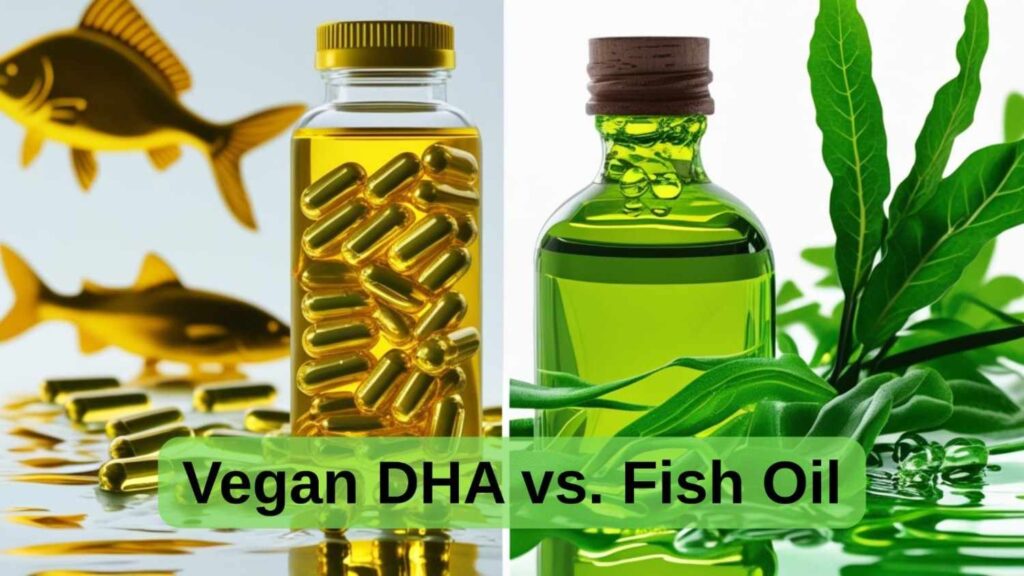
Fish Oil vs Algal Oil
| Aspect | Fish Oil | Algal Oil |
| Source | Fish eat algae | Direct from algae |
| Purity | Can contain contaminants | Clean environment cultivation |
| DHA Level | Good | Equal or higher |
| Ethics | Marine life involved | Cruelty-free |
| Smell/Burps | Common complaint | Minimal to none |
So, when someone asks today “what is algal oil?” I answer like this:
It’s Omega-3 before it touches the fish.
To understand how algal oil compares with plant-based sources, read our guide on algal oil DHA vs flaxseed omega-3.
This guide helped me understand not just the product, but the intention behind cleaner Omega-3.
Why DHA from Algal Oil Matters
DHA is the main fat that supports:
- Memory
- Focus
- mood health
- long-term brain function
So, when we ask, “What exactly is algae-based omega-3 oil?”, the answer is not merely a definition.
It’s something deeper:
It’s a cleaner way to fuel the brain.
A way to choose health without harming the world around us.
Guidance from the World Health Organization highlights the importance of omega-3 intake for overall health, including heart, brain, and cellular function.
Algal Oil vs Plant Sources (Quick Reality Check)
Many people rely on flaxseed, chia seeds, and walnuts for omega-3. While these are healthy, they mainly provide ALA.
The body converts only a small portion of ALA into DHA, which means you may still not get enough direct DHA from diet alone.
This is why algal oil is often considered a more direct and reliable source of DHA for vegans.
Who Can Benefit Most from Algal Oil?
- Students who have trouble focusing
- Office workers’ screen fatigue
- Vegans and vegetarians don’t get enough marine Omega-3.
- People who have experienced fish oil burps negatively
- Anyone searching for a more sanitary supplement source
Because algal oil is not a trend… it’s a return to the beginning.

If you want a clean and plant-based Omega-3 source, a high-quality algal oil DHA supplement is a great option:
👉 Check latest price on Amazon
Common Mistakes When Choosing Algal Oil
Not all omega-3 supplements are the same, and many people make simple mistakes while choosing one.
- Ignoring the actual DHA amount per serving
- Not checking whether it is truly algae-based
- Overlooking capsule ingredients and additives
- Choosing based only on price instead of quality
Being aware of these points can help you select a more effective and reliable DHA supplement.
If you are unsure how to evaluate supplement labels, check our article on how to read omega-3 labels and understand DHA content clearly.
How to Choose a Good Algal Oil Supplement
Choosing the right algal oil supplement doesn’t have to be confusing, but a few simple checks can make a big difference.
First, always look at the actual DHA amount per serving, not just the total oil quantity. A good supplement usually provides a clear and transparent DHA value.
Second, check the source of the oil. It should clearly mention algae-based DHA, not a mixed or unclear omega-3 blend.
Third, pay attention to capsule quality and ingredients. Clean labels with fewer additives are generally a better choice.
Finally, look for basic quality assurance signals such as third-party testing or clear manufacturing details.
Taking a minute to read these details can help you choose a supplement that is not only effective but also safe for long-term use.
VeganVitaa Blog for more detailed information:
During my research, I also discovered comparison-based information about Omega-3 and vegan supplements. Naturally, if you want to compare brands before making a purchase, you should read these blogs:
If you’re comparing options, explore our guide on the 5 best vegan omega-3 capsules in India (2026 buying guide) to find reliable choices.
For a complete overview of plant-based omega-3 sources and supplements, check out our guide on vegan omega-3 for vegetarians covering DHA, EPA, and ALA sources.
The Shift
There comes a point where the question is no longer what is algal oil?
The real question becomes…
Why not choose the source that doesn’t hurt anyone?
No fish.
No nets.
No guilt.
Just nutrition.
For some people, that’s enough. For others, it’s the beginning.
FAQ
1. What is algal oil?
Algal oil is Omega-3 (DHA/EPA) extracted directly from algae, not fish.
2. Is algae oil better than fish oil?
It is, in fact, clean, vegan, ocean-friendly, and free of marine pollution.
3. Does algal oil contain DHA?
Algal oil is a rich natural source of DHA and can match or even exceed fish oil levels.
4. Who should drink algae oil?
Anyone searching for a clean Omega-3 option, including vegans, vegetarians, professionals, and students.
5. Does algal oil have a fishy burp or smell?
Algal oil does not smell or burp like fish because it comes from algae rather than fish.
6. Can vegans rely only on algal oil for omega-3?
Yes, algal oil provides DHA directly, but a balanced diet with ALA sources is still helpful.
7. How much algal oil should I take daily?
Most people benefit from 200–300 mg of DHA daily, depending on their needs and lifestyle.
8. Are there any side effects of algal oil?
Algal oil is usually well tolerated, but some people may experience mild digestive discomfort.
Final Answer
So, in one clean line:
What is algal oil?
It is Omega-3 taken directly from algae – the original source – making it purer, vegan, ocean-friendly, and cleaner than fish oil.
For those looking for trusted options, explore our guide on the best algal oil available in India for vegan DHA.
“Sometimes a better supplement isn’t the one that promises more… it’s the one that takes less from the world.“
Disclaimer: This article is for educational purposes only. Always consult your paediatrician before starting new supplements.
Disclaimer: This post contains affiliate links. If you buy through these links, I may earn a small commission at no extra cost to you. It helps me keep sharing useful content with you.

Pingback: Best Algal Oil in India: Choose Clean, Choose Kind
Pingback: Fish Oil vs Algal Oil: Which Omega-3 Truly Cares?
Pingback: Why Algal Oil Is the Best Vegan DHA Source (Complete Guide)
Pingback: Vegan Omega 3 for Period Pain in India — Evidence