
This blog was updated on 17th August 2026 to provide the latest information and researches on 5 Subtle Signs You’re Not Getting Enough Omega 3.
If you’re not getting enough omega-3 as a vegan, the signs rarely announce themselves clearly.
You eat well. Chia seeds in the morning, walnuts as a snack, tofu at lunch. No junk food. No processed meals. By every standard you know, your diet is clean.
And yet — by mid-afternoon you’re tired. Your mind feels foggy. Your mood dips for no clear reason. Your joints feel stiffer than they should for your age.
As a vegetarian for 15 years, I know this feeling personally. I assumed my plant-based diet covered everything. It didn’t — and DHA was the gap I didn’t even know existed.
Most vegans eating healthy plant foods are still missing direct DHA. The body converts very little ALA from flaxseeds and walnuts into usable DHA. And the signs of this gap are subtle enough that most people never connect them to nutrition.
This guide covers the 5 most common signs — and what actually helps.
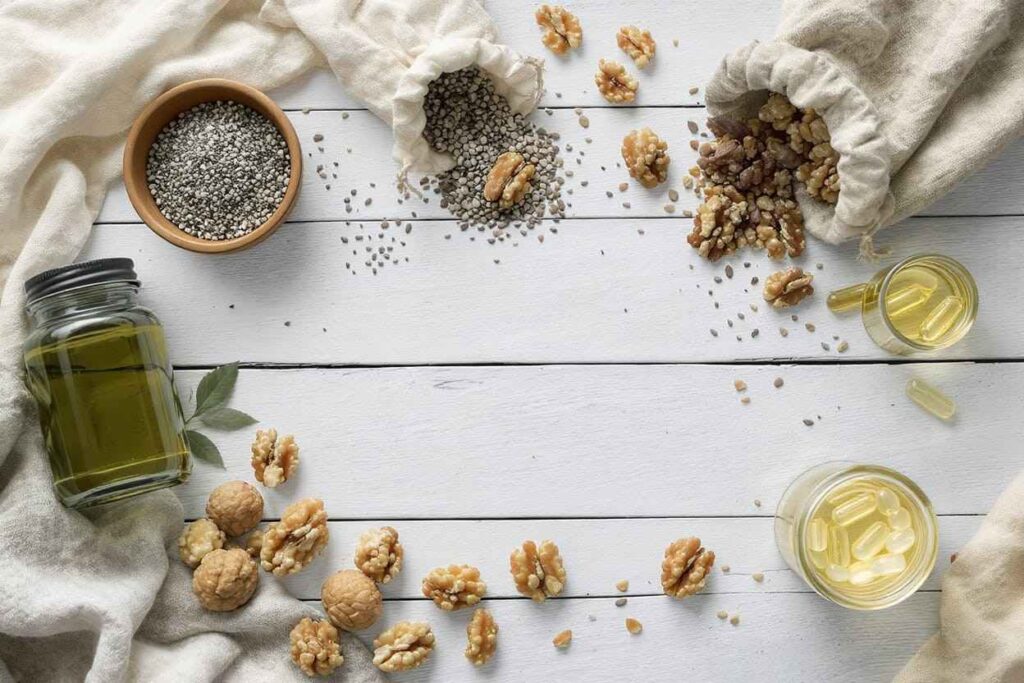
If you want a deeper look at early warning signs, read our guide on omega-3 and DHA deficiency symptoms in vegans.
1. Constant Fatigue and Low Energy
Waking up tired after a full night’s sleep is one of the most common complaints I hear from Indian vegetarians — and one of the last things they connect to nutrition.
Omega-3 fatty acids, particularly DHA, play a direct role in how efficiently your cells produce energy. When DHA is consistently low, mitochondria — the energy centers of your cells — don’t function at their best. The result is that familiar mid-afternoon heaviness that no amount of chai seems to fix.
For vegans eating flaxseeds and walnuts daily, the problem isn’t effort — it’s conversion. ALA from plant foods converts poorly into DHA. Your cells may still be running low even when your diet looks perfect on paper.
Adding ground flaxseeds and walnuts daily helps — but for consistent DHA support, an algal oil supplement is the most reliable option for vegans.
2. Dry Skin, Dull Hair, and Brittle Nails
The largest organ in your body, your skin requires omega-3 fatty acids to remain hydrated and in good health. A deficiency in omega-3 can lead to dry skin, lifeless hair, and more easily broken nails.
If you’ve noticed these changes, even with a balanced vegan diet, it could be another subtle sign that your diet may not be providing sufficient omega-3 nutrients.
A vegan-friendly solution is to include walnuts, flaxseeds, and chia seeds in your regular meals. A premium vegan DHA supplement is another option.
If you’ve noticed these changes, even with a balanced vegan diet, it could be another subtle sign that you’re not getting enough omega 3.
Vegan-friendly solutions:
- Add ground flaxseed to your morning oatmeal
- Snack on walnuts or pumpkin seeds
- Consider vegan algae-based omega-3 supplements
I remember a friend of mine who struggled with brittle nails for months. Once she started incorporating daily chia pudding with a vegan DHA supplement, her nails and hair slowly regained their shine over 6–8 weeks.
3. Mood Swings, Anxiety, or Mild Depression.
DHA is a structural component of brain cell membranes — it directly affects how neurotransmitters function. When DHA is consistently low, the brain’s ability to regulate mood becomes less stable. This shows up as irritability, mild anxiety, or emotional flatness that doesn’t have an obvious cause.
For vegans, this is particularly easy to miss. You’re eating well — flax, chia, walnuts. But ALA converts poorly into DHA, and your brain chemistry depends on the direct form.
I noticed this in myself before I understood the DHA gap. My diet was clean. But my mood felt harder to manage than it should have — small frustrations felt bigger, and motivation came and went without reason. Adding algal DHA was one of the quietest but most noticeable changes I made.
If you’re eating well but still feeling emotionally off — it’s worth looking at your DHA intake before assuming it’s just stress.
Tips to Boost Omega-3 for Vegans:
- Eat 1–2 tablespoons of ground flaxseed daily
- Snack on walnuts or hemp seeds
- Supplement with vegan DHA capsules
Some vegans also choose algal oil omega-3 capsules as an easy way to support their daily DHA intake.

To understand the recommended daily intake, read our guide on how much omega-3 you really need each day for optimal health.
ALA vs DHA – Why It Matters
| Omega-3 Type | Main Sources | Key Benefit |
| ALA | Flaxseed, chia seeds, walnuts | Basic omega-3 support |
| EPA | Fish oil, algal oil | Heart and inflammation support |
| DHA | Algal oil | Brain, eyes, and nervous system health |
While ALA foods are healthy, many experts suggest that vegans may benefit from getting direct DHA from algae sources for better omega-3 balance.
To understand the difference between plant sources and direct DHA, read Vegan Omega 3 Guide for Vegetarians — DHA, EPA & ALA.
4. Poor Focus and Memory
Do you occasionally struggle to focus or forget basic tasks? Omega-3 fatty acids are essential for brain function. Specifically, DHA promotes learning, memory, and focus.
Vegans who only consume ALA from plants might still not be getting enough DHA in their bodies. This subtle deficiency can manifest as brain fog, forgetfulness, and reduced focus – a hidden omega-3 deficiency that shows subtle signs over time.
Practical Tips:
- Include omega-3 rich seeds and nuts in breakfast
- Add a daily vegan DHA supplement
- Consider fortified plant-based foods like algae-based milk
5. Joint Stiffness or Inflammation
Omega-3 fatty acids are natural anti-inflammatory agents. Most Indian cooking uses refined oils high in omega-6 — sunflower, soybean, safflower — and without enough omega-3 to balance them, inflammation quietly builds up in the joints.
This shows up as morning stiffness, mild soreness after activity, or joints that take longer to warm up than they used to. It’s easy to blame age or posture — but often, the omega-3 to omega-6 ratio is the real issue.
I’ve noticed this pattern in vegetarian families in Surat who cook with refined oils daily. Switching to less processed oils and adding a daily algal DHA supplement made a noticeable difference for several people I know — not overnight, but steadily over 6-8 weeks.
Reducing sunflower or soybean oil intake and adding chia, flax, and walnuts daily helps. But for consistent anti-inflammatory support, direct DHA from algal oil works more reliably than plant sources alone.
Tips to Reduce Inflammation:
- Add chia, flax, and walnuts
- Reduce sunflower or soybean oil intake
Why Omega-3 Deficiency Is Common in Vegans
Many vegans eat healthy foods like flaxseed, chia seeds, and walnuts, but they may still struggle to get enough direct DHA and EPA.
The reason is simple: most plant foods contain ALA omega-3, which the body must convert into DHA and EPA. Unfortunately, this conversion process is often limited.
Because of this, some people may experience subtle symptoms such as low energy, dry skin, or poor focus even when they follow a balanced vegan diet.
Understanding this difference can help vegans make smarter nutrition choices and avoid long-term omega-3 gaps.
How to Fix It Naturally
The fix is simpler than most people expect — and it doesn’t require changing your entire diet.
Start with plant foods. Ground flaxseed in your morning oatmeal, walnuts as a snack, chia seeds in water or smoothies. These provide ALA omega-3 and support overall health. Make them a daily habit, not an occasional addition.
Second — look at your cooking oils. Most Indian households use sunflower or soybean oil daily. Both are high in omega-6, which competes directly with omega-3 in the body. Switching to cold-pressed mustard oil or using less refined oil overall makes a meaningful difference.
Third — and most important for vegans — consider an algal oil supplement. Plant foods give you ALA, not DHA. For brain, eye, and joint health specifically, your body needs direct DHA that it doesn’t have to convert. Algal oil is the cleanest, most reliable way to get it — plant-based, sustainable, and free from ocean contaminants.
I started with 300mg daily, taken with lunch. Within 6-8 weeks the difference in mental clarity and energy was noticeable. Not dramatic — just consistent and real.
For readers looking for reliable options, explore our guide on the best vegan omega-3 capsules in India.
Simple Daily Habits to Improve Omega-3 Intake
Small daily habits can help improve omega-3 balance naturally:
- Add ground flaxseed or chia seeds to smoothies
- Include walnuts or hemp seeds in snacks
Consistency over time is often more important than occasional high intake.
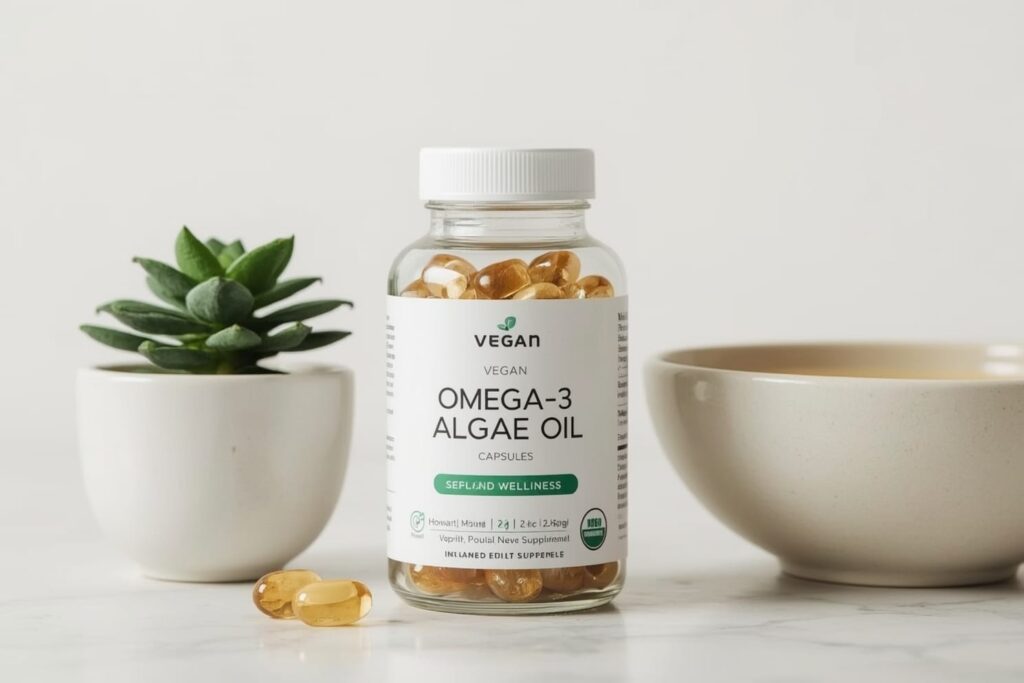
What Research Says About Omega-3 Deficiency
Scientific research has shown that omega-3 fatty acids play an important role in brain health, inflammation balance, and cellular function.
Nutrition guidance from Harvard T.H. Chan School of Public Health highlights the importance of adequate omega-3 intake for heart and brain health.
Similarly, information provided by National Institutes of Health explains that DHA supports brain and nervous system development.
FAQs
1. How do I know if my body is lacking enough omega-3 fatty acids?
Ans: You might experience symptoms like dry skin, exhaustion, mental fog, difficulty focusing, or even mood swings if you’re not getting enough omega 3. Because their diet frequently lacks DHA and EPA, the essential forms of omega-3 found in fish or algae, many vegans suffer from these mild symptoms.
2. Can I fix omega 3 deficiency naturally as a vegan?
Ans: You certainly can! Start by including chia seeds, flaxseeds, walnuts, and hemp seeds in your regular meals if you believe you’re not getting enough omega 3. A vegan algae-based omega-3 supplement, on the other hand, is the best option for full DHA and EPA support because it provides your body with the same nutrients that fish obtain from algae without involving any cruelty.
3. What happens if you’re not getting enough omega 3 for a long time?
Ans: Going months or years not getting enough omega 3 can lead to chronic inflammation, poor brain performance, weaker vision, and even mood imbalance. Omega-3 fats are vital for every cell in your body – especially your heart, eyes, and brain – so keeping your levels balanced is crucial for long-term health.
Final Thoughts: Listen to Your Body
Your body rarely sends dramatic signals when something is missing. It sends quiet ones — fatigue that sleep doesn’t fix, skin that feels drier than it should, focus that slips by afternoon, joints that take longer to ease up in the morning.
If you’re not getting enough omega-3 as a vegan, these are the signs. And the fix is genuinely simple.
Eat the plant foods. Add the flaxseeds, walnuts, and chia. Reduce the refined oils. And if you want consistent DHA support for your brain and eyes — add an algal oil supplement. 300mg daily, with a meal.
I’ve been vegetarian for 15 years. This one addition made a quiet but real difference. Not overnight — but steadily, over weeks.
Your vegan diet is not the problem. It just has one small gap. Now you know how to close it.
About the Author
Kamal Mishra is a health & nutrition writer and vegan wellness advocate. He is the founder of VeganVitaa – India’s trusted vegan DHA resource for plant-based families.
Further Reading on VeganVitaa:
For more in-depth information, explore our related guides below to better understand vegan DHA, algal oil, and choosing the right supplement. Blog
Disclaimer: This article is for educational purposes only. Always consult your paediatrician before starting new supplements.

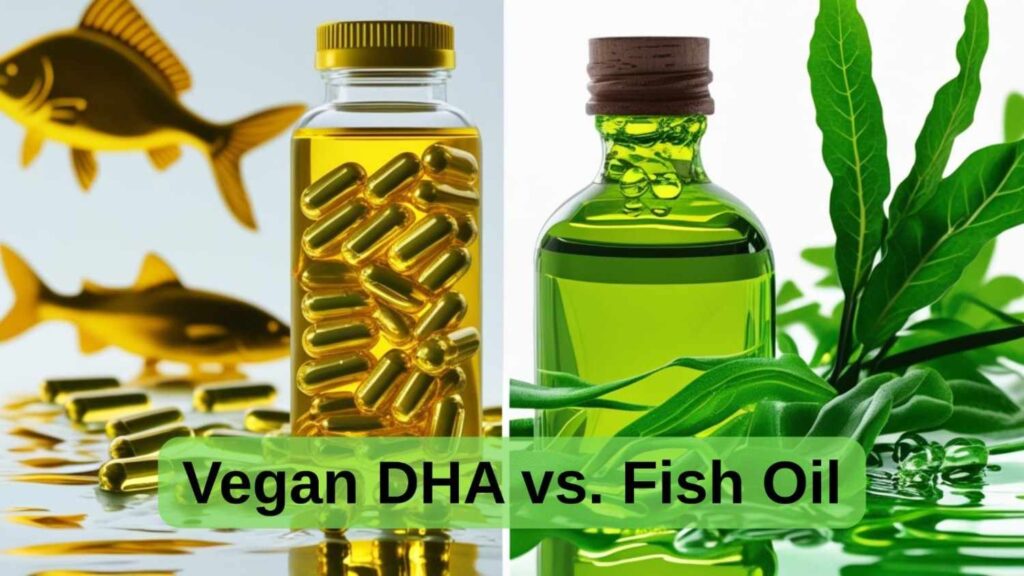
Pingback: Vegan Omega 3 for Anxiety: Natural Mood Support