Introduction
In India, food has a strong cultural, traditional, and health-related connection. Many Indians eat vegetarian or balanced diets, steer clear of junk food, and prepare their own meals. However, issues like low energy, mood swings, eye strain, poor memory, and poor concentration are becoming more prevalent. These problems are frequently attributed to stress, aging, or lifestyle choices, but one significant nutritional factor is typically overlooked.
That reason is DHA deficiency in India.
DHA is a necessary omega-3 fatty acid for the nervous system, brain, and eyes. Even people who regularly eat “healthy” foods may not be getting enough DHA because most Indian diets lack it. This article explains what DHA is, why its deficiency is so common in India, and who is most at risk.
It highlights the early symptoms people often ignore.
It also shares safe and natural ways to improve DHA levels.
This article is based on personal learning combined with independent study of nutrition science and Indian dietary patterns.
A Personal Wake-Up Call: Why I Started Questioning My “Healthy” Diet
I thought I was doing everything right for years. My meals were simple, home-cooked, and traditional – dal, vegetables, roti, and very little outside food. Like most Indians, I assumed this was enough to stay healthy. But slowly, my body started telling a different story. Constant tiredness, low mental clarity, and a feeling of weakness became part of daily life.
The doctors found nothing alarming. Friends and family said it was normal considering age and stress. I ignored the signs, just like millions of Indians. However, I had a gut feeling that something was missing. A seemingly healthy diet did not account for my lack of energy or focus.
My perspective changed when I began studying the role of essential fats in brain health. That’s when I realized how widespread DHA deficiency is in India, even among people who eat “clean” food. I realized that nutrition is more than just avoiding junk food- it’s about meeting the body’s actual biological needs.
This realization became the foundation of my work today. This blog is not written from theory or trends, but from lived experience – to help others recognize what I learned the hard way.
What is DHA? (Simple explanation)
DHA stands for docosahexaenoic acid. This long-chain omega-3 fatty acid is one of the most important fats in the human body. DHA is an important structural component of the brain and retina. DHA is essential for memory, learning, and thought because it makes up almost one-third of the fat in the brain.
DHA supports:
- Brain development and mental clarity
- Memory, focus, and learning ability
- Eye health and vision
- Nervous system communication
- Heart rhythm and inflammation balance
The body cannot produce enough DHA by itself. It can convert a small amount from plant-based omega-3 (ALA), but this conversion is very inefficient for most people. Because of this biological limitation, regular dietary intake is important. When DHA intake is low for long periods, imbalance develops, which contributes to DHA deficiency in India.
Research published by the World Health Organization also emphasizes the importance of essential fatty acids like omega-3s for overall health and development.
Indian diet: a reality check
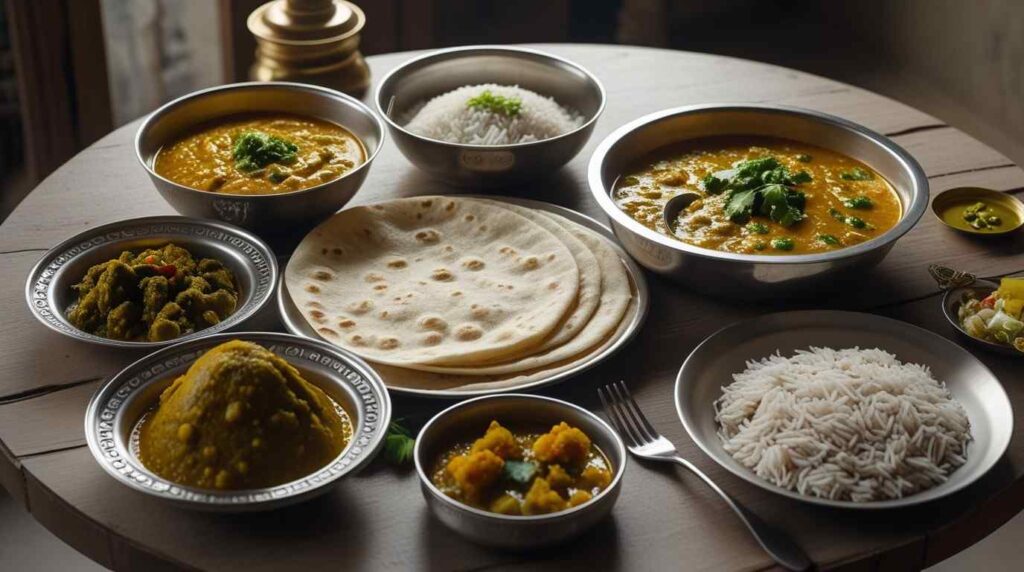
The Indian diet is rich in carbohydrates, fibre, and plant nutrients, but it has one major nutritional gap: lack of direct DHA sources. Most daily meals are built around grains, lentils, vegetables, and dairy products.
Common Indian foods such as:
- Rice, roti, wheat, millets
- Dal, chana, rajma, beans
- Vegetables and fruits
- Milk, curd, paneer
are healthy but contain no DHA. Even families that cook fresh food daily and avoid junk food may still develop low DHA levels over time.
Most people who consume fish, which is a natural source of DHA, do so in coastal regions. In some inland states and vegetarian homes, fish is either completely avoided or consumed in moderation. DHA shortage is common in India, especially among health-conscious people, which can be explained by this trend.
In my experience, most Indians focus on protein and vitamins but rarely think about brain-supporting fats like DHA.
We’ve broken this down further in our guide on why Indian diets lack DHA, even when they seem healthy on the surface.
Cooking oils, frying, and oxidation effects
Cooking techniques also have a big impact on the health of fatty acids. Many Indian homes use refined vegetable oils to cook food at high temperatures. Long cooking times, frequent oil reheating, and deep-frying all damage delicate fats.
Omega-3 fats are significantly impacted by heat and oxidation. When oils are overheated or used frequently, beneficial fats deteriorate and lose their nutritional value. Packaged snacks, baked goods, and street food all boost omega-6 intake without providing DHA or omega-3.
This omega-6 and omega-3 imbalance increases inflammation in the body. It also worsens DHA deficiency in India.
This happens even when small amounts of omega-3 are present.
Vegetarian and vegan DHA gap
One of the world’s largest vegetarian populations is found in India. Vegetarian and vegan diets offer many benefits, but they naturally lack DHA.
Plant foods such as:
- Flaxseeds
- Chia seeds
- Walnuts
- Mustard seeds
contain ALA (alpha-linolenic acid), not DHA. The body converts only 1–5% of ALA into DHA, and this rate is often even lower due to stress, aging, genetics, or high omega-6 intake.
Because of this limitation, vegetarians and vegans in India are at higher risk of DHA deficiency.
They need to intentionally consume DHA-fortified foods or algae-based DHA to meet their needs.
If you follow a plant-based diet, you should also read our detailed guide on DHA deficiency in Indian vegetarians and vegans, where we explain causes, risks, and practical solutions.
Kids, adults, and seniors: different DHA needs
Infants and children
DHA is essential for brain growth, learning ability, focus, and vision development. Low DHA intake during early years may affect attention span and cognitive performance.
For parents, we’ve covered this in depth in our article on DHA deficiency in children in India, including early signs and brain health impact.
Pregnant and breastfeeding women
During pregnancy, DHA supports fatal brain and eye development. Low maternal DHA levels can affect both mother and child, contributing to long-term nutritional gaps.
Adults
Adults need DHA for memory, emotional balance, stress handling, and heart health. Modern lifestyles increase DHA requirements due to mental load and inflammation.
Seniors
In older adults, DHA supports brain function and may help slow age-related cognitive decline.
Ignoring life-stage-specific needs allows DHA deficiency in India to continue from one generation to the next.
DHA Deficiency During Pregnancy and Breastfeeding in India
Pregnancy and breastfeeding are critical phases where a mother’s nutrition directly affects the baby’s growth, especially brain and eye development. DHA plays a vital role during this period, yet DHA deficiency in Indian mothers is very common. This happens mainly because traditional Indian diets rarely focus on DHA-rich sources.
During pregnancy, the developing foetus absorbs DHA from the mother’s body. If the mother is deficient, her own DHA levels may further drop, which could cause extreme fatigue, depression, and weakness after giving birth. These symptoms are typical of women who think they’re “normal after pregnancy.”
Because the amount of DHA in breast milk is mostly determined by the mother’s diet, nursing mothers must also eat enough of it. Low DHA intake may affect a baby’s early brain and eye development by lowering the amount transferred to the baby.
DHA intake may be further restricted in India due to cultural dietary restrictions during pregnancy and the postpartum period. There is still much to learn about this problem, and calcium and iron continue to receive most of the attention. Mothers need to be informed about the benefits of balanced fats, such as DHA, for both their own and their children’s health.

Symptoms people often ignore
Most of the time, acute illness is not caused by a DHA deficiency. Instead, it causes small problems that people usually ignore or accept:
- Brain fog and poor concentration
- Weak memory or slow thinking
- Mood swings or low motivation
- Dry eyes and eye strain
- Learning difficulties in children
- Joint stiffness and inflammation
These symptoms are often blamed on age, work pressure, or screen time, allowing DHA deficiency in India to remain undiagnosed for years.
I personally ignored early signs like mental fatigue and low focus because they felt “normal” in everyday life.
Many of these signs are often missed-so understanding early DHA deficiency symptoms becomes important.
Food myths in India
Myth 1: Vegetarian food provides all nutrients
Vegetarian diets are healthy, but unless they include fortified foods or supplements, they usually don’t contain DHA.
Myth 2: Mustard oil is enough for omega-3
Mustard oil contains ALA, not DHA.
Myth 3: Milk and paneer contain healthy fats
Dairy does not naturally provide DHA unless fortified.
Myth 4: Fish is unsafe or unnecessary
When chosen and cooked properly, fish is a natural DHA source. Avoiding it completely increases the risk of DHA deficiency in India.
Lifestyle reasons behind low DHA
Modern lifestyle factors increase DHA requirements:
- Chronic mental stress
- Poor sleep quality
- High pollution exposure
- Smoking and alcohol use
- Heavy reliance on processed foods
These factors increase inflammation and oxidative stress, making DHA even more important for balance and healing. When there is insufficient intake, DHA deficiency in India deteriorates over time.

DHA Deficiency and Mental Health in Indians (An Ignored Connection)
In India, mental health problems like anxiety, difficulty focusing, mood swings, and early depression are becoming more common. However, a hidden factor that is rarely discussed is DHA deficiency and its possible effects on brain health. DHA is essential for cell-to-cell communication and is a major structural fat in the brain.
When DHA levels are low, the brain might not function at its peak. Many people experience symptoms like lack of focus, mental tiredness, irritability, and poor memory, but they never associate them with diet. In Indian households, these indicators are often ignored or blamed on stress, workload, or mobile usage.
Students, working professionals, and even homemakers face constant mental pressure, irregular sleep, and poor dietary balance. Since most Indian diets are low in DHA-rich foods, the brain may not receive enough support to handle daily stress effectively. This does not mean DHA alone can solve mental health issues, but adequate nutrition is an important foundation.
By understanding the link between DHA and mental health, Indians can focus on long-term brain health through better dietary awareness and lifestyle choices.
Improving DHA levels can support brain function and mood-here’s a practical guide on vegan omega-3 sources, DHA, EPA, and ALA to help you choose the right approach.
According to the National Institutes of Health (NIH), omega-3 fatty acids play an important role in brain and heart health.
How to improve DHA naturally
Improving DHA does not require extreme changes. Small, consistent steps can make a big difference:
- Eat fatty fish if non-vegetarian (sardines, mackerel, anchovies).
- Avoid deep frying and repeated oil heating.
- Choose DHA-fortified eggs or milk when available.
- Use algae-based DHA for vegetarians and vegans.
- Add flaxseed or chia for overall omega balance.
- Improve sleep and manage stress.
These steps help reduce long-term imbalance linked to DHA deficiency in India.
Food vs supplementation (neutral view)
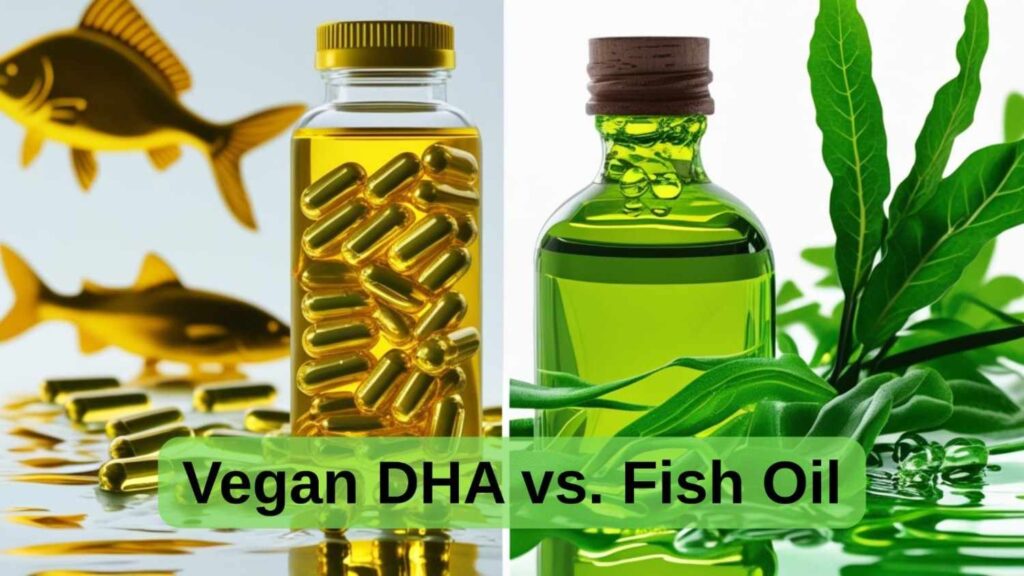
Food should always be the first choice. However, due to limited dietary DHA sources in Indian diets, supplementation is often practical.
Common options include:
- Fish oil supplements (non-vegetarian)
- Algae oil supplements (vegetarian/vegan)
Quality, purity testing, and medical guidance are important. Supplementation should support diet, not replace it.
Common mistakes people make
- Relying only on flaxseed for DHA
- Ignoring DHA during pregnancy
- Choosing low-quality supplements
- Overcooking omega-rich foods
Avoiding these mistakes can significantly reduce DHA deficiency in India over time.
The purpose of this section is awareness and education, not medical advice or product recommendation.
If you’re confused between plant sources like flaxseed and direct DHA options, this science-based comparison can help you make the right choice.
👉 Algal Oil DHA vs Flaxseed Omega 3: Which Is Better? Science-Based Comparison 2025
FAQs
Q1: Is DHA deficiency common in India?
Yes, it is widespread due to dietary patterns and lifestyle factors.
Q2: Can vegetarians meet DHA needs naturally?
Only through algae-based DHA or fortified foods.
Q3: Is DHA safe for long-term use?
Yes, when taken within recommended limits.
Q4: Can children take DHA?
Yes, age-specific DHA supplements are available.
Q5: How long does it take to improve DHA levels?
Usually 8–12 weeks with consistent intake.
Final thoughts
The silent nutritional gap brought on by DHA deficiency in India cannot be addressed by healthy eating alone. Awareness, thoughtful food selection, proper cooking techniques, and safe supplementation when needed can close this gap.
Understanding this issue early helps protect brain health, vision, and overall wellness at every stage of life.
This article is written to help people notice nutritional gaps that are often ignored in everyday Indian diets.
For more in-depth information, explore our related guides below to better understand vegan DHA, algal oil, and choosing the right supplement. Blog
If you’re expecting and want a safe, plant-based DHA source for your baby’s brain development, explore our “Vegan DHA vs Fish oil during Pregnancy (2026 Guide)” to choose the right supplement.
If you’re following a plant-based diet and looking for a reliable DHA source, check out our guide on the “5 Best Vegan Omega 3 Capsules in India (2026 Buying Guide)” for the top options available.
If you want a clean, plant-based source of DHA without relying on fish oil, explore our “Best Algal Oil India 2025–2026: Honest Vegan DHA Buying Guide” to find the most effective and trustworthy options.
Disclaimer: This article is for educational purposes only. Always consult your paediatrician before starting new supplements.
Pingback: DHA Deficiency Symptoms: 7 Hidden Signs You Must Know
Pingback: 5 Subtle Signs You’re Not Getting Enough Omega 3
Pingback: Omega 3 Deficiency Symptoms in Vegans: Identify and Fix Them
Pingback: Vegan DHA Results After 30 Days: Energy & Focus Case Study
Pingback: DHA Deficiency in Children in India: Symptoms & Brain Impact
Pingback: Cheap Vegan DHA sources in India budget hacks that works
Pingback: Why Indian Diets Lack DHA (Even When You Eat Healthy)
Pingback: Vegan DHA for Athletes: Strong Body, Sharp Mind
Pingback: DHA for Teenagers: Brain Development, Memory & Study Focus
Pingback: DHA Deficiency in Indian Vegetarians and Vegans
Pingback: Top 10 Vegan DHA Brands in India – Honest Comparison
Pingback: Best Algal Oil India 2025-2026 – Top Brands & DHA
Pingback: Fish Oil vs Vegan Omega 3: India’s 2025 Clean DHA Guide
Pingback: How Long Does Vegan DHA Take to Work? Weekly Results
Pingback: 25 Essential Vegan DHA FAQs: The Ultimate Guide for Parents
Pingback: Best Vegan Omega 3 Capsules in India(2026): Clean, High-Strength Options
Pingback: Omega 3 Deficiency Symptoms in Vegans: 7 Key Symptoms
Pingback: Vegan DHA vs Fish Oil During Pregnancy: Which Is Safer? 2026