This blog was updated in 7th March 2026 to provide the latest information and research on DHA deficiency symptoms.
Introduction
Have you ever felt that even though you’re eating a healthy diet, avoiding junk food, and drinking enough water, something is still “off” inside of you?
Perhaps your energy wanes even after a full night’s sleep, your brain isn’t as sharp as it once was, or you’re suddenly more emotional than normal.
The majority of people think that eating a clean diet will automatically shield them from nutrient deficiencies. However, the startling reality is that DHA deficiency can go unnoticed by even the most health-conscious individuals. What about the frightening part? Since the DHA deficiency Symptoms are typically so mild, most of us ignore them until they start to negatively impact our confidence, mood, way of life, and productivity at work.
DHA is more than just a nutrient. It is the fundamental component of the brain, eyes, emotions, and memory. Regardless of vegetarianism, veganism, or non-vegetarianism, a typical diet hardly ever provides the body with enough DHA. Because of this, it’s critical to identify DHA deficiency symptoms before they become chronic problems.
So, let’s decode the 9 hidden signs your body may be giving you – even if you think you’re perfectly healthy.
🔍 What Is DHA and Why Does Your Body Depend on It?
Docosahexaenoic acid, or DHA, is a unique form of Omega-3 fatty acid that strengthens and shields the nervous system and brain.
DHA is the most active form of Omega-3, which supports memory, learning, emotional equilibrium, concentration, and cognitive function.
Almost 60% of the human brain is fat – and DHA forms a major portion of it. So when DHA levels go down, the brain silently begins to struggle.
Reasons why DHA deficiency is common:
- The body converts plant Omega-3 ALA → DHA extremely poorly
- Modern diets lack DHA-rich foods
- Stress, sleep deprivation, screen-time, and processed food increase DHA demand
- Pregnancy and breastfeeding rapidly drain DHA reserves
That is why recognizing common signs of DHA deficiency early becomes the smartest way to protect your long-term mental and emotional health.
Why Omega-3 Matters More Than You Think
Before jumping into the omega 3 deficiency symptoms, let’s talk about why these fats are so important.
There are three types of omega-3 fatty acids:
- Alpha-linolenic acid, or ALA, can be found in walnuts, chia seeds, and flaxseeds.
- Fish and algae are the main sources of eicosapentaenoic acid, or EP.
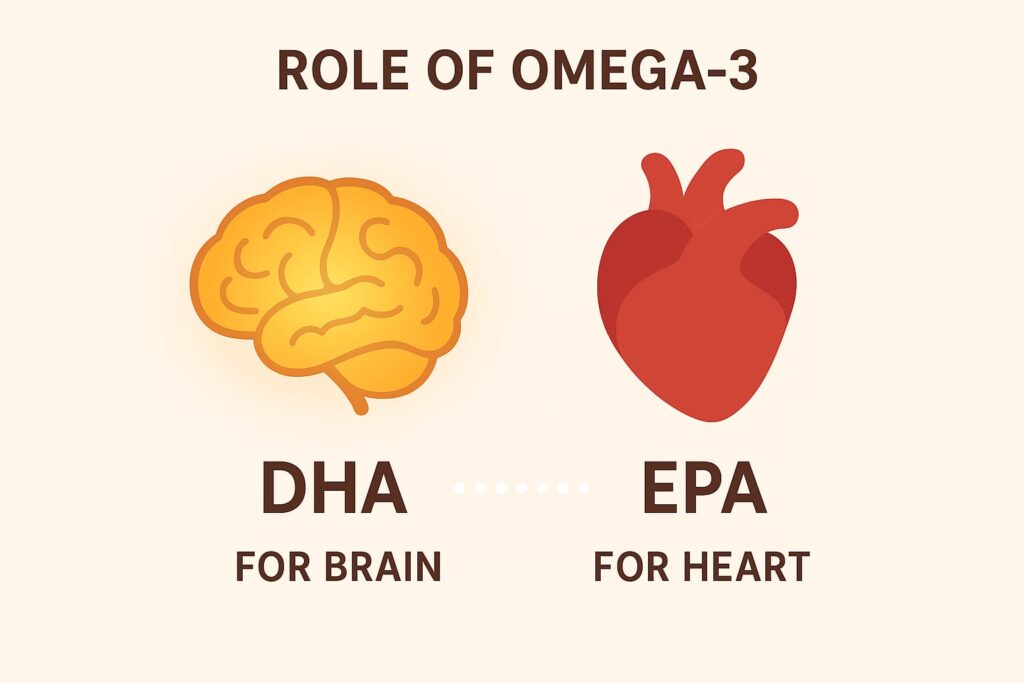
- Fish and algae are the main sources of docosahexaenoic acid, or DHA, which is essential for the heart, brain, and eyes.
Vegans’ bodies only convert roughly 5–10% of the ALA they eat into EPA and less than 2–5% into DHA. Therefore, even when they believe they are eating “healthily,” many plant-based eaters unintentionally experience of omega 3 deficiency symptoms.
Why Vegans Are More at Risk
You may be asking yourself, “Why am I still having these problems if I’m eating walnuts and flax seeds?
The catch Is this:
ALA is found in plant foods, but it is not readily converted to EPA and DHA.
Lifestyle, genetics, and stress all further lower conversion.
Because of this, vegans are more likely than non-vegans to experience of omega 3 deficiency symptoms.
The only plant-based source of direct EPA + DHA is algal oil, which is precisely why many nutritionists advise vegans to consume it.
For a complete understanding of plant-based omega-3, you can read our detailed Vegan Omega-3 Guide.

👉 Research reference: Healthline guide on Omega-3 for Vegans
What Research Says About DHA Deficiency
DHA is an essential omega-3 fatty acid that plays a crucial role in brain health, vision, and nervous system function. Research suggests that low DHA levels may be associated with issues like poor focus, mood changes, and eye health problems. Because the body cannot produce enough DHA on its own, it must come from diet or supplements.
Research references:
Harvard Health Publishing
National Institutes of Health (NIH)
European Food Safety Authority (EFSA)
⚠️ The 9 Omega-3 & DHA Deficiency Symptoms Most People Ignore
1. Memory Lapses & Forgetfulness
When you enter a room, do you suddenly forget why? Are you losing keys and phones more frequently than usual?
This is one of the first warning signs of low DHA levels not just aging or stress.
DHA improves communication between neurons. Memory retention starts to deteriorate when DHA levels fall, and people start having trouble with “simple things” that used to come naturally to them.

2. Mood Swings, Irritability & Unexpected Anxiety
Your brain may be lacking its emotional stabilizer if you’ve been experiencing erratic emotions lately, such as sudden sadness, irrational anxiety, or short fuse.
One of the most overlooked common sign of DHA deficiency is unstable mood.
Low DHA causes emotions to become sensitive, reactive, and easily overwhelmed because it controls the happy hormones serotonin and dopamine.
3. Dry Eyes & Blurry Vision
Eyes contain some of the highest DHA concentration in the entire human body.
So, when levels drop, the eyes respond immediately:
- Dryness
- Burning sensation
- Blurry sight after long screen hours it’s not always screen time – sometimes it’s DHA deficiency silently talking through your eyes.
4. Struggle to Focus & Poor Concentration
If you read something and immediately forget it…
If you begin a task and become distracted in the middle…
Your brain may be in dire need of DHA.
This symptom has the greatest impact on academic achievement and work productivity of all the DHA deficiency symptoms.
Thoughts become disorganized when DHA levels are low because the brain “tries hard” to function rather than naturally.

5. Fatigue Even After Full Sleep
You sleep but still wake up tired – not physically, but mentally drained.
This is the body’s SOS signal.
When the central nervous system is low on DHA, the brain burns more energy than usual simply to perform regular tasks.
That’s why persistent fatigue – especially mental fatigue – is a major DHA Deficiency Symptom.
6. Dry Skin & Slow Wound Healing
DHA strengthens the body’s cellular repair mechanism.
Low DHA = slow recovery.
People with DHA deficiency often notice:
- Dry scaly skin
- Cracks near lips and heels
- Wounds taking longer to heal Even dermatologists now agree that DHA deficiency can reflect through the skin.
7. More Stress from Small Things
Everyone faces problems – but when small issues feel overwhelming, the root is biological, not personality.
DHA supports the stress-management center of the brain.
One of the most seriously ignored DHA Deficiency Symptoms is hypersensitivity to stress – the feeling that life has become “too much”.
“If you saw yourself in even one of these signs, please don’t ignore it – your mind is asking for support.”
8. Brain Fog and Poor Memory
Have you ever entered a room and forgotten why you went there? Or struggled to focus on a simple task? This could be another sign of omega-3 deficiency symptoms. DHA makes up about 25% of the brain’s fat. Without enough DHA, concentration and memory take a hit.
Indeed, research indicates that omega-3 fatty acids are crucial in halting cognitive deterioration. Don’t ignore this if you’re a young vegan; brain health is something you shouldn’t put off until later in life.
9. Joint Pain and Stiffness
Avoid blaming age or exercise alone if you’re young and already experiencing achy joints. Because omega-3s have anti-inflammatory qualities, a lack of them can cause pain and stiffness. This can be particularly troublesome for fitness enthusiasts or athletes.
If you’re experiencing several of these symptoms, choosing the right supplement can make a difference. You can explore this detailed guide on the best vegan DHA supplements in India to understand safe and effective options.
🧠 Why DHA Deficiency Occurs Even If Your Diet Is Healthy
This is the biggest misconception:
“Healthy diet = no deficiency”
Unfortunately, DHA doesn’t work that way.
Even if you eat:
✔ salad
✔ vegetables
✔ nuts
✔ fresh home-cooked food
Your DHA level may still remain low because:
- Plants mostly contain ALA – not direct DHA
- The human body converts only 3% ALA → DHA
- Healthy food is no guarantee of DHA absorption
That is why identifying DHA Deficiency Symptoms matters even for fitness-focused people.
🧩 Daily Lifestyle Mistakes That Make DHA Deficiency Symptoms Worse
Even after being aware of the early signs of DHA deficiency symptoms, many people inadvertently carry on with daily activities that mildly worsen the condition. One of the biggest errors is depending only on “healthy fats” without ensuring the body receives direct DHA. For example, the body only converts a small percentage of walnuts, chia seeds, or flax seeds into usable DHA, despite the fact that many people consume these foods in the hopes of seeing results quickly. As a result, mood swings, forgetfulness, and poor concentration continue even when eating a healthy diet.
High screen time coupled with insufficient sleep is another prevalent factor. Neural fatigue brought on by digital overload is repaired by the brain using DHA, and symptoms worsen when DHA levels are low. Even emotionally, people begin to feel mentally exhausted, demotivated, or overpowered by little things; this is not a sign of weakness, but rather of insufficient DHA in the brain to control stress hormones.
The worst part is that most people think these changes are “normal” or “just stress.” But when someone looks back, they realize the signs were there – memory decline, dry eyes, irritability, and constant fatigue. The good news is that once DHA intake improves consistently, these DHA Deficiency Symptoms begin to fade, and mental clarity, emotional balance and energy return surprisingly fast.
Best Vegan Foods Rich in Omega-3
Some plant foods contain omega-3 fatty acids and can support overall intake.
Common vegan omega-3 sources include:
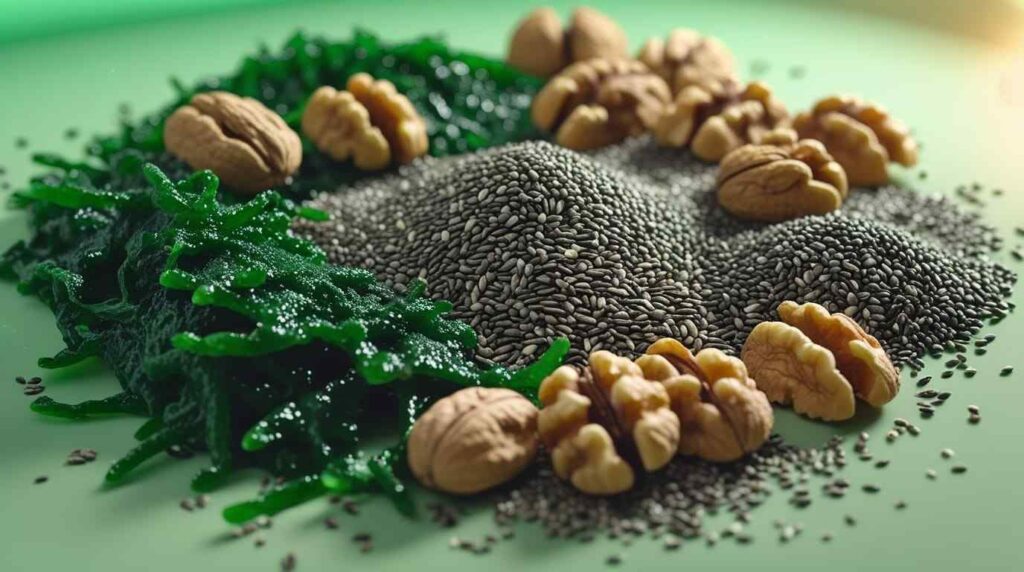
- Flaxseeds
- Chia seeds
- Walnuts
- Hemp seeds
- Algal oil (a direct vegan source of DHA)
While plant foods provide ALA omega-3, the body converts only a small percentage into DHA. Because of this, many vegans choose algal oil DHA to support optimal omega-3 levels.
🌱 How to Fix DHA Deficiency Naturally
The solution is simple once the cause is understood: provide the body direct DHA.
Best dietary additions:
- Algae oil (cleanest & vegan DHA source)
- Sea greens
- Chia seeds, flax seeds, walnuts (supportive, not enough alone)
Supplementation can help reach optimal DHA levels faster – especially for students, professionals, mothers, and athletes.
If you want a deeper comparison, this guide on top vegan DHA brands in India explains purity, dosage, and how to choose the right algal oil supplement.
If dietary sources alone are not enough, some people consider DHA supplements. When choosing a supplement, it’s important to look for clean algal sources, adequate DHA dosage, and third-party quality checks.
👉 Check latest price on Amazon
👉 Check latest price on Amazon
👉 Check latest price on Amazon
Disclaimer: This post contains affiliate links. If you buy through these links, I may earn a small commission at no extra cost to you. It helps me keep sharing useful content with you.
Expert Tip:
Many vegans rely only on flaxseeds or chia seeds for omega-3, but the body converts plant ALA to DHA very poorly. Algal oil DHA is considered one of the most reliable vegan sources of DHA.
👥 Who Needs DHA the Most?
Although everyone needs DHA, these groups are most vulnerable:
- Children & students (brain development)
- Working professionals (stress + screen time)
- Pregnant & breastfeeding mothers (high DHA demand)
- Athletes & gym-goers (high cellular repair)
- Older adults (cognitive protection)
Most people in these groups show mild-to-severe DHA Deficiency Symptoms without realizing it.
Daily Checklist to Avoid Omega 3 Deficiency Symptoms
- Eat at least 2 tablespoons of flax or chia.
- Snack on walnuts or hemp seeds.
- Use plant oils in cooking.
- Take 250–500mg algal oil supplement daily.
- Watch for warning signs like dry skin, fatigue, mood changes.
Quick Summary
- DHA is an essential omega-3 fat for brain and eye health
- Vegans may have a higher risk of DHA deficiency
- Symptoms can include fatigue, poor focus, and dry eyes
- Plant foods provide ALA, but DHA intake may still be low
- Vegan DHA from algal oil can help maintain healthy levels
🔗 VeganVitaa Blogs
For more in-depth information, explore our related guides below to better understand vegan DHA, algal oil, and choosing the right supplement. Blog
To understand DHA deficiency better and make informed choices, you may also find these related guides helpful:
If you are expecting, it’s important to understand safe DHA options. This guide explains how to choose the right vegan DHA capsules for pregnancy and why DHA is essential for your baby’s brain development.
DHA deficiency is increasingly common in India due to low seafood consumption and limited direct DHA sources in vegetarian diets. This detailed guide explains the real causes of DHA deficiency in India and how vegans can address it effectively.
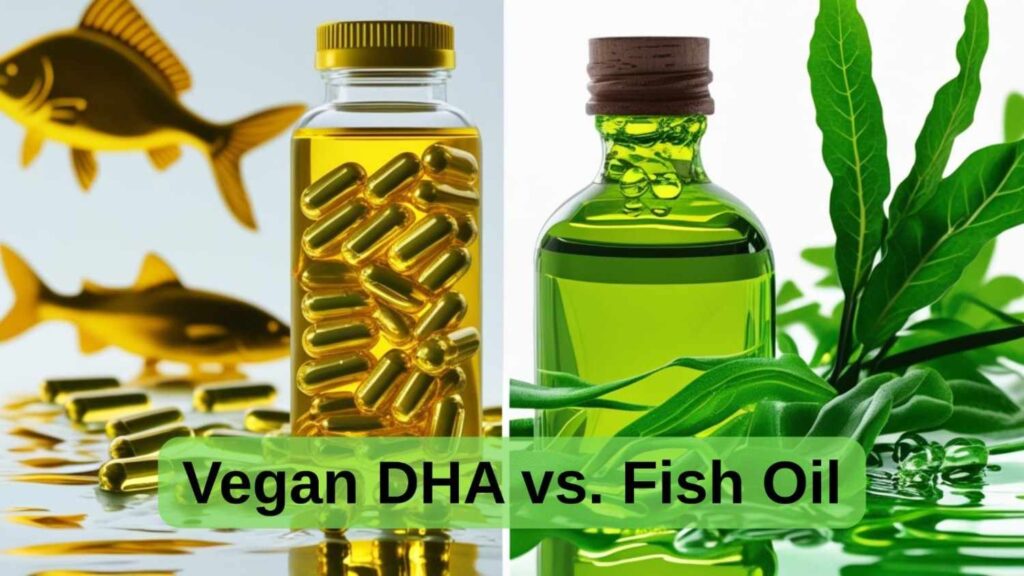
If you’re confused between plant-based and marine sources, this guide on vegan omega-3 vs fish oil explains the key differences, benefits, and which option may suit your needs better.
Choosing a high-quality algal oil can be confusing, so this guide to the best algal oil supplements in India breaks down the most reliable options for clean and effective vegan DHA.
Choosing the right plant-based supplement can be confusing, so this detailed guide to best vegan omega-3 capsules in India helps you understand dosage, purity, and what to look for in a high-quality algal oil supplement.
Best Vegan Foods Rich in Omega-3
If you’ve noticed any of the above symptoms, don’t panic. The good news is, there are easy ways to restore your omega-3 levels naturally.
1. Add ALA-rich Foods Daily
- Flaxseeds (ground) – add to smoothies.
- Chia seeds – soak overnight for pudding.
- Walnuts – snack handful daily.
- Hemp seeds – sprinkle on salads.
But remember: this alone may not be enough.
2. Use Plant Oils
Canola oil and soybean oil are good cooking alternatives that add ALA to your diet.
3. Take a Vegan DHA + EPA Supplement
This is the most reliable way for vegans to prevent omega 3 deficiency symptoms. Algal oil is made from algae (the same source fish get their omega-3 from).
🧾 FAQs —
Q1. How do I know if I am low in DHA?
If you experience forgetfulness, fatigue, mood shifts, dry eyes, poor focus, or skin dryness, you may be experiencing DHA Deficiency Symptoms.
Q2. Do vegans have a higher risk of DHA deficiency?
Yes, since ALA, not DHA, is present in the majority of plant-based foods. Deficiency is common in the absence of algae-based DHA sources.
Q3. Can DHA reduce stress and anxiety?
Indeed, DHA promotes serotonin balance, stress response, and emotional regulation.
Q4. Do vegans really need supplements for omega-3?
Yes, in most cases. Since EPA and DHA are hard to get from plants, a vegan algal oil supplement is the most reliable way to prevent omega 3 deficiency symptoms. It’s completely plant-based and sustainable.
Q5. What’s the daily requirement of omega-3 for vegans?
Most experts recommend 250–500 mg combined EPA + DHA daily for adults. If you’re pregnant, breastfeeding, or very active, you may need a bit more.
Q6. How long does it take for DHA levels to rise?
After taking enough DHA, most people experience improved mood, increased focus, and mental clarity within two to six weeks.
Many people also wonder how quickly DHA works in the body. This article explains how long vegan DHA takes to work and when you may start noticing results.
❤️ Conclusion
Life is demanding – and your brain does so much for you every single day.
Everything depends on how well your brain is nourished, including memory, emotions, choices, dreams, and relationships.
If you recognized even 3 out of the 9 DHA Deficiency Symptoms, don’t ignore them.
Your mind deserves the same care as your body.
Give your brain what it has been silently asking for: consistent DHA nutrition.
👉 Start taking DHA consciously – whether through nutrition, algae oil or supplementation – and feel the difference in clarity, confidence, memory, energy and emotional balance.
Your future self will thank you. 💚
About the Author:
Kamal is the founder of VeganVitaa, a platform focused on evidence-based vegan nutrition. He writes about plant-based health, omega-3 nutrition, and practical solutions for vegans looking to maintain optimal health.
Disclaimer: This article is for educational purposes only. Always consult your paediatrician before starting new supplements.
Disclaimer: This post contains affiliate links. If you buy through these links, I may earn a small commission at no extra cost to you. It helps me keep sharing useful content with you.
Pingback: Vegan Hair Loss & Dull Skin: Best DHA Omega-3 Deficiency Fix
Pingback: Fish Oil vs Vegan Omega 3: India’s 2025 Clean DHA Guide
Pingback: Why Vegan Omega 3 Not Working in India? 7 Mistakes
Pingback: 5 Subtle Signs You’re Not Getting Enough Omega 3
Pingback: Vegan DHA for Brain Fog & Mental Fatigue
Pingback: Best Algal Oil India 2025-2026 – Top Brands and DHA
Pingback: Vegan DHA for Skin Glow, Acne & Pigmentation: Does It Work?
Pingback: Vegan DHA for Muscle Recovery: Faster Recovery for Athletes
Pingback: 5 Best Vegan Omega 3 Capsules in India (2026 Buying Guide)
Pingback: Vegan DHA for Children Brain Development | Parent’s Guide
Pingback: DHA Deficiency in Children in India: Symptoms & Brain Impact
Pingback: Vegan Vitamin B12 Deficiency: Symptoms, Causes & Solutions
Pingback: How to Identify High Quality Algal Oil Before You Buy