
This blog was updated on 9th June 2026 to provide the latest information and researches on discovering why Plant-based Omega-3 is not effective in India.
You started taking vegan omega-3 with a simple expectation – better focus, more energy, and overall health support.
But after a few weeks, nothing really feels different. The results you were hoping for just aren’t there.
That’s when the question comes up: why vegan omega 3 not working in India?
If you’ve thought this, you’re not alone. Many people face the same confusion.
And in most cases, the issue isn’t the supplement itself – it’s how it’s chosen, used, or understood in the context of Indian diets and lifestyle.
This blog breaks it down in a simple, honest way – based on real experiences and common mistakes people make – so you can finally understand what’s going wrong and how to fix it.
Why This Topic Matters to Me
When I started researching vegan DHA for VeganVitaa, one sentence kept coming up in conversations with Indian readers:
“I tried vegan omega-3 – it didn’t work for me.”
I heard it too many times to ignore.
So I started asking more questions. What were they taking? How much? When? From which brand?
And almost every time, the same pattern appeared. Not a problem with vegan nutrition. A problem with how it was being used.
Wrong form. Too low a dose. Taken on an empty stomach. Stopped too early.
That is what this blog is about – not defending vegan omega-3 blindly, but being honest about why it fails for so many people in India and what actually fixes it.
Mistake 1: Assuming All Plant Omega-3 Is the Same
In India, this is the most common misconception.
Most people think:
- Flaxseed oil = enough omega-3
- Chia seeds = brain nutrition sorted
- Walnuts = DHA replacement
Reality check:
These foods provide ALA, not DHA or EPA.
Your brain, eyes, and nervous system need DHA.
ALA must be converted into DHA – and this conversion is extremely poor, especially in Indians.
Conversion rate:
- Healthy individuals: 5–10%
- Indian lifestyle (stress, poor gut): 1–2%
This alone explains why plant-based omega-3 does not work for so many people.
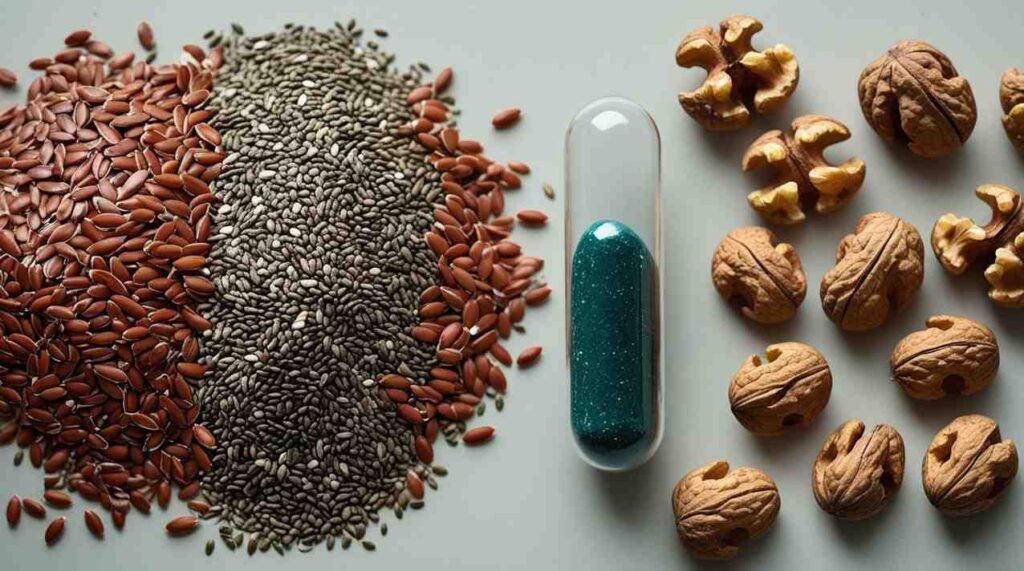
To understand this better, explore our guide on whether flaxseed is enough for omega-3 and the difference between ALA and DHA.
Mistake 2: Not Checking the Algal Source
“Vegan DHA” written on the label does not guarantee quality.
Many products in India:
- Use low-grade algae
- Don’t mention cultivation method
- Skip heavy-metal testing details
Poor algae = poor absorption = poor results.
This leads people to believe: DHA not working properly, when the issue is product transparency, not vegan nutrition.
Research available on PubMed highlights the role of omega-3 fatty acids, especially DHA, in supporting brain function and reducing inflammation in the body.
Mistake 3: Taking a Dose That’s Too Low
Let’s be honest.
Most Indian vegan omega-3 supplements provide:
- 100–150 mg DHA
That’s barely maintenance level.
Science suggests:
- Adults: 300–600 mg DHA/day
- Pregnant women & children: even higher (doctor-guided)
Taking a low dose and expecting miracles is another reason people conclude omega-3 doesn’t work.
Omega-3 is nutrition, not caffeine.
Mistake 4: Consuming It at the Wrong Time
Omega-3 is a fat-soluble nutrient.
Yet many people in India:
- Take it on an empty stomach
- Take it with tea or fruit
- Take it randomly
When dietary fat is absent, absorption sharply declines.
Correct way:
- Take with lunch or dinner
- Include healthy fats (nuts, seeds, oil)
Improper timing silently fuels the belief of why plant-based omega-3 is not as effective as claimed.

Mistake 5: Comparing Vegan Omega-3 With Fish Oil
This comparison destroys trust.
Fish oil:
- Gives faster “feel” effect
- Can act like a mild stimulant
- Comes with oxidation & contamination risks
Vegan DHA:
- Works at cellular level
- Supports brain structure
- Needs time and consistency
distinct mechanisms. distinct results.
Comparing them directly makes people assume vegan omega-3 is not working, when in reality it’s just working differently.
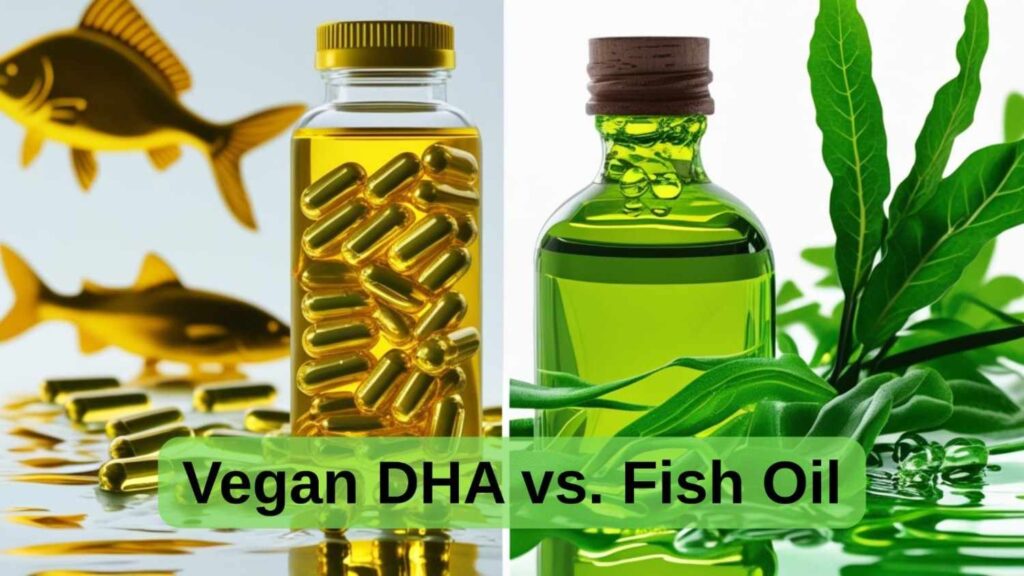
You can also read our comparison on fish oil vs vegan omega-3 for absorption, safety, and performance.
Mistake 6: Ignoring Gut Health (Very Indian Problem)
Indian digestive issues are common:
- Acidity
- Gas
- Poor bile flow
- IBS-like symptoms
Omega-3 is fat.
If digestion is weak, absorption suffers.
No absorption = no results.
This is a hidden but powerful reason behind why DHA is not working properly.
Simple fixes:
- Take with proper meals
- Avoid empty stomach
- Support gut health naturally
Mistake 7: Expecting Results Too Fast
This mindset kills long-term nutrition benefits.
Omega-3:
- Is not a painkiller
- Is not instant energy
- Is not pre-workout
- It rebuilds brain cells and nerve membranes.
Timeline:
3–4 weeks: internal changes
6–8 weeks: noticeable effects
Stopping early leads to the false conclusion: why vegan omega 3 not working in India.
Consistency matters more than brand.
Signs Your Omega-3 Is Not Working
Sometimes the problem isn’t the supplement itself – it’s how your body is responding to it. And the tricky part is, the signs are not always obvious.
You might be taking omega-3 regularly, but still feel like nothing has really changed. Your energy levels stay the same, your focus isn’t improving, and issues like dry skin or slow recovery after workouts continue. It can feel frustrating, especially when you’re trying to do everything right.
In many cases, this happens because the form of omega-3 you’re taking isn’t effective enough. For example, relying only on plant sources like flaxseed gives you ALA, but your body converts very little of it into DHA – the form your brain and body actually need.
Another common reason is consistency. Omega-3 doesn’t work like a quick fix. It needs regular intake, proper dosage, and a little patience.
If you’ve been taking omega-3 for weeks and still don’t notice any difference, it’s worth checking what you’re taking, how much you’re taking, and whether your body is actually getting usable DHA from it.
What Science Actually Says
Multiple studies confirm:
- Algal DHA is bioavailable
- Supports cognitive and eye health
- Safe for long-term use
Research from National Institutes of Health shows that DHA and EPA play important roles in brain function and inflammation control.
How to Make Vegan Omega-3 Work in India (Checklist)
If you don’t want to ask why vegan omega 3 not working in India, follow this instead:
- Choose direct DHA from algae
- Minimum 300 mg DHA
- Take with meals
- Be patient (6–8 weeks)
- Focus on absorption, not hype
Best Vegan Omega-3 Options That Actually Work
When it comes to omega-3, quality makes a bigger difference than most people think. Two supplements may look similar on the outside, but the results they give can be completely different.
For vegans, the most reliable option is algal oil – because it provides DHA directly, without depending on your body’s limited conversion process. This is important, especially if your goal is better focus, recovery, or overall health support.
A good supplement should clearly mention how much DHA it provides per serving. Ideally, you want something in the range of 300–500 mg of DHA, along with clean ingredients and no unnecessary additives. Transparency on the label is always a good sign.
It’s also important to choose something you can take consistently – whether that’s capsules or gummies. The best supplement is the one you’ll actually stick with daily.
At the end of the day, results don’t come from trying multiple products randomly. They come from choosing one reliable option and using it the right way over time.
Recommended Vegan Omega-3 Options (India)
If you prefer a quick and convenient option, you can check a trusted vegan omega-3 supplement on Amazon with clear DHA content and verified reviews to get started.
Disclaimer: This post contains affiliate links. If you buy through these links, I may earn a small commission at no extra cost to you. It helps me keep sharing useful content with you.
FAQs
Q. Why vegan omega 3 Not working in India for many people?
Vegan omega-3 usually doesn’t work because people take ALA instead of direct DHA, use very low doses, or consume it incorrectly. Other important factors include Indian digestion, stressful lifestyles, and poor absorption.
Q. Is plant-based omega-3 adequate without supplements?
Although they are good for general health, seeds like flax and chia don’t provide enough DHA for the health of the brain, eyes, or nerves. Direct algal DHA is usually required, especially for adults, children, and pregnant women.
Q. How long does vegan omega-3 take to show results?
Vegan omega-3 works slowly and at a cellular level. Most people notice benefits after 4–6 weeks, while full effects may take up to 8 weeks with consistent use
Q. Is vegan omega-3 safer than fish oil in India?
Yes. Because vegan omega-3 derived from algae avoids common fish oil hazards like oxidation, mercury contamination, and fishy aftertaste, it is a cleaner long-term option for Indian consumers.
Q. In India, how should one take vegan omega-3?
Eat a healthy, high-fat meal with vegan omega-3. Avoid eating on an empty stomach and be consistent every day for the best absorption and results.
For proper dosage, check our guide on how much omega-3 you really need daily based on your lifestyle.
Q. Can poor gut health stop vegan omega-3 from working?
Honestly, yes — and most people never consider this.
Omega-3 is a fat. Your body needs proper digestion to absorb it. If you have frequent acidity, bloating, or weak digestion — which is very common in Indian adults — a large part of that supplement passes through without being used. Taking it with a proper meal, not just a glass of water, makes a bigger difference than most people realise.
Q. Does Indian cooking oil affect how omega-3 works in the body?
More than you would think.
Most Indian households cook with sunflower or soybean oil — both are very high in omega-6 fats. When omega-6 intake is too high, it directly competes with omega-3 in the body and reduces how much your cells actually absorb. Simply switching to mustard oil or rice bran oil for daily cooking can quietly improve how well your omega-3 supplement works over time.
Final Words from Experience
If you have been wondering why vegan omega 3 not working in India despite doing everything right – you are not alone, and you are probably not doing as much wrong as you think.
In almost every case I have seen on VeganVitaa, the problem was something small and fixable. Wrong form. Too low a dose. Taken on an empty stomach. Stopped two weeks before it had any real chance to work.
None of these are complicated mistakes. They just never get explained upfront – so people quietly conclude that vegan nutrition does not work and move on.
Before you give up, check the basics once. Are you taking direct DHA from algal oil – not just ALA from flaxseed? Is the dose at least 300mg daily? Are you taking it with a proper meal consistently?
If any of these are off – that is your answer.
Fix those. Give it eight solid weeks. And then decide.
About the Author
Kamal Mishra is a health & nutrition writer and vegan wellness advocate. He is the founder of VeganVitaa – India’s trusted vegan DHA resource for plant-based families.
For more in-depth information, explore our related guides below to better understand vegan DHA, algal oil, and choosing the right supplement. Blog
If you’re confused about different types of omega-3, you can explore our complete guide on vegan omega-3 for vegetarians, including DHA, EPA, ALA sources and the best supplements.
If your diet feels clean but results are still missing, you can explore our guide on low fat vegan diet problems in India and why healthy fats like omega-3 are often lacking.
If you’re unsure whether DHA is really necessary, you can explore our guide on do vegans need DHA, its signs, risks, and best plant-based sources.
For a quick comparison of reliable options, you can check our guide on the top 3 best vegan DHA supplements in India (2026) to choose what fits your needs.
Disclaimer: This article is for educational purposes only. Always consult your paediatrician before starting new supplements.
Disclaimer: This post contains affiliate links. If you buy through these links, I may earn a small commission at no extra cost to you. It helps me keep sharing useful content with you.

Pingback: Vegan DHA for Brain Fog & Mental Fatigue
Pingback: Omega 3 for PCOS in India — Can Vegan DHA Help? (2026)
Pingback: Omega 3 for Eye Health in India- Can Vegan DHA Help? (2026)
Pingback: Omega 3 for Diabetes in India - Can Vegan DHA Help? (2026)
Pingback: Omega 3 for Thyroid Health in India — Can Vegan DHA Help?
Pingback: How to Choose Vegan DHA Capsules in India — Quick Guide
Pingback: Vegan DHA 90 Days Results in India — What Actually Happens
Pingback: Best Vegan Omega 3 with EPA and DHA in India — Top 5 Picks