This blog was updated on 9th March 2026 to provide the latest information and researches on discovering The Truth About ALA vs DHA.
Is flaxseed enough for omega 3? When I first became vegan, this was one of the biggest questions in my mind. “You’ll get enough omega-3 if you just eat flaxseeds every day,” a lot of people told me. Initially, I thought it was true. The reality is more nuanced, though, as I discovered after reading more about omega-3, ALA, and DHA.
“You’ll be fine if you just add flaxseeds to your oatmeal or smoothie,” everyone around me said. It sounded easy at first. The reality is more nuanced, though, as I learned more about omega-3 and how our bodies use it.
Many vegetarians and vegans have similar stories. We sprinkle flaxseed on our food every day after hearing about its health benefits, but we question whether we are actually getting the kind of omega-3 that our hearts and brains require. We must comprehend the distinction between ALA and DHA in order to respond to this question, as well as the reasons why depending solely on flaxseed might not always be sufficient.
“Like many vegans, I believed flaxseeds alone were enough for all my omega-3 needs – until constant brain fog and low energy made me realize that sometimes, even a healthy routine needs the right kind of nutrition.”
Omega-3 fatty acids are essential for brain and heart health.
According to research highlighted by Harvard Health Publishing, the body converts only a small portion of plant-based ALA into DHA and EPA, which explains why relying only on flaxseed may not always meet long-term omega-3 needs.
Why Omega-3 Matters for Everyone
Essential fats are omega-3 fatty acids. This implies that we must obtain them from food because our bodies are unable to produce them on their own. Omega-3 is essential for:
- Memory and brain health
- Visibility and eye health
- Decreased inflammation
- Healthy heart and blood flow
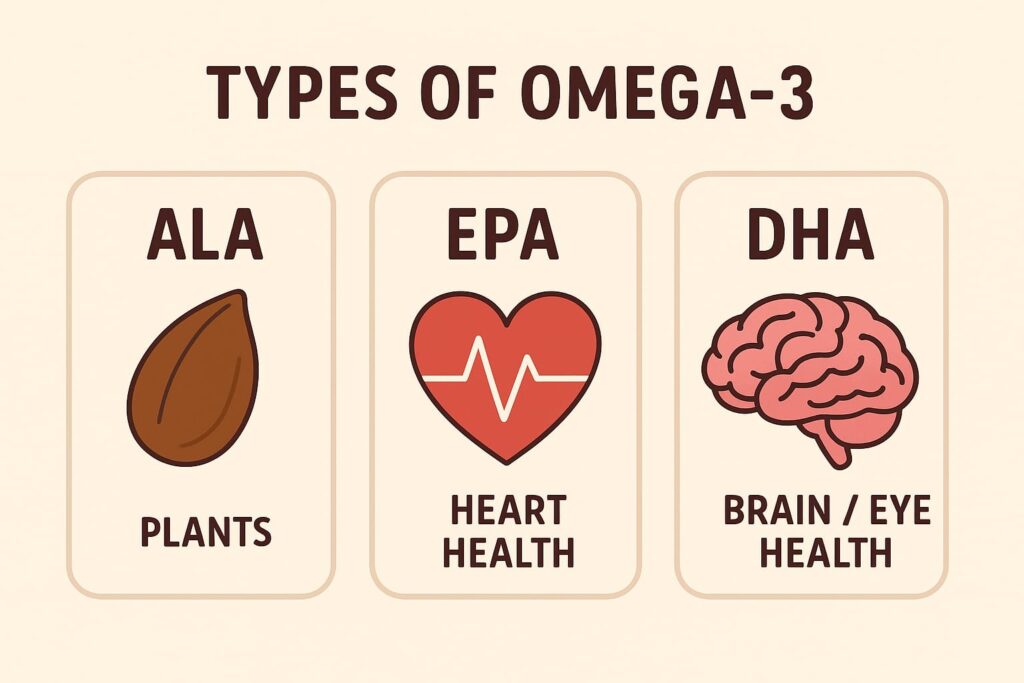
Three primary forms of omega-3 exist:
1. Plant foods such as walnuts, chia seeds, and flaxseed contain alpha-linolenic acid (ALA).
2. Eicosapentaenoic acid, or EPA, is primarily present in fish and algae.
3. The most crucial for the health of the brain, eyes, and mind is docosahexaenoic acid, or DHA.
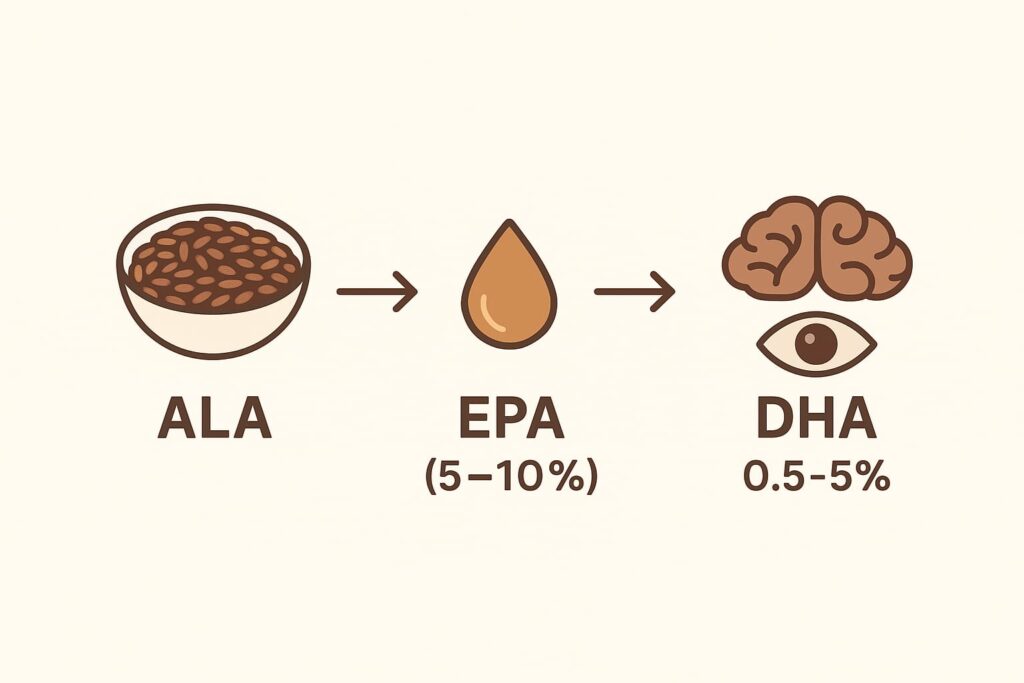
The issue is that while ALA must be transformed into DHA and EPA when consumed, our bodies can readily absorb EPA and DHA. Unfortunately, there is a very low conversion rate.
For a complete understanding of plant-based omega-3, you can read our detailed Vegan Omega-3 Guide.
Flaxseed and ALA – Nature’s Plant Power
With good reason, flaxseed is frequently referred to as a superfood. In the form of ALA, it is among the most abundant plant-based sources of omega 3. About 1.6 grams of ALA are found in just one tablespoon of ground flaxseed.
Benefits of flaxseed omega-3 include:
- Reducing cholesterol to promote heart health
- Offering fibre to improve digestion
- Improving the quality of skin and hair
- Behaving as an antioxidant
- Aiding with weight control
Because of these benefits, many people assume flaxseed alone is enough. But the question remains: Is flaxseed enough for omega 3 for long-term brain and eye health?
If you want to try flaxseeds for omega-3, you can check these organic flaxseeds-
Amazon – Organic Flaxseeds 👉 Check latest price on Amazon
ALA to DHA Conversion in the Human Body
Flaxseed is one of the richest plant sources of omega-3, but the type it contains is ALA (alpha-linolenic acid). While ALA is beneficial, the body still needs to convert it into DHA and EPA, the long-chain omega-3 fats that support the brain, eyes, skin, and heart.
The problem is that this conversion process is very inefficient.
Research suggests that only a small percentage of ALA converts into DHA, often estimated to be between 0–5% in many people. This means that even if you regularly eat flaxseed, your body may still struggle to produce enough DHA for optimal health.
Several factors can further reduce this conversion rate, including:
- High intake of omega-6 fats from processed foods
- Genetic differences between individuals
- Low overall omega-3 intake
- Nutritional deficiencies such as zinc or vitamin B6
Because of this limitation, many nutrition experts recommend that vegans combine ALA sources like flaxseed with a direct DHA source, such as algal oil, to maintain balanced omega-3 levels.
In simple terms, flaxseed is still a healthy food – but relying on it alone may not always provide enough DHA for brain and long-term health.
You can explore more vegan omega-3 supplements here-
Amazon – Vegan Omega-3 Supplements 👉 Check latest price on Amazon
ALA vs DHA – The Real Difference
Both ALA and DHA are forms of omega-3 fatty acids, but they work very differently in the body. Understanding this difference helps explain why relying only on flaxseed may not always meet your DHA needs.
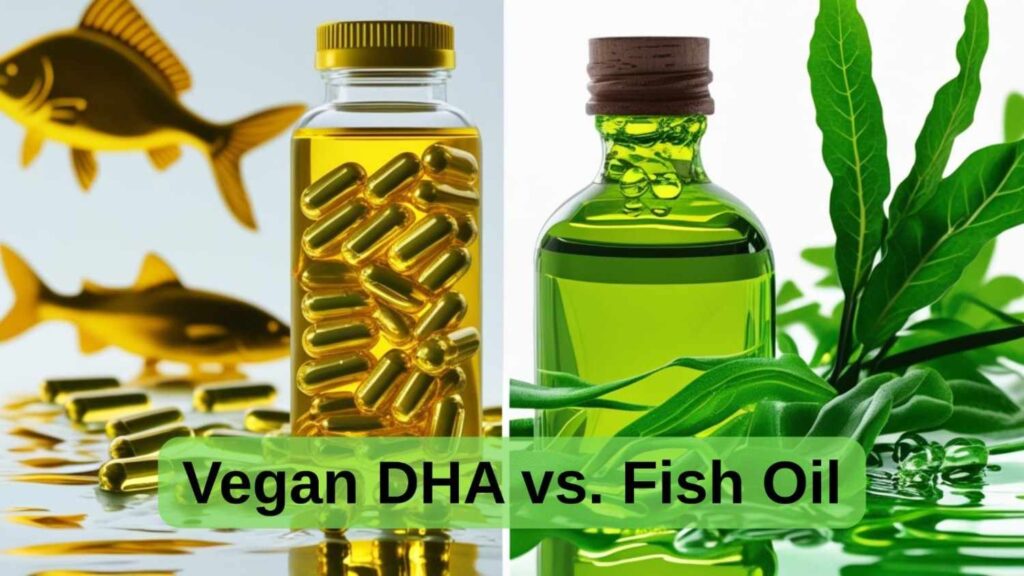
| Feature | ALA (Flaxseed) | DHA (Algal Oil) |
| Type of Omega-3 | Short-chain omega-3 | Long-chain omega-3 |
| Main role | Basic omega-3 support | Brain, eye & nerve support |
| Conversion needed | Must convert to DHA | Already in active form |
| Conversion rate | Very low (0–5%) | No conversion required |
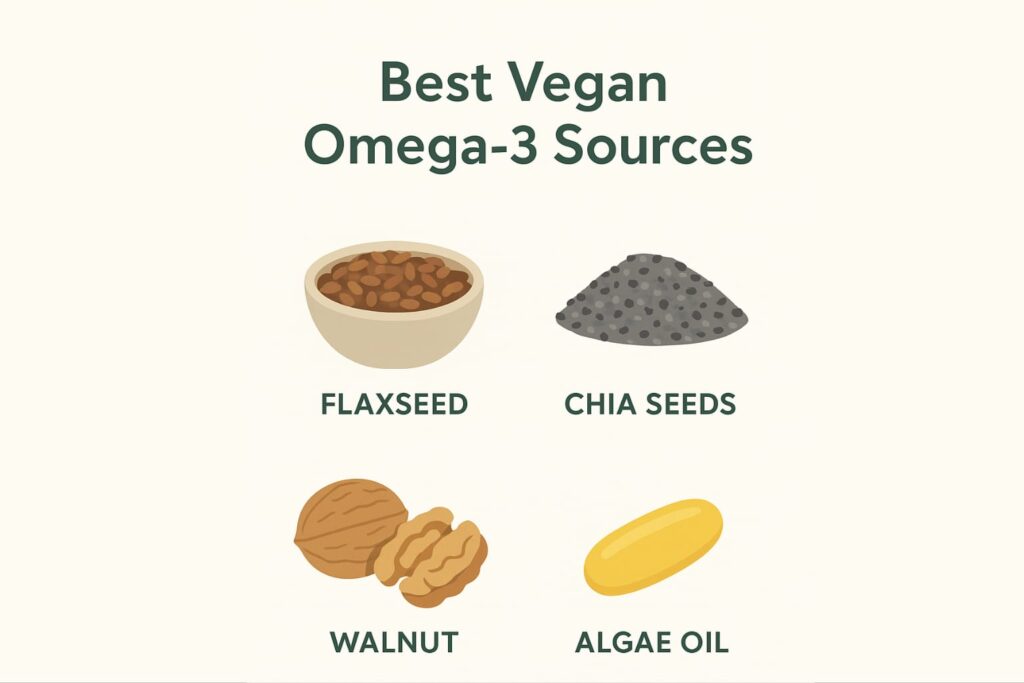
| Best vegan sources | Flaxseed, chia seeds | Algal oil supplements |
This comparison shows why flaxseed is still healthy but may not fully replace direct DHA sources. Many vegans choose to combine ALA foods with algal oil DHA for more complete omega-3 support.
If you want a deeper comparison between plant-based ALA and direct DHA sources, read our detailed guide on Algal Oil DHA vs Flaxseed Omega-3: Which Is Better?
The real truth enters the picture here. It is not a good-versus-bad fight between ALA and DHA. Although they have different functions, both are significant.
- ALA, which comes from flaxseed, has anti-inflammatory and energy-boosting qualities.
- The brain, eyes, and nervous system are built and maintained by DHA (found in fish or algae).
Although research indicates that the body can convert ALA to DHA, the conversion rate is only approximately 0.5–5%. This implies that only a very small portion of flaxseed actually converts to DHA when consumed in large quantities.
So, when we ask Is flaxseed enough for omega 3, the honest answer is: not really-at least not if you want to keep your DHA levels high.
Studies show that the human body converts only a very small percentage of ALA into DHA.
A review published in the National Center for Biotechnology Information (NCBI) suggests that the conversion of plant-based ALA into DHA in the human body is very limited, which may make it difficult to rely only on ALA sources like flaxseed for optimal DHA levels.
Flaxseed vs Chia Seeds – Any Better?
Some people think that switching from flaxseed to chia seeds will help. However, there isn’t much of a difference between omega-3 flaxseed and chia seeds. Despite having high ALA content, both have the same drawback: poor conversion to DHA.
Therefore, the challenge will be the same whether you eat walnuts, chia seeds, or flaxseed.
The Hidden Risk: Vegan Omega-3 Deficiency
Over time, many vegans may develop a vegan omega-3 deficiency if they only consume flaxseed. Symptoms could consist of:
- Impaired memory or fogginess
- Vision issues or dry eyes
- Depression, anxiety, or mood swings
- Exhaustion and low vitality
- Dryness of the skin
Long-term DHA deficiency can impact heart health and brain function, but it takes time to manifest. For this reason, physicians frequently measure vegan patients’ omega-3 levels.
Many vegans are unaware of the early warning signs of low omega-3 levels. You can learn more in our guide on Omega-3 & DHA Deficiency Symptoms in Vegans.
Can Flaxseed Alone Provide Enough DHA?
Let’s go back to the main question: Is flaxseed enough for omega 3? The short answer is no. While flaxseed is healthy and full of ALA, it cannot provide the direct DHA your body needs in significant amounts.
Consider it this way: DHA is the finished product your brain needs, while ALA is the raw ingredient. You won’t have enough of the final product if your body’s “factory” only produces a very small amount.
Low DHA levels may also affect skin health, including dryness, acne, and dull skin. Learn more in our article on DHA for Skin Glow, Acne & Pigmentation.
Best Omega-3 Solutions for Vegans
The good news is that there is an easy fix. Vegans can use algae oil, which is the direct source of omega-3, in place of fish oil.
By ingesting algae oil directly, you are avoiding the intermediate step, as fish obtain their DHA from algae.
Why the best omega-3 for vegans is algae oil:
- Completely sustainable and plant-based
- Offers DHA directly; conversion is not required.
- Helps elevate mood, focus, and memory
- Promotes the health of the heart and eyes
For this reason, health professionals advise taking an algae-based DHA supplement along with flaxseed (for ALA and fibre).
The question of whether vegans require DHA supplements is thus raised. In general, the answer is yes if you want full omega-3 support.
Adequate DHA intake is also important for recovery and energy, especially for active people and gym lovers. Read more in Vegan Omega 3 for Athletes.
DHA is critical for brain development, vision, and overall cognitive health.
According to the National Institutes of Health (NIH), omega-3 fatty acids such as DHA play an important role in brain function, eye health, and heart health, which is why getting enough long-chain omega-3s is important for overall well-being.
How Much DHA Do You Need?
The majority of dietitians advise:
- Adults should take 200–300 mg DHA per day.
- Greater amounts for the baby’s brain development during pregnancy and lactation
Large doses are not necessary, but a consistent supply is. For this reason, a lot of vegans use flaxseed in their diet and take an algae oil capsule every day.
Practical Tips to Get the Best of Both Worlds
You can easily balance your omega-3 intake by doing the following:
1. Include flaxseed in your regular meals, such as salads, chapati dough, oatmeal, and smoothies.
2. Add walnuts and chia seeds for extra nutrition and variation.
3. For direct DHA, take supplements containing algae oil DHA.
4. Consume a vegan diet that is well-balanced and includes whole foods, beans, and leafy greens.
In this manner, you can take advantage of the omega-3 benefits of flaxseed while also making sure your brain gets enough DHA.
For direct vegan DHA, many people use algae oil supplements like this one-
Amazon – Algae Oil DHA 👉 Check latest price on Amazon
📌 FAQ Section
1. Is flaxseed enough for omega 3 for vegans?
Many vegans wonder, Is flaxseed enough for omega 3? The truth is that flaxseed is rich in ALA, but the body converts very little into DHA. That means flaxseed alone may not be enough if you want full brain and eye support.
2. Do I still need DHA if I eat flaxseed daily?
Yes. Even if you eat flaxseed every day, your body still gets very little DHA. Flaxseed is great for heart and digestion, but for complete omega-3, adding algae-based DHA is the best option.
3. How much flaxseed should you eat daily for omega-3?
Most nutrition experts suggest around 1–2 tablespoons of ground flaxseed per day to get a good amount of ALA omega-3. Grinding the seeds helps the body absorb the nutrients better. However, even with regular flaxseed intake, DHA levels may still remain low because ALA conversion is limited.
4. What’s the difference between ALA and DHA in flaxseed?
ALA in flaxseed is good for general health, but DHA is the form your brain and eyes really need. Since the conversion of ALA to DHA is very low, the question Is flaxseed enough for omega 3 becomes very important for long-term health.
5. What’s the best omega-3 source for vegans?
Flaxseed, chia seeds, and walnuts are good plant-based sources of ALA, but the best direct source of DHA is algae oil. That’s why when people ask, Is flaxseed enough for omega 3, experts recommend using both flaxseed and algae DHA together.
6. Can vegans get enough omega-3 without supplements?
Vegans can get ALA omega-3 from foods like flaxseed, chia seeds, and walnuts. However, since the body converts only a small amount of ALA into DHA and EPA, some vegans choose to include algal oil DHA supplements to ensure optimal omega-3 levels for brain and heart health.
Final Thoughts
So, Is flaxseed enough for omega 3?
In actuality, flaxseed is a fantastic superfood. It provides you with a lot of ALA, fibre, and antioxidants. Flaxseed by itself, however, is insufficient in DHA, the omega-3 that your brain and eyes actually require.
The clever strategy is straightforward: take an algae-based DHA supplement in addition to flaxseed on a daily basis for its many health benefits. ALA and DHA, the two best forms of omeg-3 for vegans, are thus obtained without any deficiencies.
It’s worth it for your energy, memory, and health. Because ultimately, maintaining the proper balance of foods is more important for good nutrition than picking just one.
For more in-depth information, explore our related guides below to better understand vegan DHA, algal oil, and choosing the right supplement. Blog
If you’re looking for a convenient way to get direct DHA, you can also explore our guide to the best vegan omega-3 capsules in India to compare trusted plant-based options.
For those who want a pure plant-based DHA supplement, we’ve also reviewed the best algal oil supplements in India to help you choose a high-quality vegan omega-3 source.
If you want a quick recommendation, check our top 3 best vegan DHA supplements in India (2026 guide) where we compare the most trusted plant-based DHA options.
Disclaimer: This article is for educational purposes only. Always consult your paediatrician before starting new supplements.
Disclaimer: This post contains affiliate links. If you buy through these links, I may earn a small commission at no extra cost to you. It helps me keep sharing useful content with you.
Pingback: Vegan Vitamin B12 Deficiency- Symptoms & Best Sources
Pingback: Vegan Omega 3 for Anxiety: Natural Mood Support
Pingback: Algal Oil DHA vs Flaxseed Omega-3: Better Choice 2025
Pingback: Vegan Omega 3 Guide: DHA, EPA, ALA & Sources
Pingback: Vegan DHA: Are You Missing This Essential Nutrient?