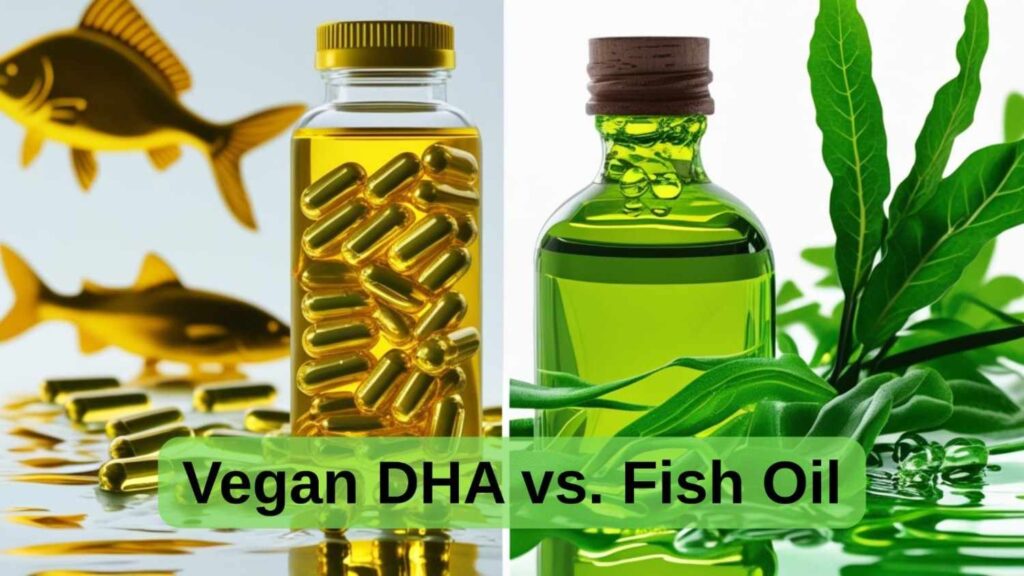
Three months in. Taken it almost every day. Nothing feels different. The cursor’s hovering over a new brand’s Amazon listing, finger ready to click, half convinced the first one was a dud.
That exact moment, right before switching, is where most people make the wrong call. Is vegan omega 3 working the way it’s supposed to, or does it just feel like nothing’s happening because nothing’s supposed to feel like anything? Those are two completely different situations, and jumping to a new brand doesn’t actually answer either one.
Before you order bottle number two, run through what’s actually worth checking first. This is the checklist we walk VeganVitaa readers through whenever this question comes up, and it usually points to something more fixable than “wrong product.”
What “Working” Actually Means for Vegan Omega 3
Here’s the part nobody explains on the label. DHA isn’t a stimulant. It’s not caffeine, it’s not a pre-workout, it’s not something that gives you a noticeable hit and tells your brain “Hey, I’m working.”
A few things DHA genuinely is not built to do:
- Give you an immediate energy spike or noticeable alertness
- Produce a mood lift you can feel within days
- Create any sensation at all that tells you it’s being absorbed
DHA is structural. It gets built into cell membranes, particularly in the brain and eyes, over weeks and months. Think of it less like a switch flipping on and more like slowly replacing bricks in a wall, one at a time, until the whole structure is a little sturdier. You’re not going to feel individual bricks going in.
So, when someone says nothing changed after three months, that’s often not a failure. Vegan omega 3 results tend to show up as slightly better markers on a blood test, not a dramatic before-and-after feeling. Managing that expectation matters more than most people realize before they start.
Is Vegan Omega 3 Working? 7 Things to Check Before Buying Another Bottle
Before assuming the product failed, run through these seven checks. Most people skip straight past all of them and go straight to switching brands.
1. How Much DHA and EPA Are You Actually Getting Per Day
This trips up more people than anything else on this list. A label says “1000mg algal oil” and buyers assume that’s 1000mg of actual DHA. It almost never is.
Algal oil is the total oil extracted from the algae. DHA and EPA are just a portion of that oil, sometimes a small one. A product might list 1000mg of oil while only delivering 200mg of actual DHA, with the rest being other fatty acids that don’t do the same job.
Flip the bottle over and find the actual EPA and DHA numbers per serving, not the total oil weight on the front. A few things to look for specifically:
- The actual mg of DHA per serving, stated separately from total oil weight
- The actual mg of EPA per serving, if the product includes it
- Whether the serving size is per one capsule or per two, since this changes your real daily intake
- Whether the source is clearly named as algal oil, not a vague “omega-3 blend”
If those numbers are genuinely low once you add them up, that alone could explain why you’re not seeing much.
2. Are You Taking It with Food Every Day
DHA is fat-soluble. Taking it on an empty stomach, first thing in the morning with nothing else in your system, means a chunk of it likely passes through without getting absorbed properly.
This sounds minor, but it’s probably the single most common reason people don’t see results. A few small habits make the real difference here:
- Take it right after a meal that has some fat in it, not on an empty stomach
- Pick a fixed time of day and stick to it, so it becomes automatic rather than something you have to remember
- Keep a rough mental note of missed days, since a few skipped doses each week adds up fast over three months
- If mornings are chaotic, consider pairing it with dinner instead, whatever meal you’re most likely to actually sit down for
Not a bad product, just a habit that quietly undermines it every single day.

3. Have You Given It Enough Time
There’s no version of this where a 30-day transformation is realistic, and any product claiming that is stretching the truth.
Research looking at how long does vegan omega 3 take to work generally points to somewhere between 8 and 12 weeks before blood DHA levels show a measurable, meaningful shift. A controlled trial tracking DHA absorption found blood levels rising steadily over this window rather than in any sudden jump. Read the DHA absorption timeline study on PubMed. Some benefits, particularly around brain and cognitive markers, take even longer to become detectable. Three months is often right at the edge of when things start showing up, not long after.
If you’re at the six- or seven-week mark and already reaching for a new brand, that’s probably too early to draw any conclusion at all. A rough timeline worth keeping in mind:
- Weeks 1 to 4: blood DHA levels are still rising, don’t expect to notice anything yet
- Weeks 8 to 12: this is where most research shows a measurable shift in blood markers
- Beyond 12 weeks: cognitive and inflammation-related markers may still be gradually improving
If you want to read more about Vegan DHA results, here’s the detailed guide: Vegan DHA 90 Days Results in India — What Actually Happens
4. Is Your Expected Benefit Actually Research-Supported
This one’s uncomfortable but necessary. Sometimes the supplement isn’t failing, the expectation was never realistic to begin with.
Omega-3 has decent research behind it for a long specific set of things:
- Brain function and cognitive support, particularly DHA’s role in cell membranes
- Eye health, since DHA is concentrated in retinal tissue
- Certain cardiovascular markers, especially triglyceride levels
- Joint comfort and inflammation, more relevant to EPA specifically
It does not have strong research behind it as an energy booster, a mood fix, or a weight-loss tool, despite plenty of marketing suggesting otherwise. If you started taking it expecting something the research never actually promised, no amount of waiting will produce that result.
Worth being honest with yourself here before blaming the product.
5. Is Your Product DHA or ALA
A genuinely common mistake among Indian buyers. Flaxseed oil, chia seed oil, and similar plant oils get marketed loosely as “omega-3,” and technically they are, but they contain ALA, not DHA or EPA directly.
The body can convert ALA into DHA, but the conversion rate is low, often under five percent. If you’ve been taking a flaxseed-based product expecting DHA-level benefits, that gap alone explains a lot. Algal oil delivers preformed DHA and EPA directly, skipping that inefficient conversion step entirely.
Check the source on your label. If it says flaxseed, chia, or a generic “plant-based omega-3 blend” without naming algal oil specifically, that’s worth investigating. Best Vegan Omega 3 with EPA and DHA in India — What Actually Works?
6. Could Your Product Have Degraded
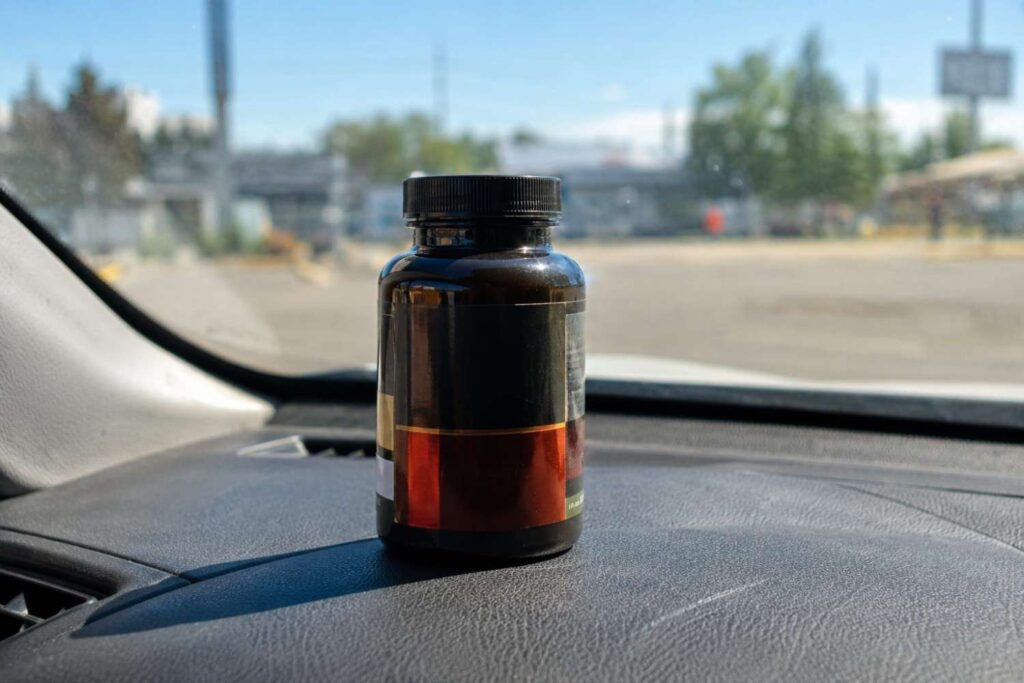
Algal oil doesn’t handle heat well, and Indian summers are not gentle on supplement bottles left in a car, near a window, or in a warm bathroom cabinet.
Oxidized oil doesn’t deliver the same benefit, even if the label still claims the original DHA content. A few quick things worth checking on your own bottle:
- Where has it actually been sitting, a cool cupboard or somewhere warmer like near a window or a car
- Does the capsule have any unusually strong or off smell compared to when you first opened it
- Is the manufacturing date recent, or has the bottle likely been sitting in a warehouse or store shelf for a while
- Has the bottle been opened and closed repeatedly in a humid bathroom, which speeds up degradation
This is one of the more overlooked reasons a supplement might feel like it’s “not working,” when actually what’s happening is the product degraded before it ever reached your body in usable form. How to Store Algal Oil Supplements in India — Shelf Life, Heat and What to Check
7. Has Anyone Tested Your Omega 3 Status Objectively
This is the one almost nobody does, and it’s the most useful check on this entire list.
An Omega-3 Index blood test measures the actual percentage of EPA and DHA in your red blood cell membranes. It’s a direct, objective marker, not a guess based on how you feel. This test is available through several diagnostic labs in India, though it’s worth calling ahead to confirm a specific lab offers it, since it’s not as universally stocked as a standard lipid panel.
Everything else on this list is a reasonable guess. This is the only one that actually tells you something concrete.
How to Actually Measure If Omega 3 Is Working
Symptoms are subjective. A blood test isn’t. If you’ve been wondering how to know if vegan omega 3 is working without just guessing, this is the actual answer, not a checklist of vague signs to watch for.
The Omega-3 Index is the standard marker researchers use to track omega-3 status, and it’s a far more reliable signal than trying to notice whether your focus feels sharper this week compared to last. The NIH’s overview of omega-3 fatty acids covers how EPA and DHA function in the body and what blood markers typically shift with adequate intake. NIH Omega-3 Fatty Acids Fact Sheet
Beyond the Omega-3 Index specifically, a few other markers can offer supporting clues if you’re already getting routine blood work done:
- Triglyceride levels, which often trend down with consistent omega-3 intake
- Certain inflammatory markers, if your doctor is tracking them
- General lipid panel changes over a period of consistent supplementation
Neither confirms cause and effect on their own, but a downward trend alongside consistent supplementation is a genuinely useful signal, more useful than guessing from how you feel day to day.
What a test can’t do is tell you whether a specific symptom, say, brain fog or joint stiffness, is caused by low omega-3 or something else entirely. It confirms your levels, not necessarily the exact cause of how you feel. That distinction matters when interpreting results.
Why You May Feel Nothing Even When It Is Working
This deserves its own section because it’s the part that causes the most premature brand-switching.
DHA is structural nutrition, not immediate-feeling nutrition. Someone who’s been deficient for ten years and someone who’s been mildly low for one year are starting from very different baselines, and the timeline to notice any difference, if noticeable at all, will differ between them too. DHA for Brain Health in India — Why Vegetarians Are Running Low on the Brain’s Most Important Fat
A lot of vegan DHA results in India get judged against an unrealistic standard, expecting to feel a shift the way you might notice caffeine kicking in. A few reasons that expectation doesn’t match reality:
- DHA works by slowly changing cell membrane composition, not by triggering an immediate sensation
- Someone deficient for a decade needs longer to rebuild adequate levels than someone only slightly low for a year
- Individual absorption and metabolism vary, so two people on the same product can see different timelines
- Most of what actually changes shows up on a blood test, not in how your day feels
That’s simply not how this nutrient works. For most people, the honest answer is that you won’t feel anything directly. What you’d see, if you actually checked, is a number on a blood test moving in the right direction over months, quietly, without any dramatic sensation attached to it.
Keep It or Change It: Simple Decision Framework
Once you’ve run through the checks above, here’s how to actually decide what to do next.
| Situation | What to Do |
| DHA/EPA numbers are low, taken correctly, less than 8 weeks in | Keep taking it, give it more time |
| DHA/EPA numbers are low on the label itself | Change to a product with clearly stated, higher DHA and EPA content |
| Taking it inconsistently or without food | Fix the habit before blaming the product |
| Product is flaxseed or ALA-based, not algal oil | Change to a confirmed algal DHA and EPA product |
| Storage has been questionable, heat exposure likely | Change, the product may have degraded |
| Been consistent for 3+ months with correct dosing, still unsure | Test, get an Omega-3 Index blood test |
| Symptoms are severe or unclear | Talk to a doctor, don’t self-diagnose from a supplement bottle |
If the table points you toward changing your product, this comparison covers verified options based on actual EPA and DHA content, not just front-label marketing. Best Vegan & Vegetarian Omega 3 Capsules in India 2026 | Top 5 DHA Picks
Three Verified Options If You’re Switching
Here are three we’ve verified directly at VeganVitaa, checked against current Amazon India listings, not just gone off the front label. Each fits a slightly different situation depending on what the checklist above turned up for you.
Quick numbers first, details after:
- Unived Ovegha, 500mg DHA per serving, best if brain and eye health is your main concern
- Empire 1900, 250mg EPA plus 250mg DHA per capsule, a solid middle-ground pick
- Rasayanam, 450mg EPA and 150mg DHA per serving, better suited if joints or heart health are what you’re after
Unived Ovegha packs 500mg of DHA into a single serving, algal oil based, in an HPMC veg capsule. It’s genuinely one of the higher DHA counts you’ll find on Amazon India right now. Go with this one if brain and eye health were your original reason for taking omega-3 in the first place, since EPA isn’t really the focus here.
Check Unived Ovegha Vegan Omega-3 on Amazon
Empire 1900 splits things evenly, 250mg EPA and 250mg DHA in one capsule, both numbers right there on the label, algal source confirmed. Decent pick if you don’t want to lean too far toward either fatty acid.
Check Empire 1900 Vegan Omega-3 on Amazon
Rasayanam leans EPA heavy, 450mg EPA and 150mg DHA per 2-capsule serving, the most EPA you’ll find among the common options out there. Makes more sense if joint inflammation or heart markers are the actual concern, not brain-focused DHA benefits.
Check Rasayanam Plant Based Omega-3 on Amazon
Worth double checking current pricing and stock before you order, since both shift around on Amazon India fairly often.
FAQs
Q. How long before vegan omega 3 actually starts working?
Most research puts it at 8 to 12 weeks before your blood DHA actually shows a real change. Some benefits, if they show up at all in a way you’d notice, take even longer than that.
Q. How do I actually know it’s working, instead of just hoping?
Get an Omega-3 Index blood test done, honestly. It’s the only real way, measures actual EPA and DHA in your red blood cells instead of you trying to guess from how you feel.
Q. What’s the actual difference between ALA and DHA supplements?
ALA’s the plant version, flaxseed, chia, that sort of thing. Your body converts barely any of it into real DHA. Algal oil skips that whole problem and gives you DHA and EPA directly.
Q. Can bad storage genuinely ruin the supplement?
Yeah, actually. Heat oxidizes algal oil, and once that happens the label’s DHA number doesn’t mean much anymore. Keep it somewhere cool and dry, nowhere near a car dashboard or a sunny windowsill.
Q. Should I switch brands if I still feel nothing after a few months?
Not right away. Check your actual DHA and EPA numbers first, make sure you’ve been consistent and taking it with food, and be honest about whether three months was really enough time. If all that checks out fine, sure, switching or testing makes sense at that point.
Conclusion
Is vegan omega 3 working for you? The honest way to answer that isn’t by waiting for a feeling that was never going to show up. It’s by checking the actual DHA and EPA numbers on your label, confirming you’ve been consistent, giving it the 8 to 12 weeks research actually supports, and if you’re still unsure, getting an objective blood test rather than guessing.
Judge it by the numbers and the evidence, not by a vague sense that something should feel different by now. For a full comparison of verified vegan DHA supplements in India, based on actual label data, this guide is worth checking before you buy another bottle. Best Vegan DHA Supplements in India– Top 3 Picks 2026
About the Author
Kamal Mishra is a health & nutrition writer and vegan wellness advocate. He is the founder of VeganVitaa – India’s trusted vegan DHA resource for plant-based families.
For more in-depth information, explore our related guides below to better understand vegan DHA, algal oil, and choosing the right supplement. Blog
Disclaimer: EPA, DHA and pricing figures are based on label information available at time of research. Always verify current Amazon India listing details before purchasing — formulations and prices change.
Disclaimer: This article is for educational purposes only. Always consult your paediatrician before starting new supplements.
Disclaimer: This post contains affiliate links. If you buy through these links, I may earn a small commission at no extra cost to you. It helps me keep sharing useful content with you.