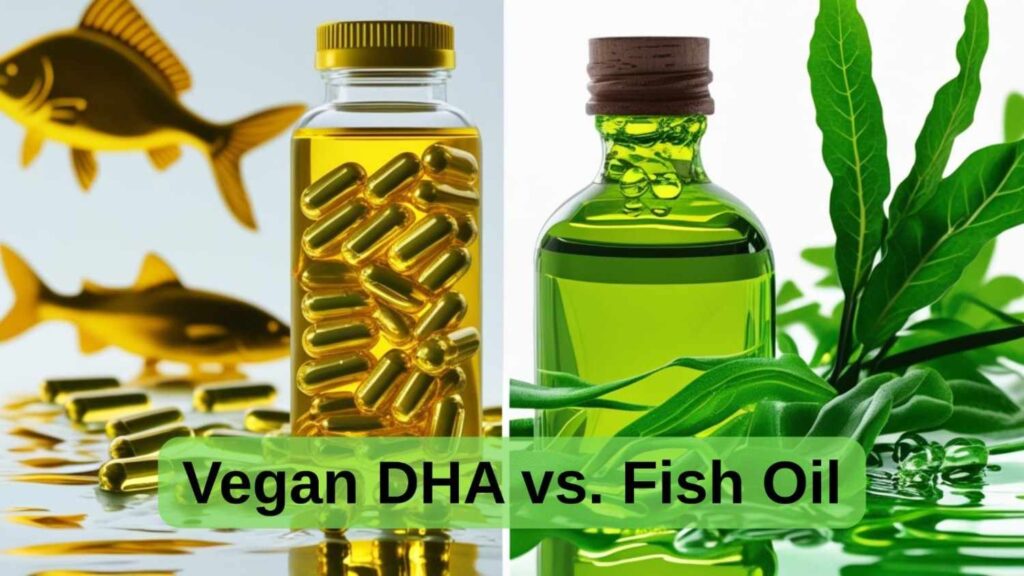
Two bottles, both claiming 500mg DHA per serving. Same number on the front, similar price, same promise. On paper, they look like the exact same product.
They might not perform the same way once they’re actually in your body. I learned this while researching supplements for VeganVitaa, the chemical form that DHA is bound in can meaningfully affect how much of it your body actually absorbs, and almost nobody checks that before buying.
This is where vegan omega 3 absorption form starts mattering alongside the dose printed on the label. A big number doesn’t guarantee your body uses all of it. DHA dose still matters, but the chemical form and how you take it can also affect absorption, and neither number tells the full story on its own.
Why the DHA Number Alone Doesn’t Tell the Full Story
A label says 500mg. That’s the amount going into your mouth, not necessarily the amount your body ends up using.
Fatty acids like DHA get delivered in different chemical structures, and research shows these structures aren’t fully interchangeable when it comes to absorption. Some forms tend to absorb more efficiently than others. This matters because two products can list the exact same dose and still leave you with different amounts of usable DHA once digestion is done, even if the gap isn’t always dramatic.
This isn’t a fringe detail either. Specific studies comparing re-esterified triglyceride (rTG) forms against ethyl ester or standard triglyceride forms found bioavailability differences in the range of 20 to 70 percent, depending on the exact forms and conditions being compared. That’s not a universal rule for every possible form pairing, but it does show the gap can be substantial in certain cases.
Form alone shouldn’t be used to estimate exactly how much DHA your body will use though. It’s one input among several, not a precise calculator.
The Main Forms DHA Comes In
Every omega-3 product delivers its DHA in one of a few structural forms. A quick overview helps explain why absorption isn’t identical across brands.
- Triglyceride (TG) form — the natural structure DHA exists in within fish and algae, generally absorbs reasonably well, especially alongside a meal containing some fat
- Ethyl ester (EE) form — a more processed structure, more commonly seen in concentrated fish oil products than in vegan algal oil, generally considered less efficiently absorbed
- Phospholipid form — found in some krill-derived products and select formulations, shows strong absorption in research, though less common and usually pricier
- Re-esterified triglyceride (rTG) form — TG processed back into its natural shape after concentration, shown in several studies to absorb better than standard EE
Vegan algal oil is often naturally close to triglyceride form to begin with, since that’s how the algae itself stores DHA. That said, this varies by brand and by how the oil is processed and concentrated, so it’s not a guarantee across every product on the shelf.
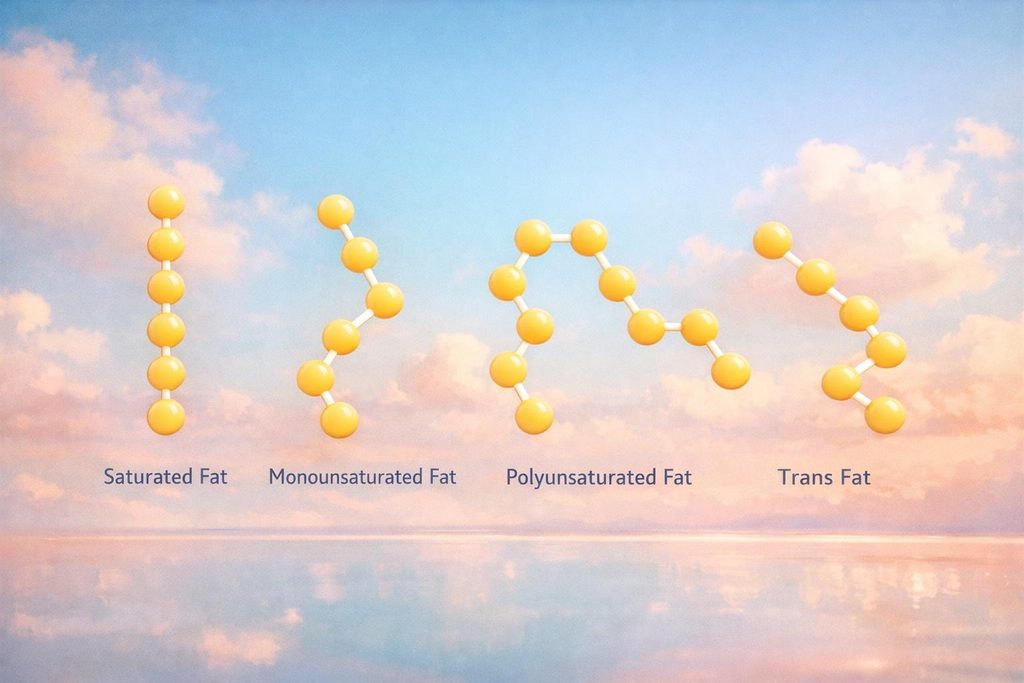
Vegan Omega 3 Absorption Form — What the Research Actually Shows
Here’s where the science gets genuinely interesting, and genuinely underreported on most product pages.
A comprehensive review on EPA and DHA bioavailability found that absorption differences between forms show up consistently across studies, even when total intake stays fixed. Fat co-ingestion plays a role too. DHA tends to absorb better when taken with a meal that contains some fat, largely regardless of which structural form it’s in.
One detail that stood out while researching this: acute bioavailability differences, the kind measured in the hours right after taking a capsule, don’t always hold up the same way over weeks of regular use. Chronic supplementation seems to narrow some of these gaps, though not consistently across every form studied. The same review also points out that standardized methods for comparing bioavailability across commercial brands still don’t fully exist, which is part of why this information rarely makes it onto a product label.
Worth being direct about one thing. None of the major vegan omega-3 brands I’ve reviewed while researching this site specify absorption form on their labels at all. Not triglyceride, not ethyl ester, nothing. That’s not necessarily a red flag on its own, most brands simply don’t disclose it, but it does mean you’re rarely getting the full picture from the label alone.
If you’ve been comparing DHA doses across brands and noticed results feel inconsistent, this is a plausible part of the answer. For the fuller comparison on high-potency options, I’ve already covered verified picks in Best High DHA Vegan Omega 3 in India — Top High Potency Picks
Does Algal Oil Absorb as Well as Fish Oil?
Generally, yes, though it depends on the specific product and its structural form, same as everything else covered here.
Algal oil’s naturally triglyceride-leaning structure gives it a reasonable starting advantage over ethyl ester fish oil concentrates specifically. Where things get less clear is when a brand concentrates its algal oil to hit a higher DHA percentage, since that process can sometimes shift the fat structure in ways the label doesn’t disclose.
This absorption question deserves its own deeper look, which I’ve already put together separately in Vegan DHA Absorption in India: Does Algal Oil Work as Well as Fish Oil?
What This Means When You’re Comparing Two “High DHA” Products
Once you know form plays a role, the buying decision shifts slightly.
- Check if the label or brand mentions triglyceride form specifically, rather than just “algal oil” as a vague catch-all
- Ask the brand directly if absorption or bioavailability testing exists, separate from basic DHA concentration testing
- Take it with a meal containing some fat, regardless of which product you choose, since this measurably supports absorption
- Don’t assume the highest DHA number automatically wins if a lower-dose competitor uses a better-documented form
- Treat identical DHA numbers on two labels as a starting point for comparison, not proof of identical performance
None of this requires a chemistry background to act on. It mostly means asking one extra question before you buy, either through customer support or by checking whether the ingredient list mentions structural form at all.
Is a Higher DHA Dose Ever Simply Better, Regardless of Form?
Often, yes. If two products use a comparable absorption form, and one delivers more DHA per serving, the higher-dose option likely gives you more usable DHA, all else being equal.
The comparison gets murkier only when you’re weighing products across genuinely different forms. A 500mg product using a well-absorbed form and a 600mg product using a less efficient one aren’t a straightforward “more wins” comparison anymore. The actual usable DHA reaching your system could end up closer than the label numbers alone suggest, though exactly how close depends on specifics that most labels never share.
FAQs
Q. Does the form of DHA really make a meaningful difference?
In certain comparisons, yes. Studies looking specifically at rTG versus EE or standard TG forms found gaps as wide as 20 to 70 percent. That’s not true of every form comparison, but it shows the difference can be real.
Q. Is algal oil naturally in triglyceride form?
Often, which works in its favor. Concentration processing can shift this in some products, so it’s a reasonable thing to ask about rather than assume.
Q. Should I stop buying high-DHA products because of this?
No. A solid DHA dose combined with a well-absorbed form is still the goal, and that’s exactly what I looked for while putting together Best High DHA Vegan Omega 3 in India
This is about not judging a product on dose alone, not about avoiding high-DHA products.
Q. Does taking omega-3 with food actually help with absorption?
Yes, and the research is fairly consistent on this one. A meal with some fat in it supports DHA absorption regardless of structural form.
Q. How would I know what form a product uses if the label doesn’t say?
Check the brand’s official website, or message them directly. If a brand can’t answer a straightforward question like that, treat the silence as information on its own.
Conclusion
DHA dose still matters, but vegan omega 3 absorption form plays a role too, and whether you take it with food can shape how much your body actually absorbs. Neither number should be used alone to predict exactly how much DHA ends up doing something useful.
Next time you’re comparing two vegan omega-3 products with matching DHA figures, ask about form before assuming the numbers tell the whole story.
About the Author
Kamal Mishra is a health & nutrition writer and vegan wellness advocate. He is the founder of VeganVitaa – India’s trusted vegan DHA resource for plant-based families.
For more in-depth information, explore our related guides below to better understand vegan DHA, algal oil, and choosing the right supplement. Blog
Disclaimer: This article is for educational purposes only. Always consult your paediatrician before starting new supplements.