
This blog was updated in 25th September 2026 to provide the latest information and research on Omega 3 for Heart Health in India.
Every 4 minutes, one Indian dies of a heart attack.
India accounts for nearly 60% of the world’s heart disease burden despite having less than 20% of the global population.
Not from junk food. Not from smoking. Many of them were vegetarians who believed their diet was protecting them.
That assumption is one of the most dangerous in Indian health culture.
India’s heart disease numbers are among the worst in the world and vegetarians are not exempt. High refined carbs, chronic stress, sedentary jobs, and omega 6 heavy cooking oils create the exact inflammatory environment that damages arteries. Meat on the plate or not.
The missing piece? Direct EPA and DHA – the two omega 3 forms that research links to lower triglycerides, healthier arteries, and reduced heart risk.
Omega 3 for heart health in India is a conversation that rarely happens especially for vegetarians who assume they are already doing enough.
At VeganVitaa, I hear this from readers regularly. This guide is for them.
The Vegetarian Heart Myth – Why You Are Not as Safe as You Think
Most vegetarian Indians carry a quiet confidence about their heart health. No red meat, no processed food, home cooked meals – what could go wrong?
Quite a lot, actually.
Sunflower oil, soybean oil, refined vegetable oil – the backbone of Indian cooking. All extremely high in omega 6. When omega 6 dominates and omega 3 is consistently low, the body stays inflamed. That inflammation damages blood vessels – meat on the plate or not.
White rice, maida, sugar on top of that – insulin spikes, more inflammation, same arteries taking the hit.
Vegetarian Indians are often dangerously low on direct EPA and DHA – the omega 3 forms that actively fight this. Flaxseeds and walnuts give ALA, but less than 5% converts into usable EPA and DHA.
That gap builds quietly for years.
Most people find out only when a routine checkup shows high triglycerides or early arterial stiffness. By then, the damage has already started.
For more on why this gap is so widespread – DHA Deficiency in Indian Vegetarians and Vegans

What Omega 3 Does to Your Heart – 4 Specific Things
Most people know omega 3 is “good for the heart.” Very few know exactly why and the specifics matter.
Triglycerides come down.
High triglycerides are one of the most common findings in Indian adults – vegetarians included. EPA and DHA directly reduce triglyceride production in the liver. Multiple large trials confirm this consistently. For Indians eating a carbohydrate-heavy diet, this single benefit alone makes omega 3 worth taking.
Arterial inflammation reduces.
Inflamed arteries are stiffer, narrower, and more prone to blockage. EPA works on the inflammation itself- not just masking it the way a painkiller does. Over time, that difference shows up in how your arteries actually feel and function.
Blood pressure gets support.
DHA helps blood vessels stay flexible. Flexible vessels handle pressure better. Over consistent supplementation, modest but meaningful blood pressure improvements have been seen in multiple studies.
HDL improves.
HDL – the good cholesterol; tends to improve with regular omega 3 intake. Better HDL means better ability to clear LDL from arterial walls. For Indian vegetarians already dealing with lipid imbalances, this matters.
| What Omega 3 Helps | How Long It Takes |
| Triglycerides | 6-8 weeks |
| Arterial inflammation | 8-12 weeks |
| Blood pressure | 10-12 weeks |
| HDL cholesterol | 12+ weeks |
None of this happens fast. But India has one of the youngest average ages for first heart attacks in the world. Consistent, early nutritional support is not optional — it is urgent.
The Indian Kitchen Problem Nobody Talks About
Here is something most heart health guides skip entirely.
The cooking oil sitting in your kitchen right now is probably making your heart work harder and most people have no idea.
Sunflower, soybean, and refined vegetable oils dominate Indian kitchens. All of them are extremely high in omega 6. The human body needs omega 6 and omega 3 in a balanced ratio – ideally around 4:1. In most Indian vegetarian households, that ratio is closer to 20:1 or even higher.
What does that mean practically?
When omega 6 is this dominant, it competes with omega 3 for the same cellular pathways. Whatever little EPA and DHA you are getting from food or supplements – gets partially blocked by the excess omega 6. Your supplement works at a fraction of its potential.
Three simple kitchen changes that help:
- Switch daily cooking oil to mustard oil – better omega 3 to omega 6 ratio than sunflower or soybean
- Add a spoonful of ground flaxseed to roti dough or dal daily – supports ALA intake
- Reduce deep frying frequency – high heat further oxidizes omega 6 oils and increases inflammatory load
These three changes will not fix everything. But they stop the daily damage that makes omega 3 supplementation less effective than it should be.
For why Indian diets specifically create this gap – Why Indian Diets Lack DHA
Omega 3 for Heart Health in India – What the Research Actually Shows
I want to be honest here because the research on omega 3 and heart health is strong in some areas and more complicated in others.
The clearest evidence is on triglycerides.
A large meta-analysis published in the Journal of the American Heart Association found that omega 3 supplementation significantly reduced triglyceride levels across multiple populations. This is not one small study – it is consistent, replicated evidence across thousands of patients.
For Indian vegetarians, this matters more than most people realise. High triglycerides are extremely common here driven by refined carb heavy diets and years of near-zero EPA and DHA intake. Addressing this with algal DHA is one of the most direct things a vegetarian Indian can do for their heart.
Where it gets more complicated – overall heart attack prevention.
Some large trials show significant reduction in cardiovascular events with high dose omega 3. Others show more modest results. The honest truth is that omega 3 is not a guaranteed shield against heart attacks. It reduces key risk factors – triglycerides, arterial inflammation, blood pressure but it cannot promise to prevent every event.
For Indian vegetarians dealing with high triglycerides, borderline blood pressure, and chronically low EPA and DHA – that risk reduction is still worth taking seriously.
For a detailed daily dosage breakdown – Vegan DHA Dosage Per Day
The NIH also has a comprehensive cardiovascular overview for anyone who wants to go deeper – NIH Omega 3 Heart Health
Algal Oil vs Fish Oil – Which One Actually Protects Your Heart Better?
Most vegetarian Indians have never even considered this comparison. Fish oil was never on the table – literally.
But understanding why algal oil is not just a substitute but actually a better choice for many Indian hearts – matters.
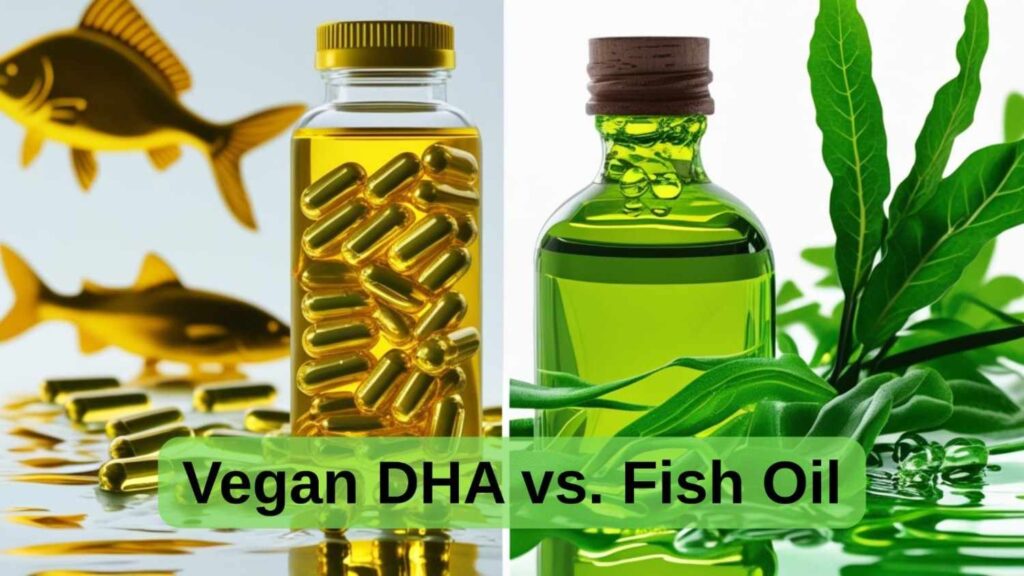
Both fish oil and algal oil deliver direct EPA and DHA. The heart health benefits come from these two forms. They are equal on that level.
Where they differ is everything around the delivery:
| Factor | Fish Oil | Algal Oil |
| Source | Ocean fish | Microalgae |
| EPA + DHA | Yes | Yes |
| Mercury risk | Possible | Zero |
| Microplastics | Possible | Zero |
| Smell/Burps | Common | None |
| Vegetarian | No | Yes |
| Sustainability | Lower | Higher |
For vegetarian Indians, that table ends the debate before it starts.
But there is one more thing worth knowing – algal oil is actually the original source. Fish do not produce DHA and EPA. They eat algae. Every heart benefit people credit to fish oil – it all started in algae. Fish are just the middlemen.
Key heart benefits of algal oil specifically:
- No mercury or ocean contaminants affecting absorption quality
- Easier on digestion – less likely to cause the nausea that makes people stop taking fish oil consistently
- Consistency matters most for heart health – and algal oil is easier to take daily without side effects
- Available in pure vegetarian capsules – no gelatin, no animal products
For a detailed comparison of fish oil and vegan omega 3 – Fish Oil vs Vegan Omega 3
Best Vegan Omega 3 for Heart Health – What to Take and How Much
For heart health specifically, EPA matters as much as DHA – sometimes more. Choose a supplement that clearly shows both on the label.
At VeganVitaa, these are the three I point people toward when they specifically mention triglycerides or heart health in their messages. These are the three most common brands VeganVitaa readers have reported back on positively specifically for triglyceride improvement:
Origins Nutra Algal Omega-3
Provides both EPA and DHA from algal oil, making it relevant for vegetarians looking for a plant-based omega-3 with both fatty acids. Independent testing has also found EPA and DHA in the product.
Deva Vegan Omega 3
Globally trusted brand, third-party tested, algal oil based. Reliable EPA and DHA numbers – no guessing. Good for anyone who wants international quality standards.
Zeroharm Vegan Omega
Provides both EPA and DHA from a plant-based source, with 75 mg EPA and 125 mg DHA listed per serving. Independent testing has also detected both EPA and DHA, making it another option to consider when comparing vegan omega-3 supplements.
Disclaimer: This post contains affiliate links. If you buy through these links, I may earn a small commission at no extra cost to you. It helps me keep sharing useful content with you.
How much do you need for heart health?
| Goal | Daily EPA + DHA |
| General heart protection | 1000mg |
| High triglycerides | 1500 to 2000mg |
| Borderline blood pressure | 1000 to 1500mg |
| Long term maintenance | 500 to 1000mg |
Start with one capsule daily – always with your main meal. Build up gradually based on your specific situation.
One thing I always say – if you are already on heart medication, statins, or blood thinners, have a conversation with your doctor before increasing your omega 3 dose. Better safe than sorry.
For a complete guide on algal oil options in India – Best Algal Oil India
For affordable options that still deliver real EPA and DHA – Affordable Vegan DHA Sources in India
FAQs
Q. Can omega 3 actually reduce heart disease risk for vegetarians?
It reduces the key risk factors – triglycerides, arterial inflammation, blood pressure. Not a guarantee against heart attacks. But for vegetarian Indians low on EPA and DHA for years, addressing that gap matters.
Q. How long before omega 3 improves my triglycerides?
Most people see improvement within 6 to 8 weeks. Get a blood test at week 8 – let the numbers tell you.
Q. Is algal oil as good as fish oil for heart health?
Same EPA and DHA. Same benefits. No mercury, no smell. For vegetarian Indians – cleaner option, easier choice.
Q. Can I take omega 3 with my heart medication?
Usually yes. But if you are on blood thinners or statins – check with your doctor first before increasing dose.
Q. My diet is healthy. Do I still need omega 3?
Probably yes. A vegetarian diet without direct EPA and DHA still leaves your arteries without one of the most important anti-inflammatory nutrients they need. Food alone rarely closes this gap.
Conclusion
Heart disease does not give you a warning. It just shows up. And in India, it is arriving earlier than almost anywhere else in the world – often in people who thought their vegetarian diet was enough protection.
Omega 3 for heart health in India is not a trend or a marketing claim. The research on triglycerides, arterial inflammation, and blood pressure is consistent and real. What has been missing is the conversation specifically for the millions of vegetarian Indians who were never told that direct EPA and DHA from algal oil exists and matters for their heart.
You don’t have to change your eating habits. You do not need expensive protocols.
One clean algal oil supplement daily – with your main meal – consistently for 8 to 12 weeks. Check your triglycerides before and after. Let your blood work do the talking.
At VeganVitaa, I tracked my own triglyceride levels before and after 12 weeks of algal DHA – the difference was significant enough that I made it a permanent part of my routine.
Most vegetarian Indians have been running on a heart that never got this one thing. Starting now still counts.
Start Here – One Simple Step for Your Heart
Check your current omega 3 supplement. Does it clearly show both EPA and DHA on the label?
If not – that is your first fix.
Pick Wellbeing Nutrition, Deva, or GetMyMettle from the options above. After lunch or dinner, take one capsule every day. Stay consistent for 10 weeks minimum.
Then get your lipid profile tested. The numbers will show you exactly what changed and why it was worth starting.
About the Author
Kamal Mishra is a health & nutrition writer and vegan wellness advocate. He is the founder of VeganVitaa – India’s trusted vegan DHA resource for plant-based families.
Further Reading on VeganVitaa:
For more in-depth information, explore our related guides below to better understand vegan DHA, algal oil, and choosing the right supplement. Blog
- Vegan Omega 3 for High Triglycerides in India
- Best Vegan Omega 3 with EPA and DHA in India
- DHA Per Capsule vs Per Serving
Disclaimer: This article is for educational purposes only. Always consult your paediatrician before starting new supplements.
Disclaimer: This post contains affiliate links. If you buy through these links, I may earn a small commission at no extra cost to you. It helps me keep sharing useful content with you.

Pingback: Omega 3 for Thyroid Health in India — Can Vegan DHA Help?
Pingback: Best Vegan Omega 3 for Men in India — Top 5 Picks