This blog was updated in 5th October 2026 to provide the latest information and research on Omega-3 for Diabetes in India.
Joint pain in India is not just an old age problem anymore. People in their thirties and forties are waking up with stiff knees or a shoulder that aches for weeks, and most of us do what we have always done: ignore it, get used to it, or take a painkiller and move on. If you are vegetarian, you may have also wondered about omega 3 for joint pain in India, and whether it is even an option when fish oil is off the table.
Let me say upfront that omega 3 is not a cure for joint pain. Joint pain can come from many things, including arthritis, an old injury, extra weight, low vitamin D, or high uric acid, so the first step is always to find out what is causing it. Omega 3 fats, mainly EPA and DHA, are being studied for their role in inflammation, and some studies suggest they may help certain people with joint pain. The results are not the same for every type of arthritis.
If you don’t eat fish, algal oil is a plant-based way to get EPA and DHA. Many people assume plant-based omega 3 is too weak to matter, but algae is where fish get their omega 3 in the first place.
I have been vegetarian for 15 years, so I know how little fish-free omega 3 information there is for Indian readers. That is why I wrote this guide.
In this guide, I’ll explain what the research says, where it is still unclear, and what to look for on the label if you are thinking about a vegan omega 3 supplement. It does not replace your doctor’s advice, physiotherapy, or your medication.
What I Hear from Indian Readers About Joint Pain
Over the past year, a pattern keeps showing up in messages from VeganVitaa readers.
Someone in their late thirties or forties. Vegetarian their whole life. Eating carefully, avoiding junk, taking care of themselves by every standard they know. And still; knee pain that worsens by evening, shoulder stiffness every morning, fingers that ache before the day has properly started.
Most of them have already tried painkillers. Some have done physiotherapy. A few have changed their diet based on advice from well-meaning relatives.
Nobody has asked them about omega 3.
Why Joint Pain Is So Common in Indian Vegetarians
India has one of the highest rates of inflammatory joint conditions in the world and the traditional Indian vegetarian diet, despite being genuinely healthy in many ways, has one structural problem that most people never address.
It gives you almost no direct EPA or DHA – the two forms of omega 3 your joints actually need.
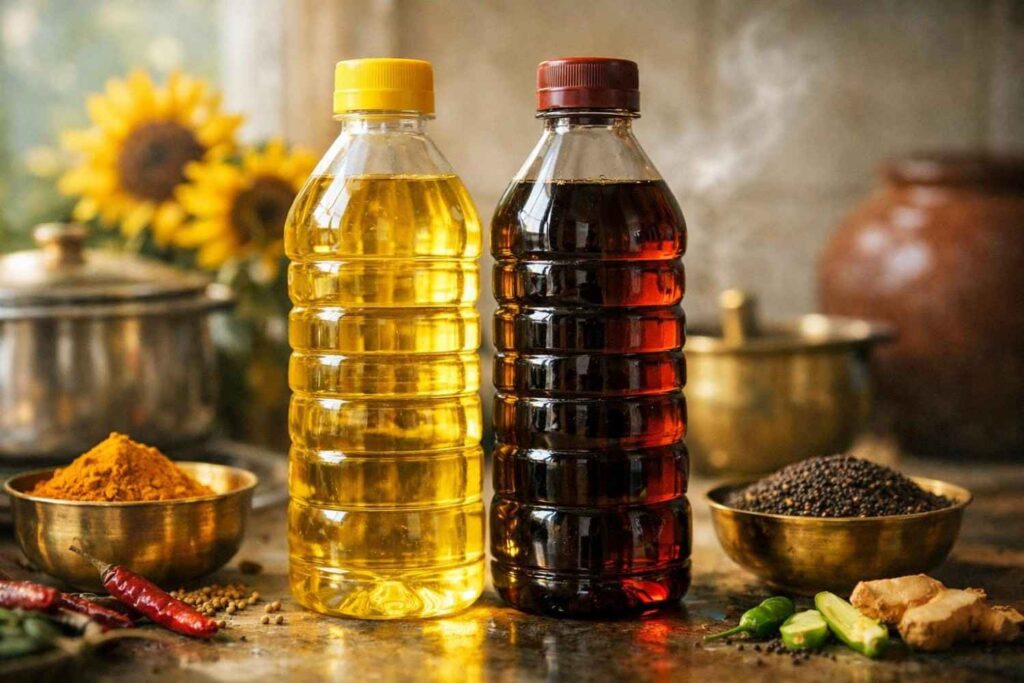
Most Indian cooking oils – sunflower, soybean, refined vegetable oil are extremely high in omega 6 fats. When omega 6 intake is consistently high and omega 3 is consistently low, the body stays in a pro-inflammatory state.
That inflammation has to go somewhere. For most people, it goes to the joints – stiffness in the morning, swelling after activity, pain that painkillers quiet down but never actually resolve.
Flaxseeds and walnuts provide ALA – a plant-based omega 3. But ALA has to be converted into EPA and DHA before the body can use it for anti-inflammatory work. That conversion is poor – sometimes less than 5%. So even careful vegetarian eaters end up omega 3 deficient without ever realising it.
For more on why this gap is so widespread in Indian diets specifically – Why Indian Diets Lack DHA
How Omega 3 May Help With Joint Pain
You have probably heard that omega 3 is good for joints. Here is what is actually behind that idea.
The inflammation link
Joint pain often comes with inflammation. EPA and DHA are used by the body to make compounds that help manage inflammation. That is why researchers study omega 3 for joint problems.
What studies suggest
Most of the research is on rheumatoid arthritis. Some studies suggest that omega 3, mostly from fish oil, may ease morning stiffness and the number of tender joints in some people. The effect is usually modest, and it is meant to be used along with regular treatment, not instead of it.
Osteoarthritis is less clear
For wear-and-tear knee pain, the results are mixed. Some people report relief, and some studies show little difference.
What we don’t know yet
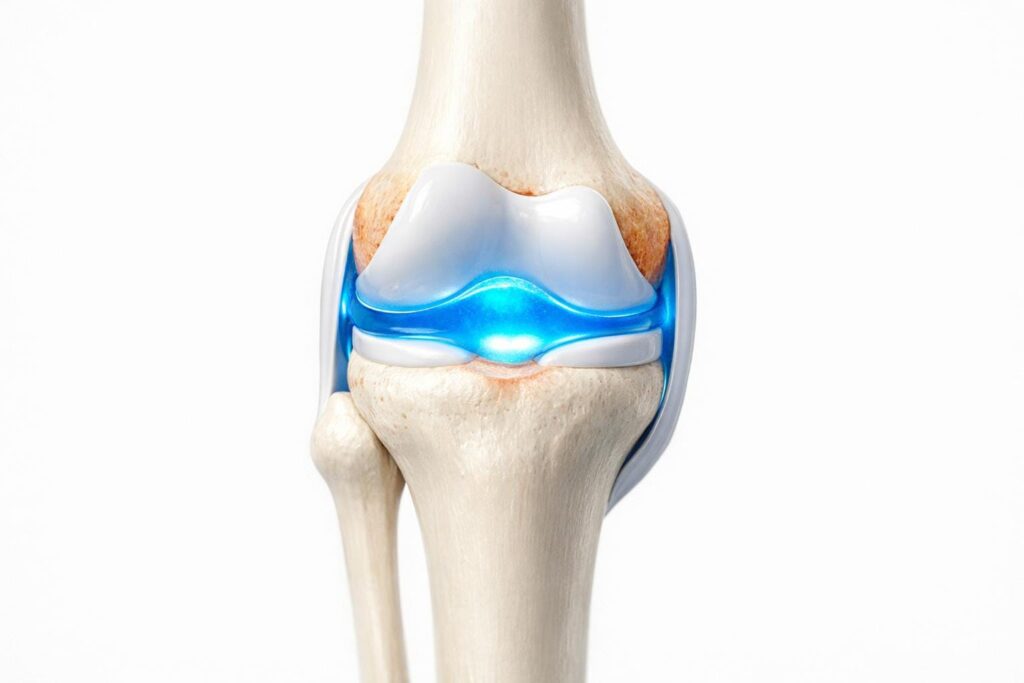
You may see claims that omega 3 repairs cartilage or improves joint fluid. That is mostly from lab studies and early research, and it has not been proven in people. Treat those claims with caution.
EPA vs DHA
Most joint studies used fish oil, which has both. EPA gets most of the attention for inflammation. Algal oil can give you EPA and DHA without fish, but the amounts differ a lot from product to product, so the label matters.
Omega 3 is something that may help some people, not a sure fix. If your joint pain lasts more than a few weeks, see a doctor to find the cause.
Research published in Rheumatology International – a peer-reviewed medical journal – analysed 17 randomised controlled trials and found that omega 3 supplementation significantly reduced joint pain and morning stiffness in people with rheumatoid arthritis. The evidence was consistent across studies, not just one or two trials. Read the full review here
Honest note – omega 3 works better for inflammatory joint conditions like rheumatoid arthritis than for purely mechanical issues where cartilage is already heavily damaged. It is nutritional support that addresses the inflammatory root – not a replacement for medical treatment.
Omega 3 for Joint Pain in India – What the Research Shows
Here is something most Indian joint pain sufferers never find out – some of the most relevant omega 3 research has been done specifically on inflammatory conditions that are extremely common in India.
Rheumatoid arthritis affects roughly 0.5 to 1% of Indians – that sounds small until you realise India’s population makes that millions of people. And beyond rheumatoid arthritis, inflammatory joint pain from lifestyle factors, poor nutrition, and high omega 6 diets affect a much larger number.
The research is encouraging but I want to be honest about what it actually shows and what it does not.
For inflammatory joint conditions – rheumatoid arthritis, psoriatic arthritis, joint swelling from chronic inflammation – omega 3 supplementation has shown consistent benefits across multiple trials. Reduced pain scores. Less morning stiffness. Lower dependence on anti-inflammatory medication in some studies.
For mechanical joint issues – severe osteoarthritis, joint damage from old injuries – the evidence is weaker. Omega 3 can slow further damage and reduce inflammation around the joint, but it cannot rebuild cartilage that is already gone.
Most Indian vegetarians dealing with joint pain fall into the first category – chronic low-grade inflammation from years of omega 3 deficiency and high omega 6 cooking oil consumption. For this group, algal DHA is the most practical thing they can add – and most of them have never been told it exists.
For a deeper look at how widespread DHA deficiency is among Indian vegetarians – DHA Deficiency in Indian Vegetarians and Vegans
For official guidance on omega 3 intake and its role in inflammatory conditions – NIH Omega 3 Health Overview
Vegan DHA for Joint Pain – Why Fish Oil Is Not the Only Answer
For most vegetarian Indians, omega 3 for joint pain has always felt like a conversation that does not include them.
Every article recommends fish oil. Every pharmacist hands you a fish oil capsule. And if you are vegetarian – by choice, by religion, or by upbringing – that conversation ends before it starts.
So most vegetarian Indians with joint pain either take fish oil reluctantly, feeling uncomfortable about it, or give up on omega 3 entirely and assume it simply is not an option for them.
Neither is necessary.
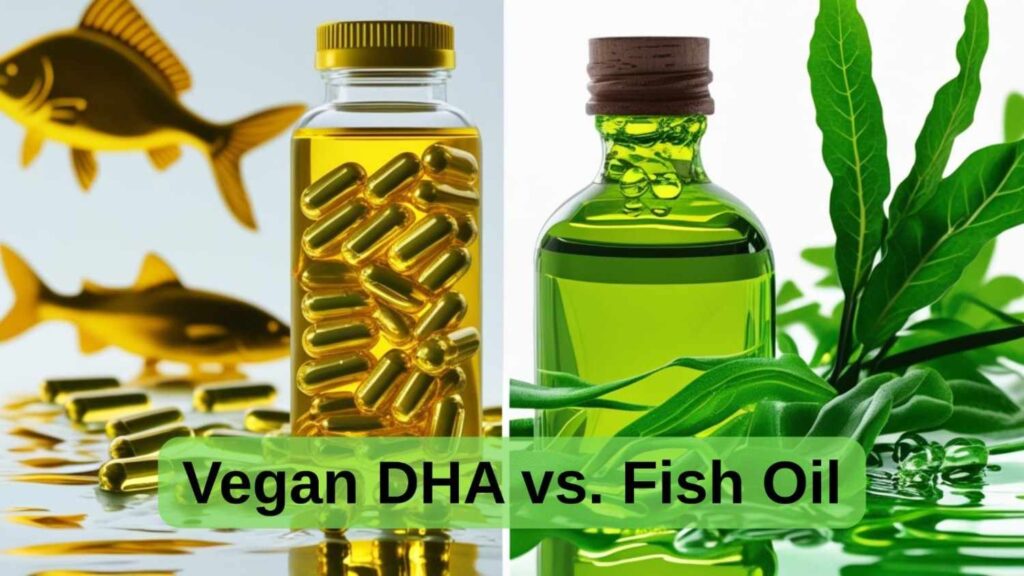
Algal oil provides direct EPA and DHA – the same anti-inflammatory forms found in fish oil – from microalgae. This is the original source. Fish do not make EPA and DHA themselves. They eat algae. Algal oil simply removes the fish from the equation entirely.
For joint pain specifically, EPA matters most. It is the form most directly involved in reducing inflammatory compounds in the body. A good algal oil supplement – one that clearly shows both DHA and EPA on the label – gives vegetarian Indians the same joint support that fish oil users have had access to for decades.
The conversion route through flaxseeds and walnuts simply does not work reliably enough for therapeutic purposes. If your joints are already inflamed and painful, ALA from plant foods will not move the needle. Direct EPA and DHA from algal oil will.
Still wondering how algal oil compares to fish oil for joint health? This honest breakdown covers everything – Fish Oil vs Vegan Omega 3 – Safer Choice for Indian Families.
Best Vegan Omega 3 Supplements for Joint Pain in India
If you are looking at omega 3 for joint pain, don’t pick a bottle by the “1000 mg omega 3” on the front. That is the total oil. What matters is the EPA and DHA per serving, which you will find on the back. EPA gets most of the attention in inflammation research, so I looked at EPA first. Many algal products are mostly DHA and give little or no EPA.
Here are three options that show both on the label:
| Rasayanam | Empire 1900 | Miduty | |
| EPA | 450 mg | 250 mg | about 140 mg |
| DHA | 150 mg | 250 mg | 200 mg |
| Pack | 60 capsules | 60 capsules | 30 capsules |
1. Rasayanam Plant-Based Omega-3
The highest EPA of the three: 450 mg EPA and 150 mg DHA per serving (2 capsules) from algae. Gelatin free. It costs more per day because a serving is two capsules.
2. Empire 1900 Omega-3 Vegan
An even split of EPA and DHA, 250 mg each, from algal oil. A good fit if you want a balanced product rather than an EPA-heavy one.
3. Miduty Veg Omega-3
The lowest EPA here, but it still has both. One capsule gives about 200 mg DHA and 140 mg EPA, and it is the cheapest per day.
A note on DHA-only products: some popular algal capsules, like TATA 1mg Vegetarian Omega (400 mg DHA per capsule), don’t list an EPA amount. They can be fine for general omega 3 intake, but if you are reading about joints, you will want to see an EPA number.
Before you buy, read the back of the pack, because brands change formulas. If you take blood thinners or other regular medicines, check with your doctor first, since omega 3 can interact with some of them.
Disclaimer: This post contains affiliate links. If you buy through these links, I may earn a small commission at no extra cost to you.
If your current supplement is not making a difference for your joints – this explains the most common reasons why – Vegan Omega 3 Not Working in India
For a full comparison of top algal oil options in India – Best Algal Oil India

How Much Omega 3 Do You Need for Joint Pain?
There is no set omega 3 dose for joint pain. No one has established a “right” number for this, and the NIH says experts have not set recommended amounts for EPA and DHA in general (see the NIH fact sheet). So any simple “take X mg daily” you see online is a guess.
It helps to keep two things separate:
What you get from a regular supplement. Most vegan omega 3 capsules give a few hundred milligrams of EPA and DHA per serving. That is a general intake amount, not a joint pain treatment.
What studies have used. Some trials, mostly in rheumatoid arthritis, used much higher doses, often a few grams a day, and they were usually done under a doctor’s care. Higher doses can cause stomach upset and may raise bleeding risk in some people, so this is not something to copy at home.
So what should you do?
- Start by finding out why your joints hurt. Arthritis, vitamin D, and uric acid all need different care.
- If you want to try omega 3, follow the serving size on the label and take it with a meal.
- Check the EPA and DHA numbers separately. Total “omega 3” tells you very little.
- Give it a few months before deciding, and see how you feel.
- If you have rheumatoid arthritis or take blood thinners or other regular medicines, talk to your doctor before starting.
For a detailed breakdown of DHA and EPA dosage based on your specific situation – Vegan DHA Dosage Per Day
Daily Habits That Support Joint Health Alongside Omega 3
Omega 3 works better when your daily routine supports it. These are small changes – practical for an Indian household that make a real difference alongside supplementation.
Switch your cooking oil.
Sunflower and soybean oil dominate Indian kitchens – both extremely high in omega 6. Too much omega 6 directly competes with omega 3 inside the body and reduces its anti-inflammatory effect. Switching to mustard oil for daily cooking is one of the simplest changes you can make. It has a much better omega 3 to omega 6 ratio and supports whatever supplement you are taking.
Add ground flaxseeds daily.
A spoonful in roti dough, dal, or morning curd. They will not replace algal DHA for joint inflammation – but they support your overall omega 3 intake without changing how you cook or eat.
Move – even when it hurts a little.
Most people with joint pain avoid movement which actually makes things worse over time. Gentle movement keeps synovial fluid circulating, reduces stiffness, and slows cartilage breakdown. A 20-to-30-minute walk daily does more for joint health than most people expect.
Reduce refined carbohydrates.
White rice, maida, sugar – all drive insulin spikes that increase systemic inflammation. You don’t have to cut them completely. Reducing them meaningfully — especially at dinner, helps omega 3 work better by lowering the inflammatory load it has to fight against.
Take your supplement with your heaviest meal.
Omega 3 absorbs significantly better with fat. Lunch or dinner – whichever is your main meal – is the right time. Never on an empty stomach.
FAQs
Q. Can omega 3 actually reduce joint pain?
For inflammation-driven joint pain – yes. Not hype. 17 clinical trials showed consistent reduction in pain and morning stiffness. For mechanical damage like severe osteoarthritis – less so. Most Indian vegetarians fall into the first category.
Q. How long will it take for me to notice a difference?
Morning stiffness usually improves first around 4 to 6 weeks. Real pain reduction takes 10 to 12 weeks. Most people quit at week 3 and miss the results entirely.
Q. Is vegan DHA as good as fish oil for joints?
EPA is what matters most for joint inflammation and good algal oil has it. Same benefit, no fish, no mercury. For vegetarian Indians it is honestly the cleaner choice.
Q. Can I take omega 3 with my joint medication?
Usually yes. But if you are on blood thinners or long-term NSAIDs- check with your doctor first. Mild blood-thinning effects may occur at higher doses.
Q. Which vegan omega 3 is best for joint pain in India?
Empire 1900 and Rasayanam – both clearly show EPA on the label. Miduty if budget is the priority. Always check EPA is mentioned separately not just total omega 3.
Conclusion
Joint pain in India is being managed – rarely fixed.
Most vegetarian Indians dealing with stiff knees, aching shoulders, or morning joints that take an hour to loosen up have tried painkillers, physiotherapy, home remedies. Very few have ever been told that a simple nutritional gap might be quietly making everything worse.
Omega 3 for joint pain in India is not a miracle cure. It will not rebuild damaged cartilage or replace your doctor’s treatment.
But for vegetarian Indians whose joints have been inflamed for years on a diet that never once provided direct EPA or DHA – this is the one thing they have never actually tried.
Algal oil makes this accessible for the first time. Clean, plant-based, no fish, no compromise. The same EPA and DHA that joint pain research has been built on – now available without asking anyone to go against what they eat or believe.
Start with one capsule daily after your main meal. Give it 12 weeks. Check your morning stiffness at week 4, week 8, week 12. Let your body tell you whether it is working.
Most people who stick with it are not surprised by a dramatic moment. They just notice one day that mornings feel easier than they used to.
One Small Change for Your Joints – Start Here
Check your current supplement. Does it show EPA clearly on the label- not just DHA or total omega 3?
If not – that is your first fix.
Pick Rasayanam, Empire 1900, Miduty from the options above. One capsule daily with lunch or dinner. Stay consistent for 12 weeks minimum.
Your joints have been working without the right nutrition for a long time. Give them what they actually need and give it enough time to make a difference.
About the Author
Kamal Mishra is a health & nutrition writer and vegan wellness advocate. He is the founder of VeganVitaa – India’s trusted vegan DHA resource for plant-based families.
Further Reading on VeganVitaa:
For more in-depth information, explore our related guides below to better understand vegan DHA, algal oil, and choosing the right supplement. Blog
- Best Vegan Omega 3 for Women in India
- Best Vegan Omega 3 for Men in India
- Best Vegan Omega 3 for Hair Loss in India
- Best Omega 3 Supplement for Kids in India 2026
Disclaimer: This article is for educational purposes only. Always consult your paediatrician before starting new supplements.
Disclaimer: This post contains affiliate links. If you buy through these links, I may earn a small commission at no extra cost to you. It helps me keep sharing useful content with you.