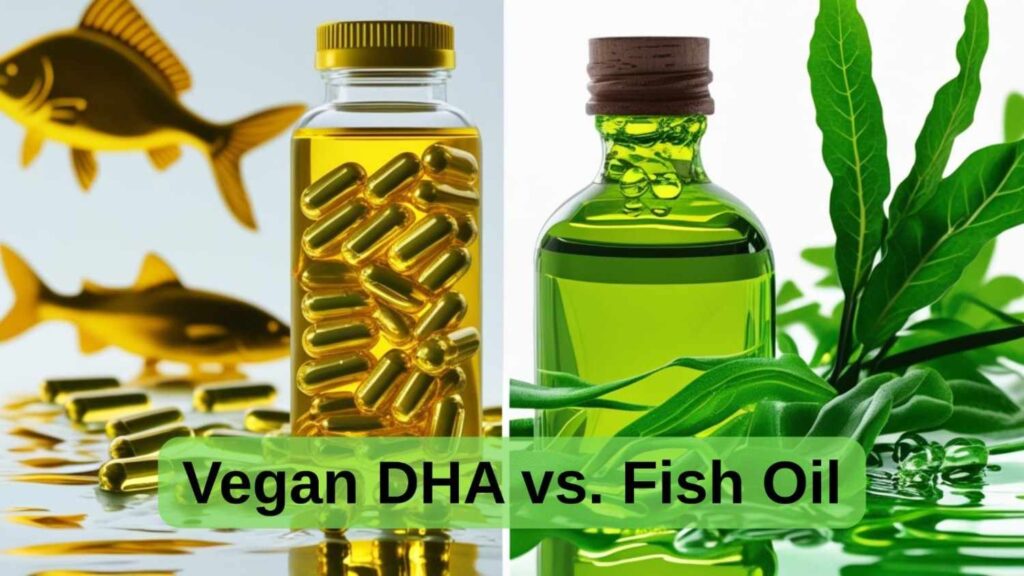
A lot of buyers pick up a vegan omega 3 bottle, see “vegan” printed big on the front, and never look further. Then a friend or family member points out something in the fine print. Gelatin. On a bottle that says vegan.
This mix-up happens more than people realize. The oil inside can be 100% algal and completely plant based, while the capsule shell holding that oil is made from animal gelatin. Two different things, often confused as one.
This is exactly why checking the vegan omega 3 capsule shell vegetarian status matters just as much as checking what’s inside it. The oil gets all the attention. The shell rarely does, and that’s where most label confusion actually starts.
Why Vegan Omega 3 Capsule Shell Vegetarian Status Matters, Not Just What’s Inside
Here’s the thing most people miss. The oil and the shell come from two completely different places.
A brand can source pure algal DHA and EPA, genuinely plant based, and then put that oil inside a gelatin capsule. Gelatin comes from animal collagen, usually cattle or fish. It’s cheaper to make than plant-based shells, so some brands stick with it even while marketing the oil as vegan.
So, a bottle can technically be vegan when it comes to what’s actually giving you the DHA, and still fail as a whole product if you’re strict about avoiding animal ingredients entirely.
Almost every buyer checks where the oil comes from. Almost nobody checks what the capsule itself is made of. That’s the blind spot this guide is written for.
Gelatin vs HPMC — What’s the Actual Difference
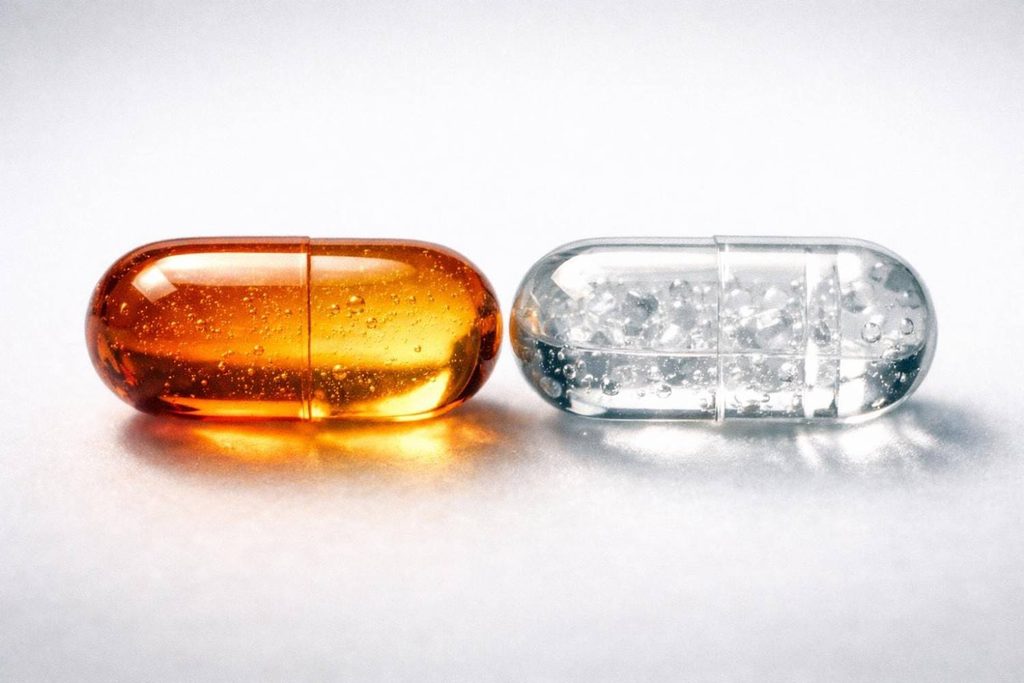
Gelatin and HPMC are the two most common capsule shell materials used in Indian supplements, and they’re not the same thing at all.
Gelatin capsules:
- Made from animal collagen, usually bovine or fish sourced
- Not vegetarian, not vegan, regardless of what’s inside the capsule
- Cheaper to manufacture, which is why some budget brands still use it
- Common in older or non-plant-focused supplement lines
HPMC capsules:
- Made from plant cellulose, genuinely vegetarian and vegan
- Slightly higher manufacturing cost than gelatin
- The shell types any strict vegan buyer should specifically look for
- Increasingly standard among brands positioning themselves as fully plant-based
If a product doesn’t mention HPMC or vegetable cellulose anywhere on the label, that silence itself is worth noticing.
How to Check If a Capsule Shell Is Actually Vegetarian
Reading the front of the label isn’t enough. Here’s what actually confirms it:
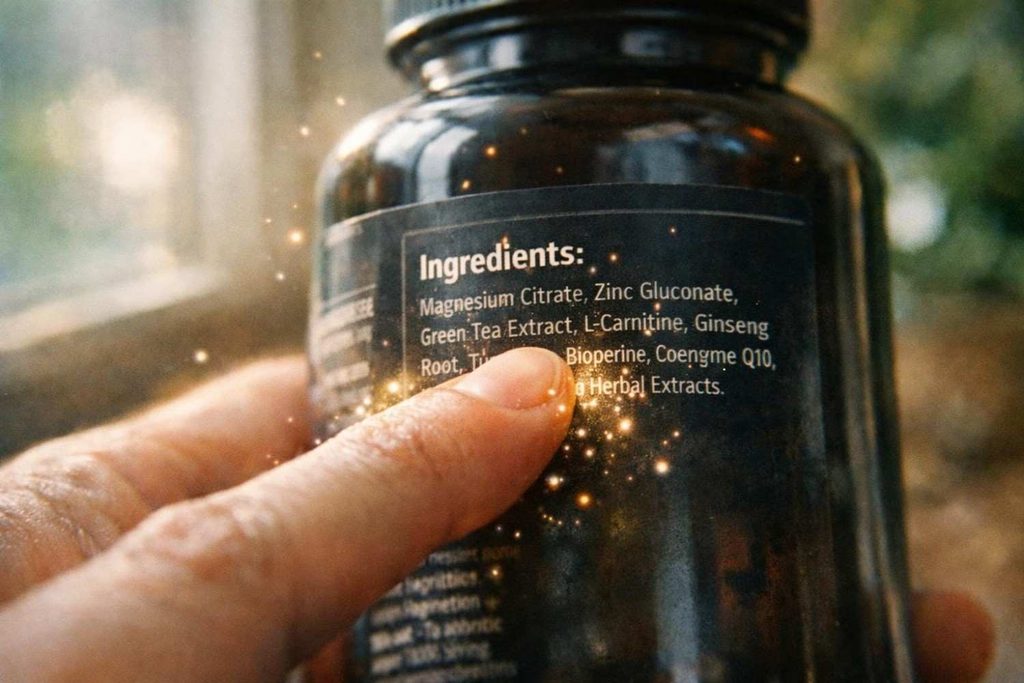
- Look for the word HPMC or vegetable cellulose directly in the ingredient list, not just a general vegetarian claim
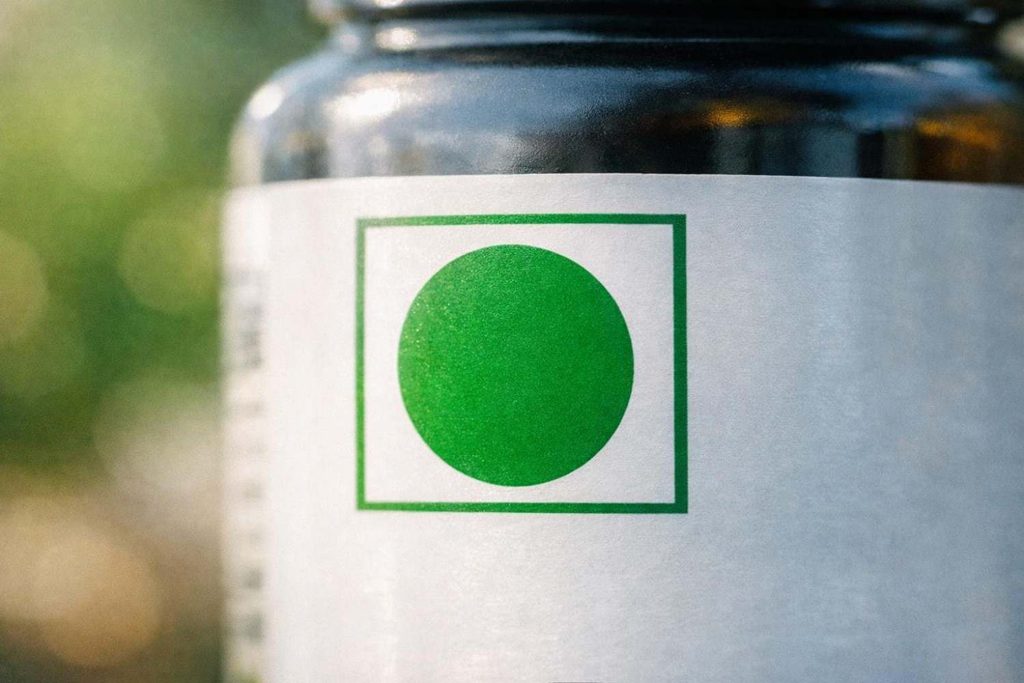
- The green dot symbol shows vegetarian intent, but it’s not proof on its own, check the ingredients too
- If the shell material isn’t mentioned anywhere on the label, treat that as a red flag, not a good sign
- Check the Amazon Q&A section for that specific product, other buyers often ask this exact question
- Confirm the FSSAI vegetarian logo is present alongside the actual ingredient breakdown
These five checks take less than two minutes once you know what to look for, and they save you from returning a product later. If you’re also unsure how to read the DHA and EPA numbers themselves, this guide breaks that down clearly too: How to Read Omega 3 Label: Simple DHA, EPA and ALA Guide for Vegans
Common Label Tricks to Watch for in India
A few patterns show up again and again on Indian supplement labels, and knowing them saves you from an unpleasant surprise later.
- “Vegetarian source” claims that describe only the oil, while staying silent on the shell material
- Front-of-bottle vegan claims with gelatin listed quietly in the back fine print
- No mention of shell material at all, often the biggest warning sign
- Green dot symbol used alone, without any ingredient-level confirmation
For lacto-vegetarian buyers, gelatin capsules are usually a dealbreaker once noticed. For strict vegans, it’s a non-negotiable exclusion regardless of how clean the oil itself is.
The NIH’s Dietary Supplement Label Database is a useful reference for understanding how ingredient lists on supplement labels are meant to be read. NIH Dietary Supplement Label Database.
Which Vegan Omega 3 Brands in India Confirm HPMC Shells
Which Vegan Omega 3 Brands in India Confirm HPMC Shells
A few brands do state their capsule shell material clearly, instead of leaving buyers to guess. Based on current label information, these four confirm vegetarian or HPMC shells alongside algal DHA:
- Carbamide Forte Vegan Omega-3 — shell listed as a specialized vegetarian capsule (INS 464), with confirmed algal DHA
- Deva Vegan Omega-3 — softgel made from tapioca starch and cellulose, gelatin-free and carrageenan-free
- Himalayan Organics Omega 3-6-9 — confirms DHA content clearly, though EPA isn’t separately stated on the label
- Ovega HPMC Vegan Capsule — capsule shell explicitly named HPMC, with 500mg algal DHA per serving
This isn’t a full comparison, just a starting point. For a detailed breakdown of EPA, DHA content, pricing, and full label comparisons across top picks, this guide covers it properly: Best Vegan & Vegetarian Omega 3 Capsules in India 2026 | Top 5 DHA Picks
Packaging and formulations change over time, so always confirm current shell material on the listing before ordering, not just what a blog says today.
Frequently Asked Questions
Q. Is every “vegetarian” labelled capsule automatically vegan?
Not really. Vegetarian labelling can still let through certain animal-derived ingredients that a strict vegan wouldn’t accept. The safest move is checking the shell material by name, not just trusting the word vegetarian on the front.
Q. Does the capsule shell affect how well DHA gets absorbed?
Not in any meaningful way. Both gelatin and HPMC shells break down properly once they reach your stomach. The shell’s job is just to hold the oil until then; it doesn’t change how your body absorbs the DHA itself.
Q. Are HPMC capsules safe to take every day, long term?
Yes. HPMC has been used across the supplement industry for years and is considered safe for regular daily use.
Q. What if I can’t tell from the label alone?
Check the full ingredient list first, not just the front packaging. If it’s still unclear, the Amazon Q&A section for that product usually has someone who already asked and got a direct answer from the seller.
Conclusion
Checking the vegan omega 3 capsule shell vegetarian status takes one extra look at the ingredient list, but it’s the difference between actually following your diet and unknowingly breaking it. The oil matters, but the shell holding it matters just as much.
Before you buy, look for HPMC or vegetable cellulose stated clearly, not just a front-label vegetarian claim. If it’s not mentioned anywhere, treat that as your answer.
For a full comparison of verified vegan and vegetarian omega 3 capsules in India, including which ones confirm HPMC shells alongside their EPA and DHA content, check this guide next: Best Vegan & Vegetarian Omega 3 Capsules in India 2026 | Top 5 DHA Picks
About the Author
Kamal Mishra is a health & nutrition writer and vegan wellness advocate. He is the founder of VeganVitaa – India’s trusted vegan DHA resource for plant-based families.
For more in-depth information, explore our related guides below to better understand vegan DHA, algal oil, and choosing the right supplement. Blog
Disclaimer: This article is for educational purposes only. Always consult your paediatrician before starting new supplements.