Bad sleep has a way of making people search for supplements at 2am, and vegan omega 3 for sleep in India comes up in that search more often than you’d think. One thing needs saying upfront though, it may support normal brain and nervous-system function involved in sleep, but it should not be treated as a sleep medicine.
This guide compares what the actual evidence says, what to check before buying, and three vegan omega 3 products worth considering, not a random list pulled from wherever ranks highest on Amazon. This is the kind of question we get asked often at VeganVitaa, so it’s worth laying out properly, evidence first.
Vegan Omega 3 for Sleep in India — What Does the Evidence Actually Say
DHA is an important structural omega-3 fatty acid in the brain, which is one reason researchers are interested in its possible connection with sleep. That’s a very different statement from “DHA regulates your sleep cycle,” and the distinction matters.
A few honest points worth knowing before you buy anything:
- Sleep quality, sleep efficiency, sleep latency, and sleep duration are separate outcomes, and most existing research looks at some of these more than others
- The evidence connecting omega 3 to sleep is promising, not settled
- Omega 3 is not proven to treat insomnia, and nothing in this guide should be read as suggesting otherwise
- Brands sometimes stretch preliminary research into confident marketing claims that the actual studies don’t fully support
That gap, proven versus printed on a bottle, is worth knowing before you spend money expecting a fix. Sleep is also affected by a dozen things at once, diet, stress, screen exposure, room temperature, existing health conditions, so isolating omega 3’s specific contribution is harder for researchers than it sounds. Part of why the evidence base here is thinner than for something like heart health or cholesterol.
DHA vs EPA for Sleep
DHA has a stronger biological connection with brain structure, while EPA has been studied more broadly in areas such as inflammation and mood. Current evidence does not establish that a DHA-only or EPA-heavy supplement is universally better for sleep.
What actually matters when choosing between them is checking the real DHA and EPA amount on the label, not assuming one ratio is the “correct” one for sleep specifically. Neither is a guaranteed fix, and neither has been shown to outperform the other for this particular use.
For a deeper look at how DHA works in the brain more broadly, this is worth reading — DHA for Brain Health in India — Why Vegetarians Are Running Low on the Brain’s Most Important Fat
What to Check Before Buying
Most of the disappointment with omega 3 supplements traces back to buying the wrong thing, not the supplement failing on its own.
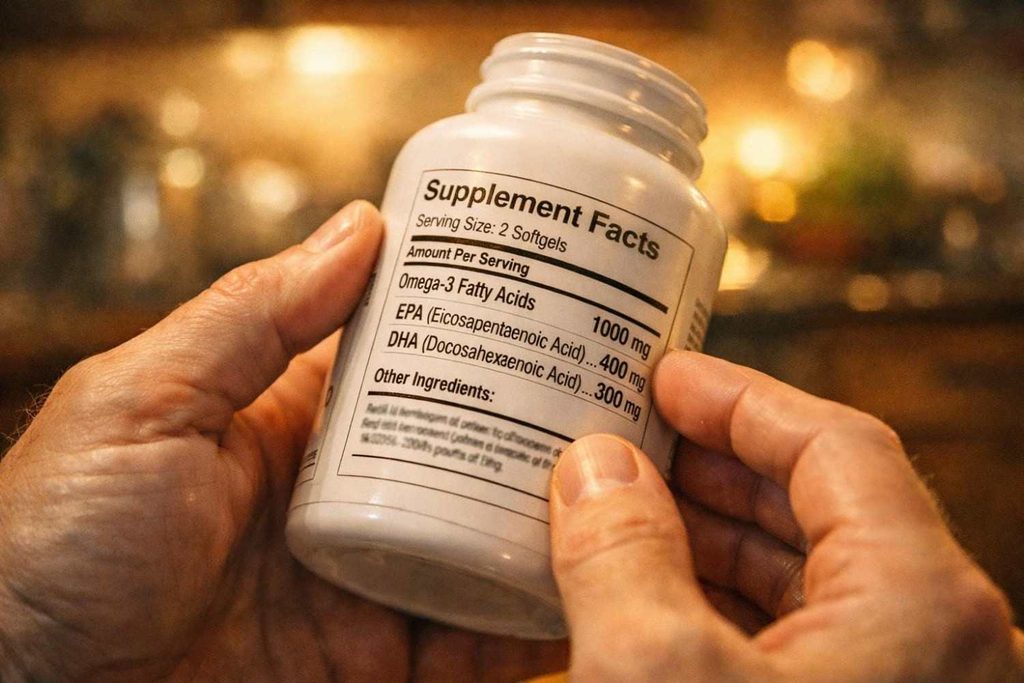
- Actual DHA per daily serving, in mg, not the total oil weight on the front label
- Actual EPA per daily serving
- Total algal oil weight versus actual omega 3 content, these are not the same number
- Confirmed algae source, not a flaxseed or chia blend labelled loosely as omega 3
- Serving size, whether the effective dose needs one capsule or two
- Third-party testing or a certificate of analysis where the brand provides one
- Capsule shell material, HPMC or vegetable cellulose for a genuinely vegetarian or vegan product
- Oxidation or freshness information where available, since omega 3 oils degrade over time
- Cost per day based on actual DHA and EPA delivered
- Overall label transparency, if a brand won’t clearly state its numbers, that’s worth noting on its own
How We Chose These Vegan Omega 3 Products
Three products made this list, evaluated against the same checklist rather than picked at random. What went into that evaluation:
- Actual DHA and EPA amount stated per serving, not just a total oil weight
- Confirmed algae as the source
- How transparent the label is about serving size and dosage
- Whether the brand provides any third-party testing information
- Serving size required to reach the stated dose
- Approximate cost per day based on actual omega 3 delivered
None of this guarantees a specific sleep outcome. It’s simply the criteria used to filter out vague or poorly labelled products before they made this list.
3 Vegan Omega 3 Products Worth Considering in India
These three got evaluated on the checklist above. None of them should be read as clinically proven for sleep or best for insomnia, they’re simply three transparent, algal-source options worth knowing about.
| Product | DHA/day | EPA/day | Total omega 3/day | Capsules/day | Approx cost/day | Source |
| Himalayan Organics Vegan Omega 3 | 560mg | ~80mg | ~640mg | 2 | ~₹12 | Algal oil |
| Rasayanam Plant Omega 3 | ~150mg | ~450mg | ~600mg | 2 | ~₹13 | Algal oil |
| Empire 1900 Vegan Omega 3 | 250mg | 250mg | 500mg | 1 | ~₹9 | Algal oil |
Note: check current label and Amazon India listing before ordering, exact numbers and pricing can change, this table isn’t a substitute for reading the actual bottle in front of you.
Himalayan Organics Vegan Omega 3 — Best DHA-Focused Option
This one carries the highest DHA of the three, 560mg per serving, from confirmed algal oil. EPA is fairly low in comparison.
Most suitable for buyers who specifically want a DHA-focused vegan omega 3, rather than one balanced toward EPA as well. Serving requirement is two capsules daily to reach the stated dose, and EPA content here is low.
Rasayanam Plant Omega 3 — Higher-EPA Option
Highest EPA on this list, pulled from Schizochytrium algae, alongside a lower but present DHA amount.
Most suitable for buyers who want a product with a relatively higher EPA contribution alongside DHA, rather than a DHA-only formulation. Serving requirement is two capsules daily, and DHA sits lower here than in the other two options.
Empire 1900 Vegan Omega 3 — Balanced DHA + EPA Option
An even split, 250mg EPA and 250mg DHA in a single capsule, both numbers printed clearly, sourced from confirmed algal oil.
Useful for buyers who prefer a balanced DHA and EPA profile in a single daily serving. It’s a smaller, less recognised brand with fewer reviews currently, worth checking current stock before ordering.
Disclaimer: This post contains affiliate links. If you buy through these links, I may earn a small commission at no extra cost to you. It helps me keep sharing useful content with you.
How Much Should You Take
There is no universally established omega 3 dose specifically for improving sleep. Research studies have used different formulations and doses, so readers should not automatically increase their intake simply because they want a sleep benefit. Matching the label’s stated serving is the reasonable default.
For a full breakdown of daily dosage guidance, this is worth checking — Vegan DHA Dosage Per Day — How Much Do You Really Need?
Best Time to Take It
Morning, lunch, or dinner can all work in practice, taking it with food generally improves absorption. What matters more than the exact hour is consistency, taking it daily rather than skipping around. There isn’t good evidence that taking it specifically at bedtime improves sleep outcomes over taking it earlier in the day.
If you want the fuller picture on morning versus night dosing, this covers it — Best Time to Take Vegan DHA Capsules in India — Morning or Night?
How Long It Takes to Show Any Effect
Any potential benefit is unlikely to be immediate. Studies examining omega 3 and sleep generally assess outcomes over several weeks or longer, so it’s more realistic to evaluate the effect over time rather than expect a same-night change. There’s no fixed number of weeks that applies to everyone, and that’s worth accepting upfront rather than watching the calendar for a specific date.
Why Your Omega 3 Might Not Be Helping Sleep
A lot of people give up on omega 3 without realizing the supplement itself was never the actual problem.
- The product may not provide the amount of DHA or EPA you expected, or the dose may differ substantially from the amounts used in research
- Use was inconsistent, and consistency makes it much easier to judge whether something is actually having an effect
- Caffeine late in the day, irregular sleep schedules, or evening screen light were doing more damage than any supplement could offset
- Ongoing stress that isn’t being addressed elsewhere
- An underlying issue like anxiety or sleep apnea needs its own treatment, not a supplement
For more on common mistakes that stop vegan omega 3 from working as expected, this is a useful read — Vegan Omega 3 Not Working in India? 7 Mistakes That Stop Results
Why People Who Avoid Fish Often Have Lower DHA to Begin With
People who avoid fish and seafood have fewer direct dietary sources of DHA. Plant foods such as flaxseed and walnuts provide ALA, which the body can convert to EPA and DHA, but that conversion is limited and variable between individuals.
This is really why algae-derived DHA is relevant for vegetarian and vegan diets specifically, algae is the original source fish get their DHA from in the first place, so a supplement sourced directly from algae closes that dietary gap without needing to rely on a conversion process the body doesn’t do particularly well.
What Actually Matters More Than the Brand
This is worth sitting with before you buy anything. The most expensive bottle is not automatically the best choice. A transparent label and an appropriate DHA and EPA profile matter more than any marketing claim on the box.
What genuinely moves the needle:
- The actual DHA and EPA dose you’re getting, not the number on the front of the bottle
- Taking it consistently, day after day, rather than on and off
- Your baseline dietary intake before you even started supplementing
- Your overall sleep routine, since a supplement works alongside habits, not instead of them
- Caffeine timing and evening light exposure
- Whether there’s an underlying cause of poor sleep that hasn’t been addressed
- Product quality and testing transparency, over brand recognition alone
A well-labelled, properly dosed budget option can outperform an expensive one with vague numbers and no testing information.
Should You Combine It with Better Sleep Habits
Supplementation should not replace the basic habits that have a much stronger established role in sleep.
- A consistent sleep and wake time, even on weekends
- Cutting caffeine after early afternoon, since it lingers longer than most people assume
- Dimming screens or reducing evening light exposure an hour or so before bed
- Keeping the room cool and dark
- Getting reasonable daytime activity or exercise, which has a well-documented effect on sleep quality on its own
None of this is optional just because a supplement is involved. Omega 3, if it helps at all, works alongside these habits, not around them.

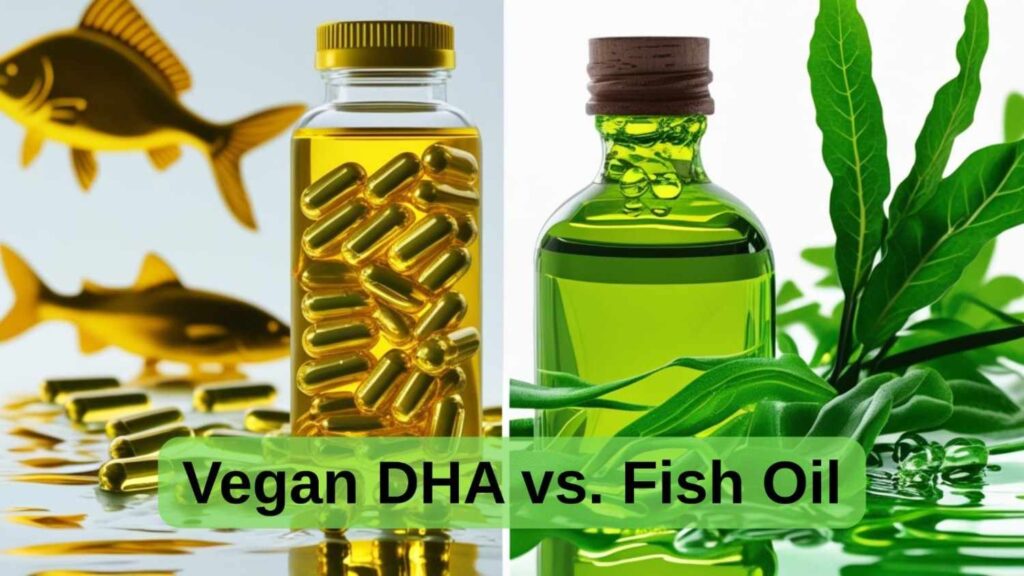
Vegan Omega 3 vs Fish Oil for Sleep
The DHA and EPA molecules are chemically the same regardless of source, marine or algal. Algae provides a direct vegan and vegetarian source of both. Fishy aftertaste and burping can occur with fish oil for some people, which isn’t a sleep-specific issue but can disrupt an evening routine if it bothers you. What actually matters more than the source is the real DHA and EPA amount and the product’s quality and testing, not an assumption that one source is automatically better for sleep than the other.
For the fuller comparison on safety and practical differences, see Vegan Omega 3 vs Fish Oil: Safer Choice for Indian Families?
Safety and Who Should Be Careful
People taking anticoagulant or antiplatelet medication, those with bleeding disorders, or people preparing for surgery should discuss omega 3 supplementation with a healthcare professional before starting. If you’re pregnant or breastfeeding, individual advice from your doctor is appropriate rather than assuming a standard dose applies. If you’re managing any chronic condition or already taking other supplements, mention the full list to your doctor so they can check for anything worth flagging.
Frequently Asked Questions
Q. Can vegan omega 3 actually cure insomnia?
No. Omega 3 should not be presented as a treatment or cure for insomnia. It may support normal brain function involved in sleep regulation, but diagnosed sleep disorders need their own treatment.
Q. Is DHA or EPA more important for sleep?
Neither has been shown to be universally better for this specific purpose. DHA has a stronger structural link to brain tissue, EPA is studied more around inflammation and mood, but current evidence doesn’t establish one as superior for sleep.
Q. How long before I notice a difference?
Any potential effect is unlikely to be immediate, and research has generally assessed supplementation over weeks rather than a single night. There’s no fixed timeline that applies to everyone.
Q. Morning or night, does it matter?
Not based on current evidence specifically for sleep. Taking it consistently with food matters more than the exact hour you choose.
Q. Does the vegan version work as well as fish oil here?
Algal oil can provide DHA, and some products also provide EPA. The important comparison is the actual DHA and EPA amount and product quality, rather than assuming one source is automatically better for sleep.
Q. Can I take this alongside melatonin or another sleep supplement?
Potential interactions depend on your full medication and supplement list. If you already use melatonin or other sleep products, check with a healthcare professional before combining anything new.
According to the NIH, omega 3 fatty acids play a documented role in brain function, though research specific to sleep outcomes remains limited and shouldn’t be treated as conclusive.
A review of studies on PubMed examining omega 3 supplementation and sleep outcomes describe the evidence as preliminary and calls for further controlled research.
Conclusion
Vegan omega 3 for sleep in India may be worth considering for people who want a direct plant-based source of DHA and EPA, but current evidence does not support treating it as a sleep medicine.
If DHA concentration is your priority, Himalayan Organics is a DHA-focused option worth a look. If you’d prefer a relatively higher EPA contribution, Rasayanam fits that profile. If you’d rather not choose a side, Empire 1900 offers a balanced daily option.
Give the supplement enough time to evaluate consistently, but don’t assume that a lack of improvement means you simply need a higher dose. Persistent sleep problems deserve attention to sleep habits and, where needed, a conversation with a doctor about possible underlying causes.
About the Author
Kamal Mishra is a health & nutrition writer and vegan wellness advocate. He is the founder of VeganVitaa – India’s trusted vegan DHA resource for plant-based families.
For more in-depth information, explore our related guides below to better understand vegan DHA, algal oil, and choosing the right supplement. Blog
Disclaimer: EPA, DHA and pricing figures are based on label information available at time of research. Always verify current Amazon India listing details before purchasing — formulations and prices change.
Disclaimer: This article is for educational purposes only. Always consult your paediatrician before starting new supplements.
Disclaimer: This post contains affiliate links. If you buy through these links, I may earn a small commission at no extra cost to you. It helps me keep sharing useful content with you.