This blog was updated on 23rd July 2026 to provide the latest information and researches on DHA Deficiency in Indian Vegetarians and Vegans.
DHA deficiency in Indian vegetarians and vegans does not announce itself. It just quietly shows up in your daily life – and most people never connect it to nutrition.
Your diet is clean. Roti, dal, sabzi, curd. No junk, no processed food. You are doing everything right by every standard you have grown up with.
But your son cannot focus during exams no matter how hard he tries. Your husband sleeps a full eight hours and still wakes up tired. You have eye strain by afternoon even on days you have barely touched a screen.
Everyone assumes it is stress. Or age. Or just how life is now.
Nobody thinks about DHA.
That is the gap this guide is about.
DHA is the specific omega-3 fat your brain cells, eye retina, and nervous system are built from. Your body cannot make enough of it on its own. And the traditional Indian vegetarian diet – as nutritious as it is in so many ways – simply does not contain direct DHA.
This is not a criticism of vegetarian eating. It is just a nutritional reality that most Indian families have never been told about.
This guide covers why DHA deficiency is so common among Indian vegetarians and vegans, who is most at risk, and what simple steps actually make a difference.
To understand the bigger picture, you can read our complete guide on DHA deficiency in India and why most people may not be getting enough of this essential omega-3.
What Is DHA Omega 3?
DHA- Docosahexaenoic Acid is an omega-3 fat your body needs but cannot produce on its own in useful amounts.
Most people have heard of omega-3 in general. But DHA specifically is the form your brain, eyes, and nervous system actually run on. It’s not just helpful, it’s structural. DHA physically makes up a large part of brain tissue and the retina of your eye.
As a vegetarian for 15 years, I didn’t know this for most of my adult life. I thought omega-3 from flaxseeds was enough. It isn’t and the difference between ALA from plants and DHA is significant.
DHA supports clear thinking, sharp memory, healthy vision, and smooth nerve communication. These are not small things. They affect how you feel, how you perform, and how well your brain holds up over years and decades.
When DHA levels are consistently low, signals between brain cells slow down. Focus drops. Memory feels unreliable. The brain is working harder to do things that used to feel effortless.
This is not aging. In many cases, it is simply a nutrient the body has been quietly running short on for years.
Why DHA Deficiency Is Common in India
Vegetarian and Vegan Diet Pattern
Most Indians are vegetarian by culture or belief.
Many are now fully vegan.
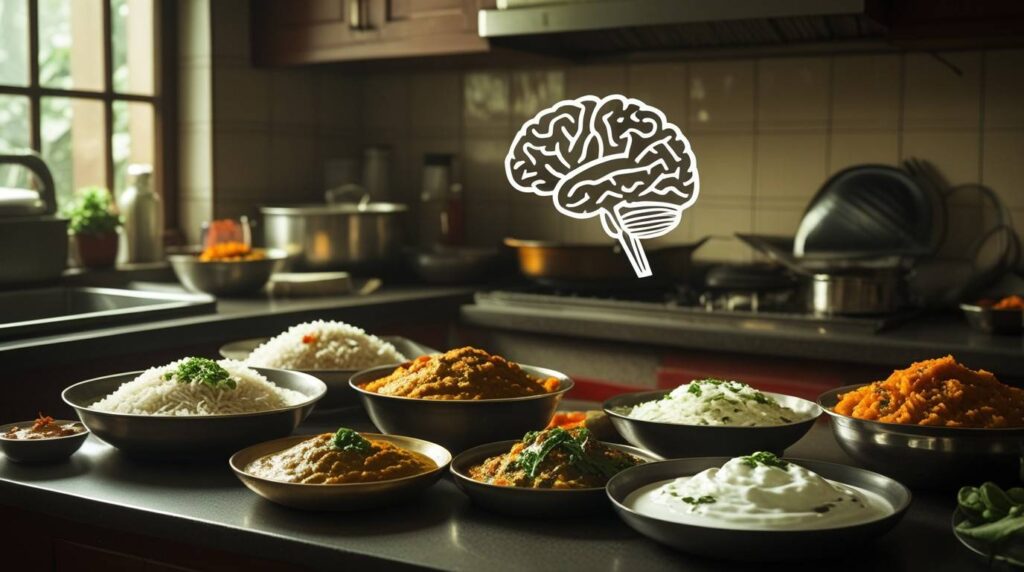
But traditional Indian vegetarian diets do not contain direct DHA.
This is the main reason DHA Deficiency in Indian Vegetarians and Vegans is so widespread.
According to dietary assessments reviewed by the Indian Council of Medical Research (ICMR), the common Indian diet is largely plant-based. Unfortunately, this eating style frequently fails to provide ready-made DHA, which can increase the chances of omega-3 deficiencies at different points in a person’s life.
For a complete understanding of plant-based omega-3, you can read our detailed Vegan Omega-3 Guide.
Low Fish Consumption
Fish is the main natural source of DHA.
But many Indian families:
- Don’t eat fish
- Avoid it for religious reasons
- Dislike the taste or smell
So, DHA intake becomes almost zero.
High Omega-6 Intake
Indian cooking often uses:
- Sunflower oil
- Soybean oil
- Refined vegetable oils
These oils are high in omega-6 fats.
Too much omega-6 can block omega-3 use in the body.
In India, common cooking oils like sunflower and soybean are a good source of omega-6 fatty acids.
Poor ALA to DHA Conversion
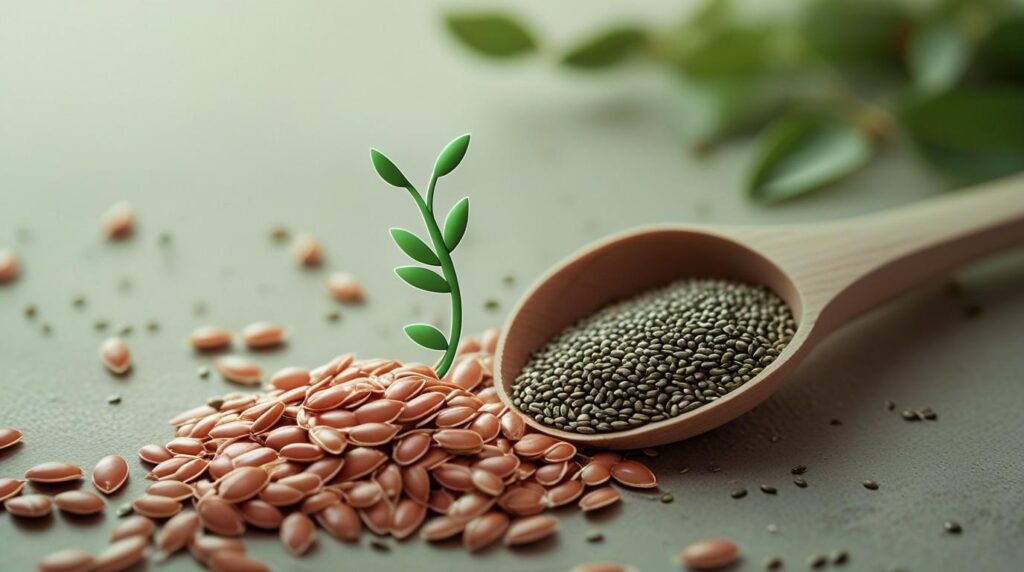
Foods like flaxseed and chia have ALA (a plant omega-3).
But the body converts only a small percent of ALA into DHA.
That means most people still remain deficient.
Research published by the National Institutes of Health (NIH) shows that the human body converts less than 5% of ALA into DHA, and in many adults the conversion is even lower, especially with high omega-6 intake and stress.
Lack of Awareness
Very few people in India know about DHA deficiency.
Even educated families often believe, “Hum vegetarian hai, hume deficiency nahi hoti.”
Sadly, that is not true.
This problem is not limited to vegetarians- DHA deficiency is widespread across India.
DHA Deficiency in Indian Vegans vs Non-Vegetarians
Vegetarians and vegans in India may have a higher risk of DHA deficiency compared to non-vegetarians due to the absence of direct dietary sources like fish.
While plant foods provide ALA, the conversion to DHA is often limited, making it harder to meet optimal DHA levels through diet alone.
DHA Deficiency Symptoms in Indian Context
DHA deficiency does not hit you all at once. It creeps in slowly – and most people adjust to it without realising something is actually wrong.
Brain fog that makes simple decisions feel harder than they should. A memory that used to be sharp but now needs reminders for things you would never have forgotten before.
Mood changes are common too – low motivation, emotional flatness, a general feeling of being mentally switched off. Many people chalk it up to stress or age.
In a lot of cases, nutrition is quietly playing a role.Eyes that feel strained and heavy by afternoon even on days you have not stared at a screen for long. A persistent tiredness that sleep does not fix.
What It Looks Like in Pregnancy
For pregnant women, the stakes are higher.
DHA is directly involved in the baby’s brain and eye development from the earliest weeks. When a mother’s DHA levels are low, the baby draws from whatever reserves are available – often leaving the mother feeling more depleted than usual.
Slower learning, poor visual development, and reduced attention in early childhood have all been linked to low DHA during pregnancy.
Most Indian mothers are never told about this risk – not because doctors do not care, but because DHA simply does not come up in routine prenatal conversations.
How to Spot It at Home
You cannot diagnose DHA deficiency from symptoms alone – but certain patterns are worth paying attention to.
A child who tries genuinely hard but cannot retain what they study. Dry or tired eyes after surprisingly short screen time. Mood shifts without an obvious reason. Mental fatigue that arrives early in the day.
These do not confirm a deficiency. But they are signals worth taking seriously – starting with a closer look at what DHA your diet is actually providing.
Who Is Most at Risk?
Vegetarians and Vegans
Anyone avoiding fish and eggs has almost no direct DHA in their diet. This includes Jain families, temple-following households, and anyone on a strict plant-based diet. The risk is not occasional – it is consistent and lifelong without a conscious effort to supplement.
Students
The brain is still developing through the late teens and early twenties. DHA directly supports memory formation, concentration, and the ability to retain information under pressure. Students who struggle to focus despite genuine effort – and whose diet has no direct DHA source – are often dealing with a nutritional gap, not a willpower problem.
Working Professionals
Long screen hours, deadline pressure, irregular meals, and high stress already drain mental energy. Low DHA makes all of this harder. Many professionals normalise the brain fog and fatigue as part of a busy life. Nutrition rarely comes up – but it matters more than most people realise.
Pregnant Women
DHA demand increases significantly during pregnancy. The baby draws from the mother’s reserves first. Without a reliable DHA source, both mother and baby can be affected – the mother through depletion, the baby through reduced brain and eye development support in those critical early weeks.
Elderly People
As the body ages, its ability to convert ALA into DHA declines even further. Memory, nerve health, and emotional stability all depend partly on consistent DHA intake. This is not a problem that resolves on its own with age – it tends to grow quietly if left unaddressed.
Why Flaxseed & Chia Are Not Enough
This is one of the biggest myths in India.
ALA vs DHA – Simple Explanation
| Type | Source | Conversion | Key Issue |
| ALA | Flaxseed, chia, walnuts | Very low (5–10%) | Not enough DHA formed |
| DHA | Algal oil | Directly usable | No conversion needed |
While plant foods are healthy, the body converts only a small amount of ALA into DHA, which is why many vegetarians may still fall short of optimal DHA levels.
- Flaxseed and chia give ALA.
- Brain needs DHA.
- Body must convert ALA → DHA.
But conversion is very poor.
Only a small percentage of ALA becomes DHA in the body.
Factors that reduce conversion:
- Stress
- Age
- High omega-6 diet
- Diabetes
- Thyroid issues
Common Indian Myths
- “I eat flaxseed daily, so I am safe.”
- “Plant omega-3 is same as fish omega-3.”
These beliefs are incomplete.
Flaxseed is healthy, but it cannot fully solve DHA deficiency.
Risks of Long-Term DHA Deficiency
Most people don’t connect their daily struggles to nutrition. But when DHA levels stay low for years, the effects become harder to ignore.
Brain Health
The brain depends on DHA more than most people realize. Without consistent intake, memory starts slipping – not dramatically, but noticeably. Thinking feels slower. Mental sharpness that used to come naturally now requires more effort. For vegetarians who have never had a direct DHA source, this can build up silently over decades.
Heart Health
DHA supports healthy heart rhythm and the flexibility of blood vessel walls. Long-term deficiency has been linked to increased cardiovascular risk – a concern that is particularly relevant for Indian families where heart disease rates are already high.
Mental Health
Low DHA has been consistently linked to low mood, anxiety, and emotional flatness. This doesn’t mean DHA deficiency causes depression but the brain needs certain fats to manage stress and regulate mood. When those fats are missing, emotional resilience takes a hit.
Child Brain Development
For children, the stakes are highest. DHA directly supports learning ability, attention span, focus, and vision development. A child who genuinely tries but cannot retain information or concentrate and whose diet has no direct DHA – may simply be dealing with a nutritional gap, not a learning problem.
Best DHA Solutions for Vegetarians & Vegans
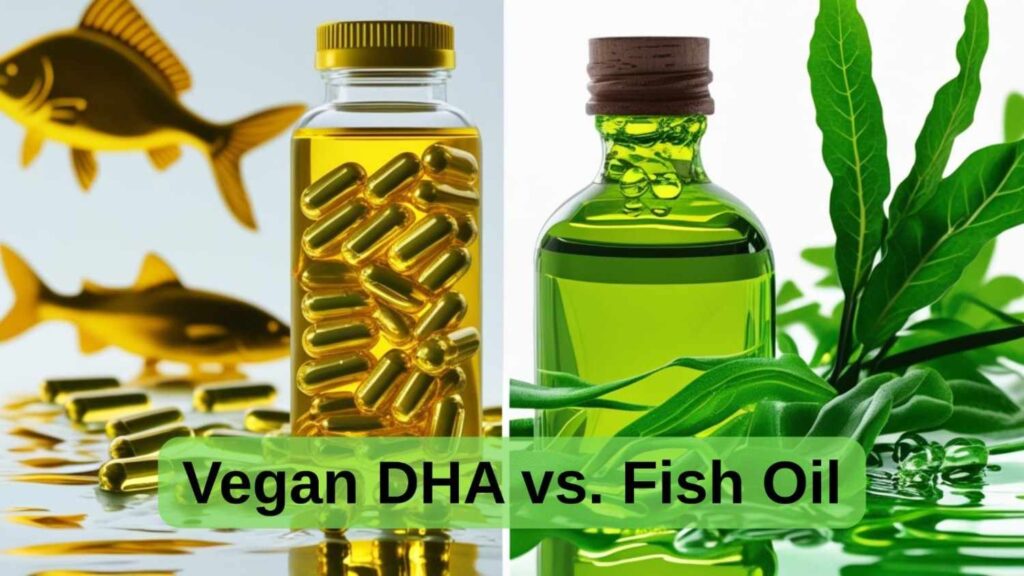
Algal Oil DHA – The Best Option
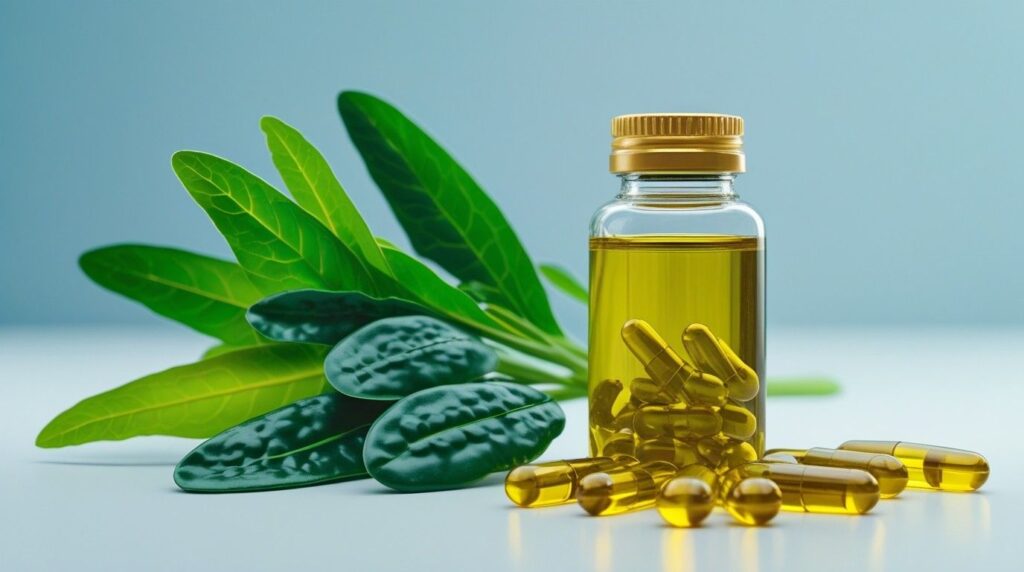
Algal oil DHA comes from algae.
Fish get DHA by eating algae.
So algal oil is:
- 100% plant-based
- Vegan
- Direct source of DHA
Clinical studies published on PubMed show that DHA from algal oil has similar bioavailability to fish oil DHA, making it an effective and reliable plant-based alternative without the risk of ocean contaminants.
Why Algal Oil Is Better Than Fish Oil
- No fish smell
- No heavy metal risk
- Suitable for vegetarians
- Environment-friendly
- Pure and clean
This makes algal oil DHA the best solution for Indian vegetarians and vegans.
Other Helpful Foods
- Seaweed (small amounts)
- Fortified foods (milk alternatives, cereals)
- Eggs (if ovo-vegetarian)
- Fermented soy products
For vegetarians, algal oil DHA is the most reliable and clean source of omega-3.
To understand why algae-based DHA is considered the most reliable option, read our guide on why algal oil is the best vegan DHA source.
How Much DHA Do Indians Need?
There is no single number that works for everyone – but here are the general guidelines most nutrition experts follow for Indian adults.
Adults need around 200 to 300 mg of DHA daily for general brain and heart support. Students and young professionals – especially those with long screen hours and high mental load – benefit from at least 200 mg.
Pregnant women need more, around 300 to 400 mg daily, since DHA demand increases significantly during pregnancy. For elderly people, 250 to 300 mg daily helps support memory and nerve health as the body’s ability to convert ALA naturally declines with age.
These are starting points. If you have a specific health condition or are unsure about dosage, a nutritionist or dietitian can give you a more personalised number.
Daily Habits That Support DHA Absorption
Taking a supplement is one part of the picture. These small daily habits help your body actually use the DHA it gets.
Sleep 7 to 8 hours consistently – poor sleep reduces how well your body uses omega-3. Switch from sunflower or soybean oil to mustard or rice bran oil – common Indian cooking oils are high in omega-6 which competes with omega-3 in the body.
Add a spoonful of ground flaxseed to your roti dough or dal – it supports general omega-3 intake even if it cannot replace direct DHA. And if you are vegetarian or vegan, take an algal oil DHA supplement daily – no conversion needed, no fish involved.
None of these are dramatic changes. Together they make a real difference.
How to Choose the Right Vegan DHA Supplement
Before buying any vegan DHA, check these points.
Purity
- No heavy metals
- No harmful additives
Dosage
- At least 200 mg DHA per serving
Certifications
- FSSAI approved
- GMP certified
- Third-party tested
Algal Oil Source
- Mentioned clearly on label
- Not mixed with fish oil
A good supplement helps correct omega 3 deficiency in vegetarians safely.
How to read a supplement label – a quick guide
- Check “DHA” mg on the front. This is what matters.
- Look for “algal oil” or “microalgae”.
- Check third-party testing logos.
- Avoid vague terms like “omega-3 blend” without numbers.
Choosing a brand – quick checklist
- Clear DHA mg per capsule
- Vegan label
- FSSAI or other local approval
- Third-party lab testing
- Good storage and expiry date
When selecting a supplement, you can explore trusted vegan DHA options available here that clearly mentions its algal oil source, DHA content, and ingredient quality:
To make better supplement choices, you can read our guide on how to read omega-3 labels and understand DHA content clearly.
Disclaimer: This post contains affiliate links. If you buy through these links, I may earn a small commission at no extra cost to you. It helps me keep sharing useful content with you.
Practical Daily Tips
- Add ground flaxseed for ALA (still useful)
- Reduce sunflower and soybean oil
- Eat a variety of nuts and seeds
- Use algal oil DHA supplement if you are vegetarian or vegan
- For pregnant women, choose a supplement with higher DHA
Practical plan to improve DHA in 90 days
Week 1–2: Awareness
- Note meals and oils used
- Add ground flaxseed to roti or smoothie
Week 3–6: Reduce blockers
- Use oils with better omega balance, like mustard oil or rice bran
- Cut back on fried foods
Week 7–12: Add direct DHA
- Start vegan DHA supplement (200–300 mg/day)
- Choose algal oil DHA with clear label
Monitor changes:
- Sleep quality
- Attention in work or study
- Eye comfort
FAQs
Q. Can children take algal oil DHA?
Yes and for growing children, it’s one of the most important supplements to consider. DHA directly supports brain development, focus, and learning ability. Choose a child-specific dose and consult your paediatrician before starting.
Q. Can pregnant women take vegan DHA?
Yes. Most doctors recommend DHA during pregnancy – the baby’s brain and eye development depend on it from the earliest weeks. Look for an algal oil supplement with at least 300-400mg DHA daily. It’s cleaner and safer than fish oil.
Q. Will DHA supplements cause weight gain?
No. DHA capsules contain minimal calories and there is no evidence linking algal oil supplements to weight gain. They support brain and heart health – not fat storage.
Q. Why do Indian vegetarian diets often lack DHA?
Because plant foods like flaxseed and walnuts only provide ALA – a different type of omega-3. The body converts very little ALA into DHA. Without fish or algal oil in the diet, most Indian vegetarians are consistently low on DHA without knowing it.
Why This Matters for India’s Future
India has one of the largest vegetarian populations in the world. And for most of these families, DHA has simply never been part of the conversation.
This is not a criticism. It is a gap in awareness – one that has quietly affected millions of people across generations.
Children growing up in vegetarian households are starting school with brains that may not have the nutritional foundation they need to focus and learn. Working adults are normalising brain fog and mental fatigue as stress, when nutrition is often playing a quiet role. Pregnant women are preparing carefully for their babies – taking iron, calcium, folic acid but rarely DHA, because no one told them it mattered.
The fix is not complicated. It does not require changing diet, culture, or values. One clean algal oil supplement covers the gap entirely.
But awareness has to come first. And that is exactly what is missing in most Indian homes today.
Final Thoughts
Most Indian vegetarian families are doing everything right and still missing one thing nobody ever told them about.
That is not their fault. DHA simply does not come up in regular health conversations in India. Doctors mention iron, calcium, vitamin B12. Rarely DHA.
And so the gap quietly grows – in children who struggle to focus despite trying hard, in adults who feel mentally flat without any obvious reason, in pregnant women whose bodies are working overtime without the right nutritional support.
To understand the bigger picture, you can read our complete guide on DHA deficiency in India and why most people may not be getting enough of this essential omega-3.
I spent 15 years as a vegetarian before I understood this. My diet was clean. My lifestyle was simple. But this one gap was quietly affecting how I thought, how I felt, and how much mental energy I had every day.
The good news is that fixing DHA deficiency in Indian vegetarians and vegans does not require changing your diet, your beliefs, or your lifestyle.
One clean algal oil supplement. 200 to 300 mg of DHA daily. Taken consistently with a meal.
That is genuinely all it takes for most people.
Your vegetarian diet is not the problem. It just has one small gap. And now you know exactly how to close it.
About the Author
Kamal Mishra is a health & nutrition writer and vegan wellness advocate. He is the founder of VeganVitaa – India’s trusted vegan DHA resource for plant-based families.
For more in-depth information, explore our related guides below to better understand vegan DHA, algal oil, and choosing the right supplement. Blog
To explore natural food options, check our guide on vegetarian omega-3 rich foods in India for daily nutrition support.
For quick recommendations, you can explore our guide on the top 3 best vegan DHA supplements in India (2026) to compare trusted options.
To understand the broader issue, you can read our guide on why Indian diets often lack DHA even when they seem healthy.
Disclaimer: This article is for educational purposes only. Always consult your paediatrician before starting new supplements.

Pingback: DHA Deficiency in India: A Silent Health Gap in Indian Diets
Pingback: Which Blood Test Shows DHA Deficiency in Vegetarians?
Pingback: Best Vegan DHA Supplements in India — Top 3 Picks for 2026
Pingback: Omega 3 for Joint Pain in India: Does Vegan DHA Help? (2026)
Pingback: Vegan Omega 3 Guide for Vegetarians — DHA, EPA & ALA 2026
Pingback: Omega 3 for Heart Health in India — What Vegetarians Miss
Pingback: Omega 3 for Thyroid Health in India — Can Vegan DHA Help?
Pingback: DHA for Brain Health in India — Why Vegetarians Miss It
Pingback: Vegan Omega 3 for High Triglycerides in India — Facts