This blog was updated on 3rd October 2026 to provide the latest information and researches on Vegan DHA for Seniors.
Vegan DHA for seniors is one supplement I wish more Indian vegetarians knew about earlier.
As a vegetarian for over 15 years, I discovered the importance of DHA almost 8 years ago- not from a doctor, but from a research article that completely changed how I looked at plant-based nutrition.
That one article made me realize – we vegetarians avoid fish, we avoid fish oil, but our brain, eyes, and joints still desperately need DHA as we age.
The good news? Algae-based vegan DHA gives seniors everything fish oil does – cleaner, safer, and 100% plant-based.
If you’re in your 50s, 60s, or beyond – or caring for an elderly family member – this guide is for you.
What Is Vegan DHA?
DHA (Docosahexaenoic Acid) is an omega-3 fatty acid your body cannot produce on its own – especially as you age.
Most people associate DHA with fish oil. But here’s what surprised me when I first read that article 8 years ago – fish don’t actually make DHA themselves. They get it from algae.
So why eat fish when you can go straight to the source?
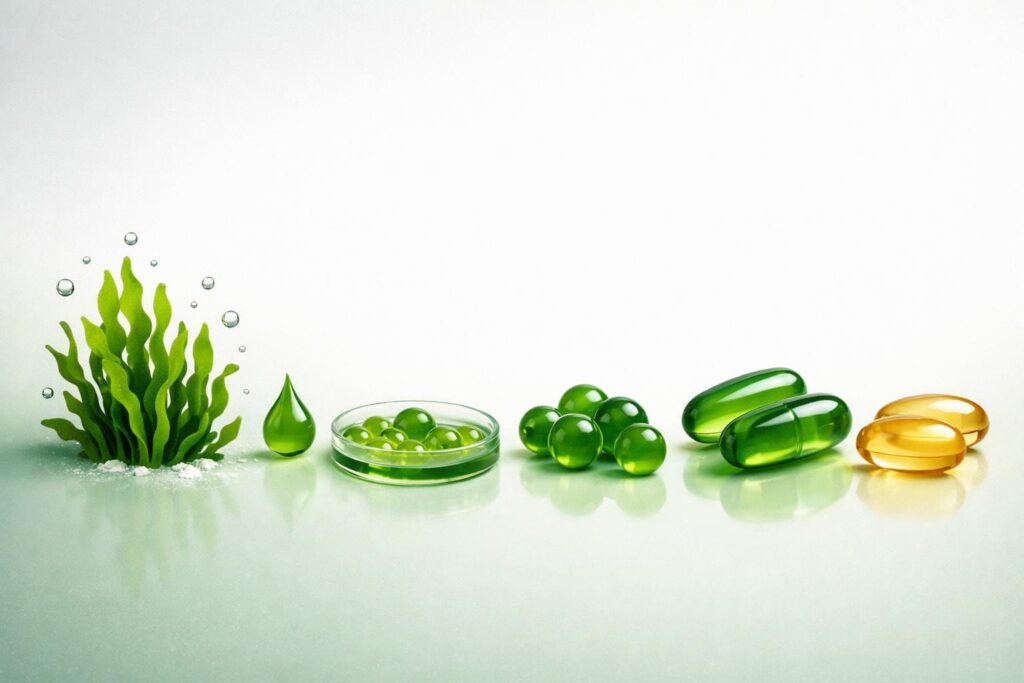
Vegan DHA is made from microalgae grown in clean, controlled conditions. No ocean pollutants. No mercury. No fishy smell. Research on PubMed confirms algae-based DHA raises blood DHA levels just as effectively as fish oil.
For vegetarian seniors, this is the cleanest and safest way to get omega-3s your brain and body need.
Why Seniors Need DHA After 50
After 50, your body starts losing DHA faster than it can absorb it.
This isn’t just a vegan problem – it happens to everyone. But for vegetarians who were never getting DHA from fish in the first place, the gap becomes even bigger with age.
Being a vegetarian myself, I never thought about this gap until I started researching DHA seriously.
Here’s what low DHA after 50 can look like:
- Memory feels slower than it used to
- Eyes tire faster, especially while reading
- Joints feel stiff in the morning
- Focus and mental sharpness start declining
These aren’t just “old age” problems. Often, they’re DHA deficiency showing up.
Studies show vegetarians and vegans consistently have lower DHA levels compared to fish eaters. For seniors, this makes vegan DHA supplementation not just helpful – but essential.
If you’re unsure whether you’re deficient, read this: Omega-3 & DHA Deficiency Symptoms in Vegans: 9 Warning Signs You Shouldn’t Ignore.
Benefits of Vegan DHA for Seniors
1. Memory & Brain Support
Your brain is nearly 60% fat – and DHA is its most important building block.
As we age, brain cells lose flexibility. Communication between neurons slows down. This is why memory recall feels harder, names slip, and thinking feels foggy after 50.
DHA directly supports neuron health and keeps brain cell membranes flexible. Clinical research shows algae-based DHA supplementation improves cognitive function in older adults.
Many vegetarian seniors notice a difference in focus and mental clarity within 8-12 weeks of starting algae-based DHA.
This is exactly why vegan DHA for seniors is becoming the preferred choice among Indian vegetarian families.

A study published on PubMed found that algae-based DHA supplementation significantly improved cognitive performance in older adults.
2. Vision & Eye Health
Most people don’t know this – DHA is actually a structural part of your retina.
As you age, oxidative stress depletes DHA in your eyes. This can lead to eye fatigue, blurred vision, and increased risk of age-related macular issues.
Supplementing with algae-based DHA nourishes the retina directly – supporting long-term visual clarity and eye comfort.
3. Joint & Inflammation Relief
Stiff knees and aching joints in the morning – most seniors accept this as normal aging. But often, chronic inflammation is quietly behind it.
DHA has natural anti-inflammatory properties. According to study researches, omega-3s like DHA reduce inflammatory markers at the cellular level – offering real relief for seniors dealing with joint discomfort or arthritis.
Pair it with light walking or yoga – results come faster.

According to the NIH Omega-3 Fact Sheet, DHA and EPA help reduce inflammatory markers – which directly impacts joint comfort in older adults.
DHA vs ALA: What’s the Difference?
If you eat a plant-based diet, you may already be getting omega-3 from foods like flaxseeds, chia seeds, walnuts and hemp seeds. These foods mainly provide ALA (alpha-linolenic acid), which is an essential omega-3 fatty acid.
DHA (docosahexaenoic acid) is different. It is a long-chain omega-3 that is naturally found in high amounts in the brain and retina, where it plays an important structural role.
Your body can convert some ALA into EPA and DHA, but the conversion is limited. This means that eating flaxseeds or chia seeds is beneficial, but they don’t provide the same amount of direct DHA as an algae-based DHA supplement.
For older adults following a vegetarian or vegan diet, this difference is worth understanding. A diet can be rich in ALA while still providing very little direct DHA.
That is where algal oil can be useful. Microalgae are a plant-based source of preformed DHA, making algal oil a practical option for people who don’t consume fish or fish oil.
So, ALA-rich foods should still have a place in a healthy diet. But if you’re specifically looking to increase your DHA intake, ALA and DHA shouldn’t be treated as interchangeable sources of omega-3.
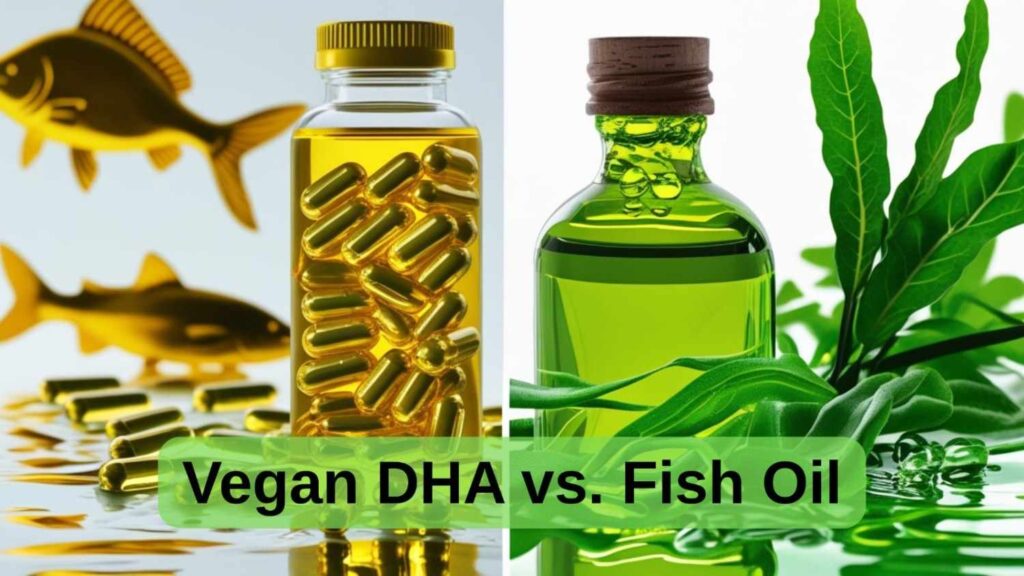
Fish Oil vs Vegan DHA for Seniors
I get this question a lot – “Kamal, why not just take fish oil? It’s cheaper and easily available.”
Fair point. But here’s what I tell them:
Fish oil works – but for vegetarian seniors, it comes with compromises most people don’t talk about.
I’ve written a detailed comparison on this – Fish Oil vs Vegan Omega 3 – Which Is Safer for Indians? – if you want to go deeper.
| Feature | Fish Oil | Vegan DHA |
| Source | Fish | Microalgae |
| Smell | Fishy burps | Neutral |
| Toxin Risk Vegan-Friendly | Mercury possible No | Minimal Yes |
| Digestion | May cause reflux | Easier on stomach |
| Environment | Depletes oceans | Sustainable |
For someone who has been vegetarian their whole life, swallowing a fish oil capsule is not just a dietary compromise – it goes against everything we believe in.
Algae-based vegan DHA gives seniors the exact same omega-3 benefits. The science is the same – only the source is cleaner and more ethical.
How Much Vegan DHA Should Seniors Take Daily?
This is something I get asked often and the answer is simpler than most people expect.
For most seniors, 250-500mg of DHA daily is sufficient. This amount effectively supports brain, eye, and joint health without overloading the system.
A few things to keep in mind:
- Always take DHA with a meal – preferably one with healthy fats like nuts or avocado. Your body absorbs DHA much better this way.
- Start with 250mg if you’re new to supplements. Increase to 500mg after 2-3 weeks.
- If you’re on blood thinners or any heart medication consult your doctor first.
What to expect timeline:
- Week 1-2: Better sleep, subtle energy improvement
- Week 4-6: Improved focus and mental clarity
- Week 8-12: Noticeable joint comfort and eye health improvement
If you have never taken any omega-3 supplement before, chances are your body is already running low – and the difference will be more noticeable.
Best Vegan DHA Supplements for Seniors in India
If you’re looking for a vegan DHA supplement for an older adult, don’t choose only by the words “Omega-3” or the total oil amount on the front of the bottle. Check how much DHA the product actually provides and whether the source is algae.
Here are three algae-based options worth considering in India:
1. Unived Ovegha Vegan Omega-3 DHA
Unived Ovegha is a vegan DHA-focused omega-3 supplement that provides 500 mg of DHA per serving. It can be an option for people specifically looking for a higher-DHA algae supplement rather than a product that mainly highlights total omega-3 oil. Independent testing information also lists Ovegha among plant-based omega-3 products with a 500 mg DHA claim.
2. Origins Nutra Algal Omega-3
Origins Nutra’s Algal Omega-3 provides 300 mg DHA and 120 mg EPA from algal oil. The product uses algae-derived omega-3 and is positioned for brain, heart and joint health. The brand also provides information about its ingredient source and testing on the product page.
3. Albae V Balance
Albae V Balance combines 250 mg algae-based DHA with vitamin D3, K2, B12 and other vitamins and minerals. This makes it different from a DHA-only supplement and may be worth considering for seniors who are also looking for broader nutritional support. The company states that its batches undergo purity, microbial and third-party heavy-metal testing.
What to Check Before Buying
Before choosing any vegan DHA supplement, check:
- DHA amount per serving
- Algae-derived DHA rather than fish oil
- Vegan or vegetarian capsule material
- Third-party testing or certificate of analysis
- Other ingredients and allergens
- Whether the capsule is comfortable for the person to swallow
If the senior is taking blood thinners or other regular medicines, it is sensible to discuss omega-3 supplementation with a doctor or pharmacist before starting it.

For a complete comparison of options available in India, check out my detailed guide: Best Vegan Omega 3 Capsules in India.
Disclosure: This post contains affiliate links. If you purchase through these links, I may earn a small commission at no extra cost to you.
Frequently Asked Questions
Q. Is vegan DHA safe for elderly people?
Yes – and this is one question I always get from families of older vegetarians. Algae-based DHA has been studied extensively. It’s the same DHA your body needs, just without the fish in between.
Q. Can vegan DHA help with memory?
It can support it – but let’s be honest, it’s not a magic pill. What it does is give your brain the raw material it needs to function better. Most seniors who are consistent with it notice clearer thinking and better recall within 8-12 weeks.
Q. Any side effects?
Rarely. At 250-500mg daily, most seniors handle it well. Just take it with food – that’s usually enough to avoid any mild discomfort.
Q. How long before results show?
Mental clarity and eye comfort tend to improve first – usually around 6-8 weeks. Joint relief takes a bit longer, closer to 3 months. Consistency matters more than anything here.
Q. Is algae oil better than fish oil for vegetarian seniors?
For us vegetarians – there’s really no contest. Same omega-3 benefits, cleaner source, no mercury, no smell, and no compromise on what we believe in.
Conclusion
Eight years ago, one article changed how I looked at plant-based nutrition. DHA was the missing piece I never knew vegetarians needed.
For seniors, this gap becomes even more critical. Brain, eyes, joints – all three depend on DHA more than most people realize. And for vegetarians who have spent decades avoiding fish, algae-based DHA is the cleanest answer science has given us.
Vegan DHA for seniors is not just a supplement – it’s a simple, science-backed way to protect the years ahead.
It doesn’t require a dramatic lifestyle change. Just 500mg daily, with a meal, consistently.
If you’re in your 50s or 60s – or helping an elderly parent, make better health choices — this is one supplement worth taking seriously.
Start small. Stay consistent. Give it 8-12 weeks.
We take care of our families our whole lives – it’s okay to take care of ourselves too.
About the Author
Kamal Mishra is a health & nutrition writer and vegan wellness advocate. He is the founder of VeganVitaa – India’s trusted vegan DHA resource for plant-based families.
Further Reading on VeganVitaa:
For more in-depth information, explore our related guides below to better understand vegan DHA, algal oil, and choosing the right supplement. Blog
- Vegetarian Omega 3 Foods in India
- Best Vegan Omega 3 Sources for a Plant-Based Diet (2026)
- Best Vegan DHA Capsules in India 2026 — Top 10 Reviewed
- DHA for Brain Health in India
Disclaimer: EPA, DHA and pricing figures are based on label information available at time of research. Always verify current Amazon India listing details before purchasing — formulations and prices change.
Disclaimer: This article is for educational purposes only. Always consult your paediatrician before starting new supplements.
Disclaimer: This post contains affiliate links. If you buy through these links, I may earn a small commission at no extra cost to you. It helps me keep sharing useful content with you.

Pingback: Does Vegan Omega 3 Help During Menopause? Evidence