
You’re scrolling through reviews on a vegan omega 3 listing, checking ratings, and then one review stops you cold. Someone claims the batch they got failed a lab test, or mentions heavy metal contamination. Suddenly every brand on your shortlist looks suspicious, even the ones with decent ratings.
Here’s the confusing part. Almost every brand print “lab tested” somewhere on the box. But that phrase alone doesn’t tell you much. A brand testing its own product internally is not the same as an independent lab confirming it.
This is exactly why finding a genuinely vegan omega 3 third party lab tested India option takes more digging than just reading the front label. The claim is easy to print. The actual report is harder to find, and that’s what actually matters.
Why Third-Party Testing Matters for Algal Oil Specifically
Algal oil isn’t extracted the way fish oil is. It’s grown in controlled tanks, then harvested and processed. That changes what kind of contamination risk you’re dealing with.
Instead of worrying about ocean-based heavy metals like mercury, algal oil carries its own risks, things like microbial contamination during growth, or oxidation if the oil isn’t processed and stored properly. These aren’t the same concerns fish oil buyers deal with, which is exactly why testing matters here too, just for different reasons.
Third party testing means an outside lab, unconnected to the brand, checks the product against safety and purity standards. A brand’s own internal quality control is useful, but it’s not the same thing. It’s the company checking its own homework.
For a full breakdown of product specs and label comparisons across top picks, this guide covers it in detail: Best Vegan & Vegetarian Omega 3 Capsules in India 2026 | Top 5 DHA Picks
Types of Testing Claims You’ll See in India, and What They Actually Mean
Not all certifications and claims mean the same thing, even though they sound similar on a label.
FSSAI certification confirms a product meets India’s basic food safety standards. It’s necessary, but it’s a baseline requirement, not proof of independent purity testing for things like heavy metals or contamination.
GMP certification tells you the manufacturing facility follows good practices during production. Again, useful information, but it’s about the process, not a lab checking the finished product for what’s actually in it.
A genuine Certificate of Analysis, usually called a COA, is the real standard. This is an actual lab report showing test results for a specific batch, done by a lab that isn’t owned by the brand selling the product.
Most Indian supplement brands don’t publish COAs publicly on their websites or Amazon listings. That doesn’t automatically mean they skip testing, but it does mean the burden falls on the buyer to ask.
The NIH’s Dietary Supplement Label Database is a useful reference for understanding how supplement labels and testing claims are meant to be read. NIH Dietary Supplement Label Database

How to Check If a Brand Actually Does Third Party Testing
A few minutes of checking before you buy can save you from guessing later.
- Search the brand name along with “COA” or “certificate of analysis” and see what comes up
- Check the brand’s own website for a dedicated quality or testing page, not just claims on the Amazon listing
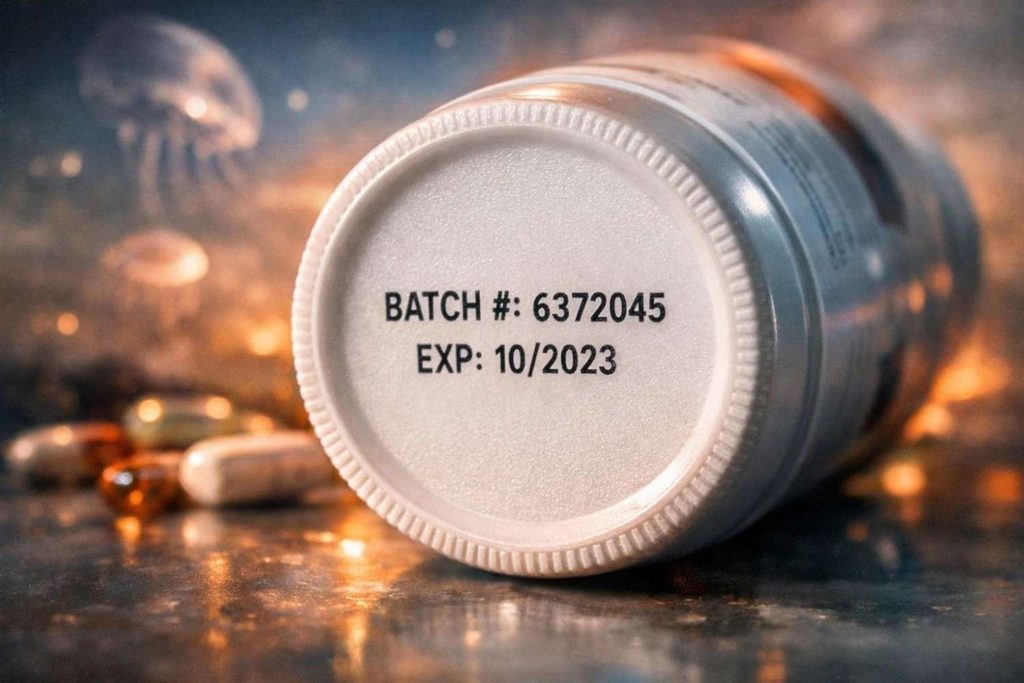
- Look for a batch number printed on the bottle, genuine testing usually ties back to specific batches
- Message the brand directly and ask for their latest test report, brands that actually test usually respond quickly
- Treat “lab tested” text with no report or reference number anywhere as a claim, not a confirmation
None of these checks take long, but skipping them means trusting a label at face value.

Vegan Omega 3 Third Party Lab Tested India Brands Worth Checking
A few brands do mention testing or certification details on their product pages, based on what’s currently visible. Rasayanam, Empire 1900, and Himalayan Organics reference quality certifications on their listings, though the depth of publicly available testing detail varies between them.
This isn’t a guarantee, and it isn’t the full picture either. Treat it as a starting point for your own check, not confirmation that testing definitely happened for the exact bottle you’re about to buy. Brand practices and certifications can change, so it’s worth confirming directly with the brand before ordering.
Red Flags That Suggest a Brand Is Not Actually Tested
Some patterns should make you pause before adding a product to your cart.
- Vague phrases like “premium quality” or “top grade” with zero specifics behind them
- No batch number printed anywhere on the bottle or packaging
- Pricing far below the market average paired with big testing claims
- No response at all when you ask the brand directly for a test report
If a brand can’t answer a direct question about their own testing, that silence is an answer in itself.
These aren’t the only warning signs to watch for either. This guide covers more label and marketing red flags worth knowing before you buy: Vegan Omega 3 Capsules in India — 5 Red Flags to Avoid
Frequently Asked Questions
Q. What is a Certificate of Analysis, and should I actually ask for one?
A Certificate of Analysis is a lab report showing what was actually tested in a specific batch, done by an independent lab. Asking for one is reasonable, and a brand that genuinely tests its products usually has no problem sharing it.
Q. Does FSSAI certification mean the product is lab tested for purity?
Not exactly. FSSAI certification confirms basic food safety compliance, but it isn’t the same as an independent lab specifically testing for things like heavy metals or contamination in that batch.
Q. Are all algal oil supplements in India tested for heavy metals?
No, not all of them. Testing practices vary widely between brands, which is exactly why checking for a real report matters instead of assuming every product goes through the same process.
Q. Is it normal for small brands to not publish test reports?
It happens often, and it doesn’t automatically mean something’s wrong. But it does mean you’ll need to ask directly rather than assume testing happened just because the label mentions it.
Conclusion
Finding a genuinely vegan omega 3 third party lab tested India brand means looking past the label and asking for the actual report. Printed claims are easy. A real Certificate of Analysis from an independent lab is the only thing that actually confirms what’s in the bottle.
Before you buy, ask the brand for their latest test report, check for a batch number, and don’t assume “lab tested” text means much on its own. If a brand can’t produce that information when asked, that tells you something too.
For full product specs and comparison across top verified picks, check this guide next: Best Vegan & Vegetarian Omega 3 Capsules in India 2026 | Top 5 DHA Picks
About the Author
Kamal Mishra is a health & nutrition writer and vegan wellness advocate. He is the founder of VeganVitaa – India’s trusted vegan DHA resource for plant-based families.
For more in-depth information, explore our related guides below to better understand vegan DHA, algal oil, and choosing the right supplement. Blog
Disclaimer: This article is for educational purposes only. Always consult your paediatrician before starting new supplements.

Pingback: Vegan Omega 3 Reviews in India — Which Ones to Trust