The blood test result came back with two words nobody expects on a routine checkup.
Fatty liver. Grade 1.
Doctor said diet and lifestyle. Maybe some supplements. You came home, searched online, and found a hundred omega-3 supplement ads before finding a single honest answer about whether any of it actually works for liver health or whether it is just supplement marketing dressed up in medical language.
At VeganVitaa, this is one of the most common messages I receive, someone with a recent fatty liver diagnosis, vegetarian their whole life, confused about whether omega-3 actually helps or whether it is just another supplement trend. That question deserves an honest answer.
Most Indian vegetarians with fatty liver end up in exactly this place – real research exists, but nobody is presenting it without a supplement to sell. The research exists. The connection between omega-3 and liver fat metabolism is real. But the gap between what studies show and what supplement brands claim is wide enough to get lost in.
Vegan omega 3 for liver health in India is a conversation worth having honestly without overclaiming, without dismissing the evidence, and without pretending that a capsule replaces what diet and lifestyle actually need to do.
This guide covers what the research actually says, which vegan omega-3 options make sense for Indian vegetarians, and how to think about supplementation alongside not instead of the dietary changes that matter most.
For how omega-3 connects to triglycerides one of the key markers in fatty liver diagnosis — Vegan Omega 3 for High Triglycerides in India
Vegan Omega 3 and Liver Health — What the Evidence Actually Says
Before anything else an honest framing.
Most omega-3 and liver research has been done using fish-derived EPA and DHA, not algal oil specifically. Studies on algal DHA for liver health are limited. What exists is promising but not yet at the same volume as fish oil research.
That matters for how you interpret what follows.
NAFLD – Non-Alcoholic Fatty Liver Disease is the older term. The current medical terminology has shifted to MASLD: Metabolic Dysfunction-Associated Steatotic Liver Disease. Both refer to the same condition: excess fat accumulation in the liver without significant alcohol consumption. India has one of the highest rates of MASLD in the world, with estimates suggesting 1 in 3 urban Indians may be affected.
What the research shows:
- Multiple meta-analyses suggest omega-3 supplementation is associated with reduced liver fat content in NAFLD/MASLD patients
- EPA and DHA appear to influence how the liver processes and stores fat
- The evidence is strongest for reduction in liver triglycerides and liver enzymes like ALT and AST
- Most studies used doses of 1000mg to 4000mg combined EPA and DHA daily over 3 to 6 months
- Results are modest not dramatic and vary significantly between individuals
One consistent finding across studies: omega-3 works better alongside dietary changes than as a standalone intervention. A capsule without reducing refined carbohydrates, sugar, and processed food is unlikely to show meaningful liver fat reduction.
For the NIH overview on omega-3 fatty acids and metabolic health — NIH Omega 3 Fact Sheet
How Omega 3 May Support Liver Health
The mechanism is worth understanding simply because it explains both why omega-3 may help and why it is not a cure.
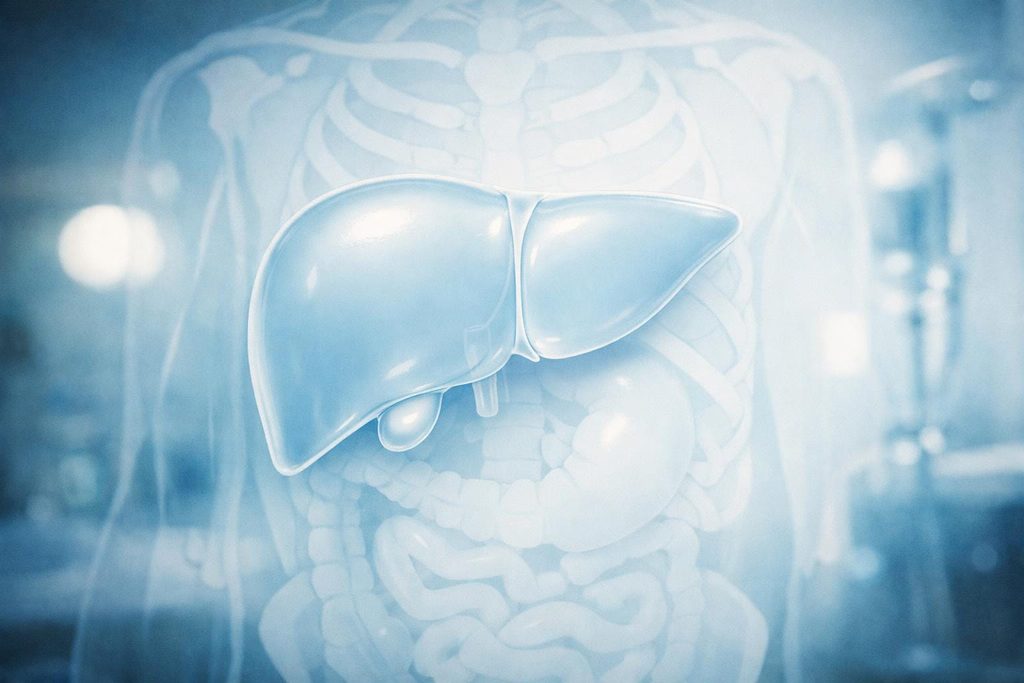
The liver is the body’s primary fat processing organ. In MASLD, the liver accumulates excess fat, partly because it is receiving more fat and sugar from the diet than it can process efficiently, and partly because the metabolic signalling that regulates fat storage is disrupted.
Research suggests EPA and DHA may support liver health through several pathways:
- Triglyceride metabolism — the strongest evidence sits. EPA and DHA are associated with reduced triglyceride synthesis in the liver. This is the most consistently supported mechanism across studies.
- Inflammation reduction — Chronic low-grade inflammation drives the progression of fatty liver to more serious conditions. EPA specifically is associated with reduced inflammatory signalling in liver tissue.
- Insulin sensitivity — Some research suggests omega-3 may improve how liver cells respond to insulin, addressing one of the root metabolic disruptions in MASLD.
- Liver enzyme levels — Several studies have found modest reductions in ALT and AST – enzymes that elevate when liver cells are stressed with consistent omega-3 supplementation.
None of this is a treatment. These are associations and potential mechanisms not proven cures. Anyone with a diagnosed liver condition should be working with a doctor, not self-treating with supplements.
Vegan DHA vs EPA — Which Matters More for Fatty Liver
This distinction matters specifically for fatty liver more than for most other reasons people take omega-3.
EPA is the form most directly associated with the anti-inflammatory and triglyceride-lowering effects relevant to liver health. The studies showing the strongest liver fat reduction tend to use high-EPA formulations or combined EPA and DHA at higher doses.
DHA contributes to liver health through its role in cell membrane composition and metabolic signalling but its direct effect on liver fat is less consistently demonstrated than EPA’s.
For Indian vegetarians supplementing specifically for liver support, this means:
- A DHA-only algal oil supplement may not be the most relevant choice
- A supplement that clearly lists both EPA and DHA on the label is more appropriate
- Higher EPA content relative to DHA is preferable for liver-focused supplementation
- Checking the label for the actual EPA mg not just total omega-3 matters more here than for general supplementation
Most standard vegan omega-3 supplements sold in India are DHA dominant. For liver health specifically, the products that list meaningful EPA alongside DHA are the more relevant options.
For understanding how EPA and DHA differ in their specific roles — Vegan DHA Dosage Per Day
How to Choose a Vegan Omega 3 Supplement for Liver Support in India
Before buying anything, five things to check on the label:
- Algal oil confirmed as source — not flaxseed oil, not “plant-based omega-3 blend”
- EPA clearly stated in mg per serving — not just DHA, not just total omega-3
- DHA clearly stated in mg per serving — both numbers separately, not combined
- Serving size visible — some products require 2 capsules to reach the stated dose
- Manufacturing date and expiry date printed — especially important in Indian heat and humidity where algal oil degrades faster
One additional consideration for liver health specifically avoids supplements that combine omega-3 with added herbal ingredients or liver “detox” compounds. The research on omega-3 and liver health is on EPA and DHA alone. Combined formulations make it impossible to attribute any effect to the omega-3 specifically.
If you’re unsure whether low DHA intake is already affecting you beyond liver concerns, this covers the broader picture worth checking: DHA Deficiency in Indian Vegetarians and Vegans: Causes, Risks & Solutions
Best Vegan Omega 3 for Liver Health in India: How to Choose the Right Option
How we ranked these:
- EPA per serving clearly stated in mg – non-negotiable for liver focus
- DHA per serving clearly stated in mg
- Algal oil confirmed as source not flaxseed or seed blends
- Amazon India availability verified
- Label transparency, serving size, expiry, manufacturing date visible
- No added herbal liver compounds
These three are the only verified algal EPA+DHA options I could confirm with accurate label data for Indian buyers at time of writing. Products where EPA was unclear or unverified were excluded.
Comparison Table — Cost per 100mg EPA+DHA
| Product | EPA/serving | DHA/serving | Total EPA+DHA | Serving | Price/day approx | Cost per 100mg |
| Rasayanam Plant Based Omega-3 | 450mg | 150mg | 600mg | 2 capsules | ~₹27-36 | ~₹4.5-6 |
| Empire 1900 Vegan Omega-3 | 250mg | 250mg | 500mg | 1 capsule | ~₹9 | ~₹1.8 |
| Himalayan Organics Vegan Omega-3 | Not clearly listed | 560mg | ~560mg DHA | 2 capsules | ~₹27 | Not comparable |
Note: Verify current EPA, DHA and pricing on Amazon India before purchasing formulations and prices change.
1. Rasayanam Plant Based Omega-3 – Best for Liver Support
EPA: 450mg per serving | DHA: 150mg per serving | Total: 600mg | Serving: 2 capsules | Price/day: ~₹27-36
EPA: 450mg | DHA: 150mg | Total: 600mg | Price/day: ~₹27-36 | Serving: 2 capsules
Rasayanam has the highest EPA content of any verified vegan omega-3 supplement currently available in India and EPA is the form most directly relevant to liver fat metabolism and inflammation. Sourced from marine microalgae, lab tested for heavy metals, Ministry of AYUSH approved, GMP certified. Both EPA and DHA are clearly stated on the label per serving.
For Indian vegetarians supplementing specifically for liver health or high triglycerides, the high EPA content here is more relevant than a DHA-dominant product.
Best for: Liver health, high triglycerides, joint inflammation – situations where EPA matters most.
Pros:
- Highest EPA content of verified Indian vegan supplements
- Both EPA and DHA clearly stated
- Lab tested, heavy metal free
- Ministry of AYUSH approved, GMP certified
- Algal source confirmed, marine microalgae
Cons:
- Serving size is 2 capsules – factor into daily routine
- Price varies – check current Amazon listing before ordering
- DHA is lower than other options not ideal if brain health is the sole priority
Check Rasayanam Plant Based Omega-3 on Amazon
2. Empire 1900 Vegan Omega-3 — Best Value for Combined EPA+DHA
EPA: 250mg per capsule | DHA: 250mg per capsule | Total: 500mg | Serving: 1 capsule | Price/day: ~₹9
EPA: 250mg | DHA: 250mg | Total: 500mg | Price/day: ~₹9 | Serving: 1 capsule
Empire 1900 offers the strongest cost-per-100mg EPA+DHA ratio on this list and both numbers are clearly printed on the front label, not buried in fine print. Algal oil confirmed, vegetarian capsule, 60 capsules per bottle. For Indian vegetarians who want a verified EPA+DHA product at a budget price, this is the most straightforward value option.
EPA content is lower than Rasayanam but at roughly one-quarter of the daily cost, it makes consistent long-term supplementation more practical for most buyers.
Best for: Daily supplementation for liver and metabolic health – buyers who want both EPA and DHA confirmed at the lowest cost per day.
Pros:
- Best cost per 100mg EPA+DHA on this list
- Both EPA and DHA clearly on label – front label transparency
- Algal oil confirmed
- 1 capsule per day simple routine
Cons:
- Smaller brand fewer reviews than established names
- Lower EPA than Rasayanam – less suited for high triglyceride focus specifically
- Verify current Amazon availability before ordering
Check Empire 1900 Vegan Omega-3 on Amazon
3. Himalayan Organics Vegan Omega-3 — Best High DHA Option
EPA: Not clearly quantified | DHA: 560mg per serving | Total: ~560mg DHA | Serving: 2 capsules | Price/day: ~₹27
EPA: Not clearly listed | DHA: 560mg | Serving: 2 capsules | Price/day: ~₹27
Himalayan Organics delivers the highest DHA concentration on this list. EPA is mentioned in product descriptions but not clearly quantified on the label, making it less suitable as the primary choice for liver-specific supplementation where EPA matters most. It remains a reliable option for buyers whose primary goal is DHA and for whom liver health is one of several reasons they are supplementing rather than the sole focus.
Trusted Indian brand, algal oil confirmed, vegetarian capsule, widely available on Amazon India.
Best for: General daily DHA supplementation, buyers for whom high DHA is the priority alongside broader health goals.
Pros:
- Highest DHA on this list
- Trusted Indian wellness brand
- Algal oil confirmed, vegetarian capsule
- No fishy smell or aftertaste
Cons:
- EPA not clearly quantified — less ideal for liver-specific supplementation
- Serving size is 2 capsules daily
- Lower EPA relevance for triglyceride and liver fat focus
Check Himalayan Organics Vegan Omega-3 on Amazon
Omega 3 Dosage for Fatty Liver — What Studies Suggest
Clinical trials studying omega-3 for NAFLD and MASLD have used a wide range of doses. Most studies showing meaningful liver fat reduction used between 1000mg and 4000mg of combined EPA and DHA daily, significantly higher than the standard general health recommendation of 250 to 500mg.
A PubMed review of omega-3 supplementation in NAFLD patients found that higher doses over longer periods, typically 3 to 6 months, showed more consistent results on liver fat markers than lower doses or shorter interventions.
What this means practically:
- A single 500mg EPA+DHA capsule daily may be insufficient for liver-specific therapeutic benefit
- Reaching the doses used in research may require 2 to 4 capsules of most supplements daily
- Higher doses should be discussed with a doctor — especially for anyone on medication for liver conditions, diabetes, or cholesterol
Anyone with a diagnosed liver condition should be working with a doctor before changing supplement doses not relying on general guidance from a blog.
Diet and Lifestyle Still Matter More Than Supplements
This section exists because leaving it out would make this guide dishonest.
Omega-3 supplementation for fatty liver works within a context. That context is diet and lifestyle change. Without addressing the factors driving fat accumulation in the liver excess refined carbohydrates, sugar, processed food, sedentary lifestyle, insulin resistance, a supplement is unlikely to produce meaningful improvement on its own.
What the research consistently shows:
- Omega-3 in combination with dietary changes produces better outcomes than omega-3 alone
- Reducing refined carbohydrate and sugar intake has a more direct impact on liver fat than supplementation
- Physical activity even moderate walking, improves liver fat independent of diet changes
- Weight loss of 5 to 10% of body weight is associated with significant improvement in liver fat markers
Omega-3 may support the liver’s metabolic function, but it supports a process that diet and lifestyle need to start.
I say this as someone who has spent two years researching plant-based nutrition for Indian families the supplement conversation is only useful if the dietary conversation is happening alongside it. One without the other rarely moves the needle.
For how omega-3 connects to heart health in Indian vegetarians — Omega 3 for Heart Health in India
FAQs
Q. Can omega-3 reduce fatty liver?
Research suggests omega-3 supplementation is associated with modest reductions in liver fat and liver enzyme levels in people with NAFLD/MASLD. The effect is real but not dramatic and it is consistently stronger when combined with dietary changes. Omega-3 is not a treatment for fatty liver. It is a nutritional support that may help alongside the dietary changes that matter most.
Q. Is algal oil good for liver health?
Algal oil provides EPA and DHA the same forms shown in fish oil research to be associated with liver health benefits. Algal-specific liver studies are limited, but since the active fatty acids are identical, the mechanisms should apply. For vegetarian Indians with no fish oil option, algal oil is the most relevant available source of direct EPA and DHA.
Q. Omega-3 vs fish oil for fatty liver is the vegan version as effective?
The EPA and DHA molecules are identical whether sourced from fish or algae. Fish get their EPA and DHA from algae to begin with. There is no biological reason the liver would respond differently to algal EPA and DHA versus fish-derived EPA and DHA, though direct comparative studies in liver health are limited.
Q. Fatty liver grade 1 is a supplement necessary?
Not necessary but potentially supportive. Grade 1 fatty liver is generally considered reversible with dietary and lifestyle changes. Omega-3 supplementation may support that process but is not a replacement for it. A doctor familiar with your specific case is the right person to advise on whether supplementation makes sense for your situation.
Conclusion
Vegan omega 3 for liver health in India is not a miracle solution and this guide has tried not to present it as one.
The evidence for omega-3 and liver fat metabolism is real and consistent enough to take seriously. The gaps in algal-specific liver research are real enough to be honest about. And the dose required to produce the effects seen in clinical research is higher than most standard supplement labels suggest.
For Indian vegetarians with fatty liver or elevated triglycerides: Rasayanam for the highest EPA content most relevant to liver support. Empire 1900 for the best cost per 100mg EPA+DHA if budget is a consideration. Himalayan Organics if DHA is the broader priority alongside liver health.
All three alongside not instead of the dietary and lifestyle changes that drive actual liver fat reduction.
Start Here
Check your supplement label. Does it clearly show EPA in mg not just DHA, not just total omega-3?
If not, that is the first thing to change for liver-specific supplementation.
For how omega-3 connects to the broader metabolic picture including diabetes risk — Omega 3 for Diabetes in India
About the Author
Kamal Mishra is a health & nutrition writer and vegan wellness advocate. He is the founder of VeganVitaa – India’s trusted vegan DHA resource for plant-based families.
For more in-depth information, explore our related guides below to better understand vegan DHA, algal oil, and choosing the right supplement. Blog
Disclaimer: EPA, DHA and pricing figures are based on label information available at time of research. Always verify current Amazon India listing details before purchasing — formulations and prices change.
Disclaimer: This article is for educational purposes only. Always consult your paediatrician before starting new supplements.
Disclaimer: This post contains affiliate links. If you buy through these links, I may earn a small commission at no extra cost to you. It helps me keep sharing useful content with you.