Every month, the same routine for a lot of women, a hot water bag, a painkiller, and waiting it out. Somewhere along the way, someone mentions omega 3, and the question comes up more than you’d expect, can vegan omega 3 actually do anything for period pain, or is this just another supplement claim with nothing behind it.
Worth saying upfront, this isn’t a cure, and treating it like one would be dishonest. What research does suggest is more measured, vegan omega 3 for period pain in India may support a reduction in pain intensity for some women, tied to how it interacts with inflammatory compounds in the body. That’s genuinely different from “DHA fixes cramps,” and the difference matters if you’re deciding whether to spend money on this.
Vegan Omega 3 for Period Pain in India — What the Research Actually Shows
Doctors call it dysmenorrhea, and one theory researchers look at involves prostaglandins, chemicals linked to uterine contractions during your period. The idea is that omega 3 may influence this process somewhat, though a 2024 meta-analysis on the topic didn’t directly measure prostaglandin levels, it looked at reported pain outcomes instead. Omega 3, generally studied as EPA and DHA together rather than either one in isolation, has shown some association with eased period pain across a handful of trials.
A few things worth being upfront about before going further:
- The research pool here is smaller than for something like heart health, and the studies included in existing reviews vary in quality, some are small or use different measurement methods
- Most trials measured pain intensity and how long it lasted, not whether the pain disappeared completely
- If period pain is severe, getting worse, or comes with anything beyond typical cramping, that’s a doctor conversation, not a supplement one
- Any marketing promising a guaranteed fix is stretching what the actual studies show

EPA and DHA for Period Pain
Most of the research on omega 3 and period pain studies EPA and DHA together as a combined omega 3 intake, rather than isolating one as more effective than the other. Current evidence doesn’t establish that a DHA-only or EPA-heavy product works better for this specific use, so it’s more accurate to say omega 3 may help reduce dysmenorrhea pain for some women, without singling out one fatty acid over the other based on the research available.
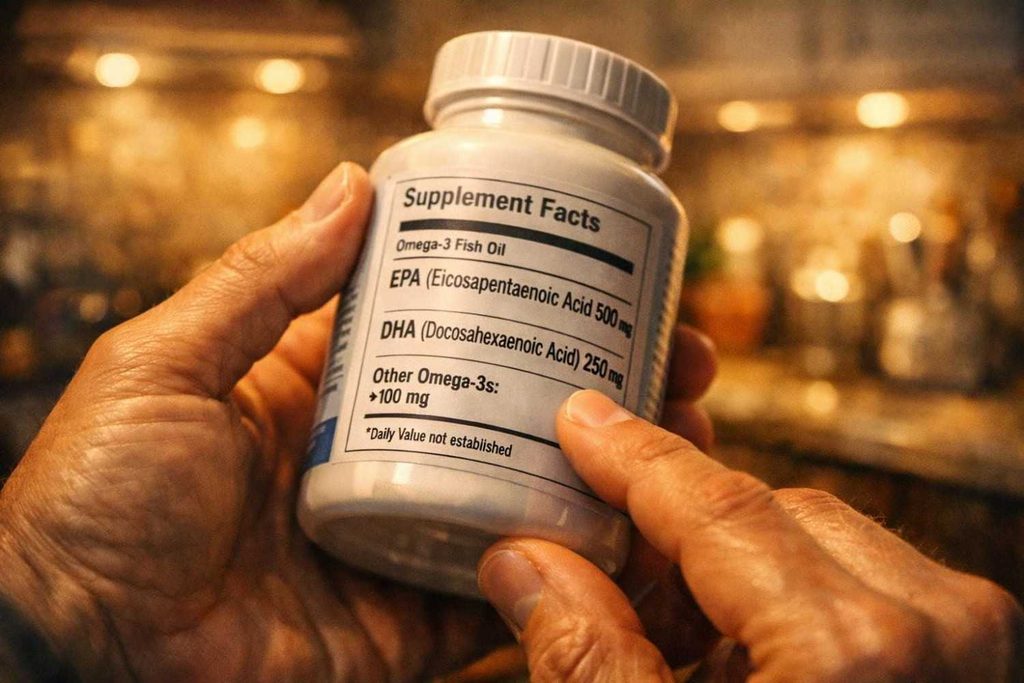
What actually matters when choosing a product is checking the real, combined EPA and DHA numbers on a label, not picking based on marketing copy about “women’s health.”
Vegan Sources of Omega 3 for Women
For women who don’t eat fish, dietary omega 3 usually comes down to two very different paths.
- Flaxseed, chia, and walnuts provide ALA, a plant-based omega 3 that the body converts to EPA and DHA, but that conversion is limited and variable between individuals
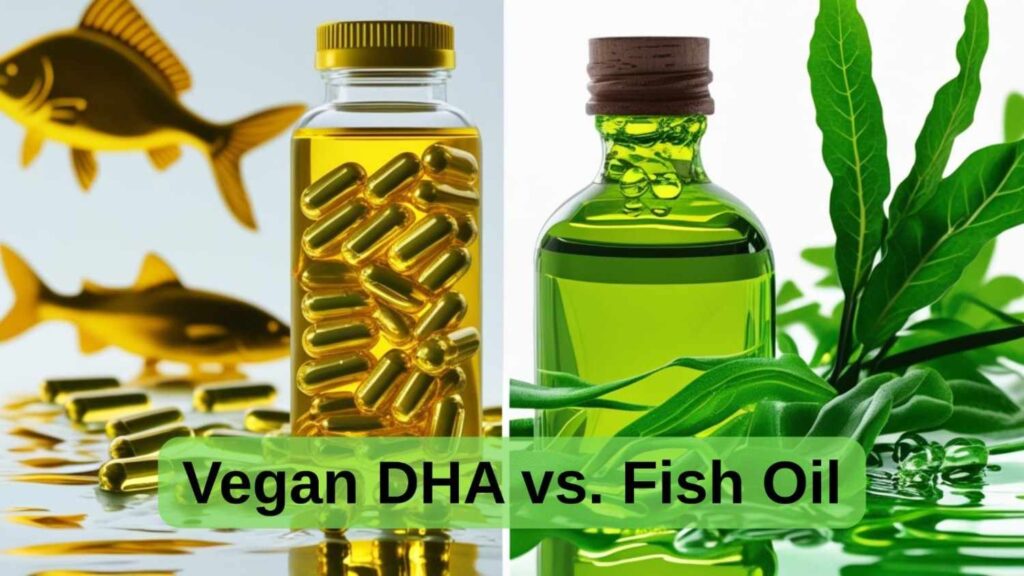
- Algal oil provides EPA and DHA directly, since algae is the original source these fatty acids come from before fish accumulate them through the food chain
- Relying on ALA alone often isn’t enough to reach a meaningful EPA and DHA level, which is where a direct algal supplement becomes relevant
For a deeper look at how algal oil is actually produced, this is worth reading — What Is Algal Oil? Pure Vegan Omega-3 DHA (Cleaner Than Fish Oil)
Algal Oil as a Vegan Source of EPA and DHA
Algae is where fish get their EPA and DHA from in the first place, so algal oil is a direct vegan and vegetarian source of the same fatty acids, not a substitute or a compromise version. That said, this doesn’t mean algal oil has been separately, clinically proven equivalent to fish oil specifically for period pain, the research on omega 3 and dysmenorrhea generally hasn’t distinguished between the two sources. What it does mean is that anyone avoiding fish has a legitimate way to get the same EPA and DHA the research is actually looking at.
For a broader comparison covering more products and their actual EPA and DHA content, this is worth checking — Best Vegan Omega 3 with EPA and DHA in India
When and How Consistently Should You Take It
There isn’t specific evidence tying a particular time of day to better period-pain outcomes, morning or evening both work in practice, and taking it with a meal is simply practical advice for absorption, not a period-pain-specific finding. What actually matters more is consistency across the month, not just around your period. The studies behind this research generally involved daily supplementation over several weeks or months, not dosing only during period week, so that’s the pattern worth following if you’re trying it.
How Much Omega 3 Do You Actually Need
There isn’t a separate, universally agreed dose specifically for period pain. Studies in this area have used a range of roughly 300 to 1800mg of combined omega 3 daily, typically over two to three months, which is a wide spread, not a single proven number, so this shouldn’t be read as a recommendation to reach the higher end of that range. More isn’t automatically better just because the goal is pain relief. General daily omega 3 guidance is the more reasonable starting point rather than assuming a higher dose targets period pain more effectively.
For the fuller breakdown on daily requirements, this is worth checking — How Much Omega 3 Do You Really Need Daily, and for dosage
specifically framed around DHA, this one goes deeper — Vegan DHA Dosage Per Day — How Much Do You Really Need?
Food vs Supplement — Which Actually Makes Sense
Getting EPA and DHA through food alone is genuinely difficult on a vegetarian or vegan diet in India, since the main dietary source globally is fish. A few spoons of flaxseed a day provides ALA, but not the direct EPA and DHA that most of the period-pain research is actually looking at.
- A supplement makes practical sense if diet alone isn’t providing meaningful EPA and DHA
- Food-based ALA sources are still worth including for overall diet quality, just don’t expect them to close the gap on their own
- A supplement isn’t meant to replace a generally balanced diet, it’s meant to fill a specific, otherwise hard-to-close gap
What to Check Before Buying
Most disappointment with any omega 3 supplement traces back to buying the wrong thing, not the supplement itself failing.
- Actual combined EPA and DHA amount per serving in mg, since research in this area studies the two together rather than treating one as more relevant
- Confirmed algal oil source, not a flaxseed or chia blend labelled loosely as omega 3
- Total oil weight versus actual EPA and DHA content, these are two different numbers, and the front label usually shows the bigger, less meaningful one
- Serving size required to reach the stated dose, some products need two capsules
- Third-party testing information where the brand provides it
- Capsule shell material, HPMC or vegetable cellulose for a genuinely vegetarian or vegan product
- Cost per day based on actual EPA and DHA delivered, not the price on the bottle alone
Two Vegan Omega 3 Products Worth Considering in India
These two were evaluated on EPA and DHA content as stated on their current label, confirmed algal source, and label transparency. Neither should be read as a treatment for period pain specifically, they’re simply transparent options worth knowing about if you’ve decided a supplement makes sense for you.
| Product | Rasayanam Plant-Based Omega-3 | Empire 1900 Omega-3 Vegan |
| EPA | 450mg | 250mg |
| DHA | 150mg | 250mg |
| Total EPA+DHA | 600mg | 500mg |
| Source | Marine algae | Algal oil |
| Capsules/bottle | 60 | 60 |
| Price | ₹1,099 | ₹899 |
| Cost/day | ~₹18 | ~₹15 |
Note: prices and current listings can shift over time, worth confirming on Amazon India before ordering.
Rasayanam Plant-Based Omega-3 provides 450mg EPA and 150mg DHA per serving, 600mg combined, from marine algae, 60 capsules per bottle at approximately ₹1,099. It’s one option with a transparent EPA and DHA breakdown, not a “best” or “most effective” pick over the other, since the research doesn’t establish one specific ratio as superior for period pain. Two capsules are needed daily to reach the stated dose.
Empire 1900 Omega-3 Vegan provides an even 250mg EPA and 250mg DHA split, 500mg combined, from algal oil, 60 capsules per bottle at approximately ₹899. Both numbers are clearly stated on the label, useful if you’d rather have a balanced profile without leaning toward one fatty acid over the other.
Tracking Whether It’s Actually Helping You
Since results vary a lot between individuals, keeping a simple note of pain intensity across two or three cycles before and after starting gives a clearer picture than relying on memory alone. A basic 1 to 10 pain scale, noted for the first couple of days of each period, is enough to spot a genuine pattern rather than a placebo effect or ordinary month-to-month variation, which period pain naturally has anyway.
If there’s no noticeable change after three full cycles of consistent daily use, that’s a reasonable point to stop expecting the supplement alone to be the answer and look at other factors, diet, stress, sleep, or an underlying condition that hasn’t been evaluated yet.
Safety, Side Effects, and When to See a Doctor
Most people tolerate omega 3 fine. If anything shows up, it’s usually mild, a bit of stomach upset or a faint aftertaste, and taking it with food generally settles that down.
- On blood thinning medication, or have a bleeding disorder? Talk to a doctor before starting
- Pain that’s severe, sudden, getting worse, or paired with heavy bleeding needs a proper medical check, not a supplement, since something like endometriosis can look a lot like ordinary period pain at first
- Already on hormonal birth control or any regular medication? Mention the new supplement to your doctor
- If period pain is genuinely disrupting your life month after month, that’s worth a real diagnosis, not a workaround
Frequently Asked Questions
Q. Can vegan omega 3 actually cure period pain?
Nothing here should be sold as a cure. Research points to a possible reduction in pain intensity for some women, which is a much smaller claim than a cure.
Q. Is EPA or DHA more relevant for period pain specifically?
Research in this area generally studies EPA and DHA together as combined omega 3 intake, rather than showing one is clearly better than the other for this specific use. Checking the total combined amount on a label matters more than picking a product based on its EPA-to-DHA ratio.
Q. How long before it might help with period pain?
Nothing fixed here. Studies tend to look across one or more menstrual cycles rather than expecting relief within a single one.
Q. Is algal oil as effective as fish oil for period pain?
Algae is a direct vegan source of the same EPA and DHA fish oil provides. The research on omega 3 and period pain generally hasn’t separately compared algal versus fish sources, so this is about getting the same fatty acids without needing fish, not a separately proven equivalence claim.
Q. Should I stop my regular painkiller and rely on omega 3 instead?
No, don’t do that. Omega 3 isn’t a replacement for existing pain management, and dropping a prescribed treatment without medical guidance isn’t a good idea.
Q. When should period pain be checked by a doctor rather than managed with supplements?
Severe pain, pain that’s getting worse, or pain paired with unusually heavy bleeding, all of that needs a doctor, not a supplement-only approach.
According to the NIH, omega 3 fatty acids are involved in regulating inflammatory processes in the body, which is part of why researchers have studied their potential role in menstrual pain — NIH Omega 3 Fatty Acids Fact Sheet.
A review of studies on PubMed examining omega 3 supplementation and dysmenorrhea reports a potential reduction in pain intensity, while noting the need for larger, more consistent trials — PubMed research on omega 3 and menstrual pain
Conclusion
Nobody should be promising you pain-free periods in exchange for a bottle of capsules. What the research actually points to is smaller and more honest than that, a possible reduction in pain intensity for some women, tied to omega 3’s role in inflammatory pathways. Researching women’s nutrition gaps has been a recurring part of building VeganVitaa, and period pain kept coming up as a question we didn’t have a properly researched answer for until now, this is the kind of nuance we’d rather get right than oversell.
If EPA content specifically interests you, Rasayanam’s 450mg EPA per serving is the higher share between the two — check Rasayanam Plant-Based Omega-3 on Amazon. If a balanced 250mg EPA and 250mg DHA split make more sense, Empire 1900 covers both evenly — check Empire 1900 Omega-3 Vegan on Amazon. Neither is a “best” pick over the other, since the research doesn’t establish one specific EPA-to-DHA ratio as superior for this use.
That’s really the honest picture on vegan omega 3 for period pain in India, worth trying, not worth expecting miracles from. Whichever you choose, give it time across more than one cycle before judging results, and if period pain is severe or disrupting your life month after month, that’s a conversation for your doctor, not just your supplement shelf. For a broader look at omega 3 for women’s health beyond period pain specifically, this is worth reading next — Best Vegan Omega 3 for Women in India, and if PCOS is also part of your picture, this covers that connection — Omega 3 for PCOS in India.
About the Author
Kamal Mishra is a health & nutrition writer and vegan wellness advocate. He is the founder of VeganVitaa – India’s trusted vegan DHA resource for plant-based families.
For more in-depth information, explore our related guides below to better understand vegan DHA, algal oil, and choosing the right supplement. Blog
Disclaimer: EPA, DHA and pricing figures are based on label information available at time of research. Always verify current Amazon India listing details before purchasing — formulations and prices change.
Disclaimer: This article is for educational purposes only. Always consult your paediatrician before starting new supplements.
Disclaimer: This post contains affiliate links. If you buy through these links, I may earn a small commission at no extra cost to you. It helps me keep sharing useful content with you.