This blog was updated on 3rd November 2026 to provide the latest information and researches on discovering why vegan omega-3 may not seem to work in India.
You started taking vegan omega-3 with a simple expectation – better focus, more energy, and overall health support.
But after a few weeks, nothing really feels different. The results you were hoping for just aren’t there.
That’s when the question comes up: why vegan omega 3 not working in India?
If you’ve thought this, you’re not alone. Many people face the same confusion.
And in most cases, the issue isn’t the supplement itself – it’s how it’s chosen, used, or understood in the context of Indian diets and lifestyle.
This blog breaks it down in a simple, honest way – based on real experiences and common mistakes people make – so you can finally understand what’s going wrong and how to fix it.
Why This Topic Matters to Me
When I started researching vegan DHA for VeganVitaa, one sentence kept coming up in conversations with Indian readers:
“I tried vegan omega-3 – it didn’t work for me.”
I heard it too many times to ignore.
So I started asking more questions. What were they taking? How much? When? From which brand?
And almost every time, the same pattern appeared. Not a problem with vegan nutrition. A problem with how it was being used.
Wrong form. Too low a dose. Taken on an empty stomach. Stopped too early.
That is what this blog is about – not defending vegan omega-3 blindly, but being honest about why it fails for so many people in India and what actually fixes it.
Mistake 1: Assuming All Plant Omega-3 Is the Same
In India, this is the most common misconception.
Most people think:
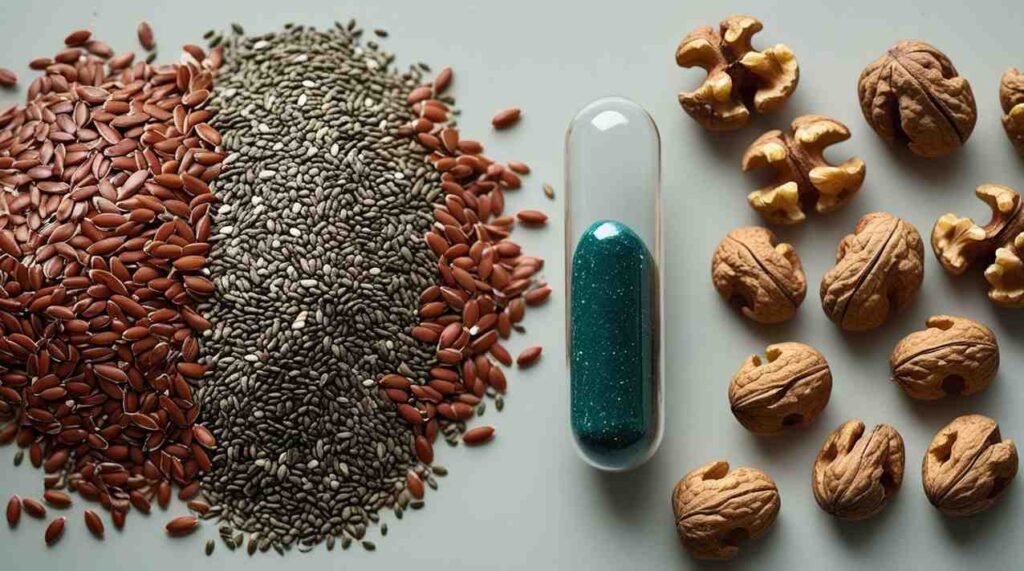
- Flaxseed oil = enough omega-3
- Chia seeds = brain nutrition sorted
- Walnuts = DHA replacement
Reality check:
These foods provide ALA, not DHA or EPA.
Your brain, eyes, and nervous system need DHA.
ALA must be converted into DHA, and the body does this very poorly. Most estimates put conversion of ALA to DHA at under 5%, and it varies from person to person.
This alone explains why plant-based omega-3 does not work for so many people.
To understand this better, explore our guide on whether flaxseed is enough for omega-3 and the difference between ALA and DHA.
Mistake 2: Not Checking the Algal Source
“Vegan DHA” written on the front of a pack does not tell you how much DHA you are actually getting.
Before you buy, check the label for:
- The DHA amount in mg per serving, not just “total omega-3”
- Algal oil as the source (often Schizochytrium algae)
- A short ingredient list
- Quality information from the brand, such as lab testing, if they publish it
If the label hides the DHA amount, the product may simply not give you enough DHA to notice a difference.
Mistake 3: Taking a Dose That’s Too Low
Many vegan omega-3 labels are confusing. Some show only “total omega-3” or ALA, and never say how much of it is DHA. Others give a small amount of DHA per capsule.
Many experts suggest around 200–300 mg of DHA a day from algal oil for vegans and vegetarians. If you are pregnant, breastfeeding, or have a health condition, ask your doctor for the right dose.
A quick check before you buy:
- Look for “DHA” in mg on the label, not just “omega-3”
- Check how many capsules make one serving
- Compare the DHA per serving with the 200–300 mg range
If the DHA amount is low or not stated, you may simply not be getting enough to notice a difference.
Omega-3 is nutrition, not caffeine. It works slowly, so the right dose matters.
Mistake 4: Consuming It at the Wrong Time
Omega-3 is a fat-soluble nutrient.
Yet many people in India:
- Take it on an empty stomach
- Take it with tea or fruit
- Take it randomly
When dietary fat is absent, absorption sharply declines.
Correct way:
- Take with lunch or dinner
- Include healthy fats (nuts, seeds, oil)
Improper timing silently fuels the belief of why plant-based omega-3 is not as effective as claimed.

Mistake 5: Comparing Vegan Omega-3 With Fish Oil
This comparison destroys trust.
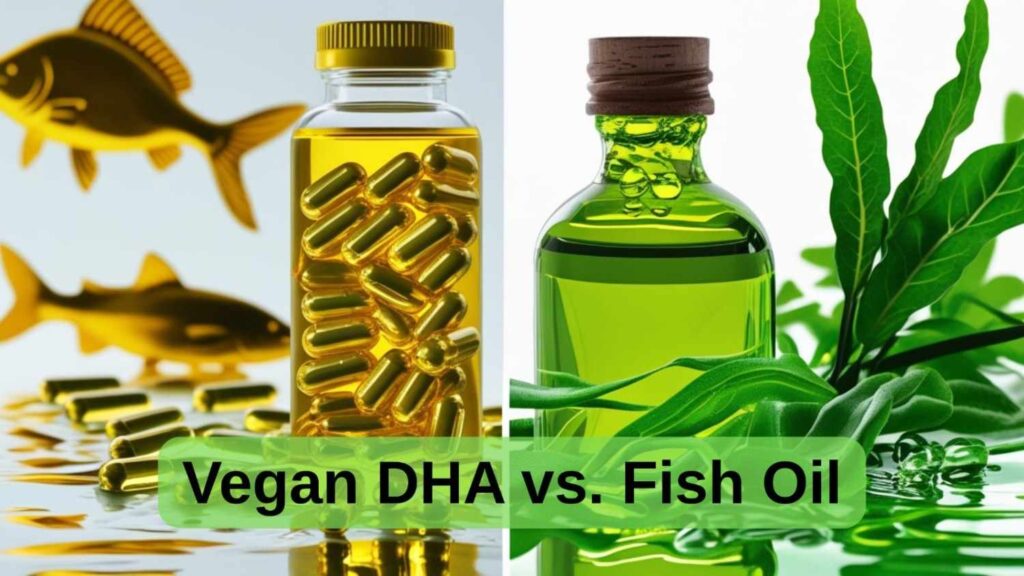
Fish oil:
- Provides EPA and DHA from fish
- Can cause fishy burps for some people
- Needs good storage to avoid oxidation
Vegan Algal DHA:
- Provides DHA directly from algae
- Contains no fish, so no fishy aftertaste
- Works gradually and needs consistent daily use
Comparing them directly makes people assume vegan omega-3 is not working, when in reality it’s just working differently.
You can also read our comparison on fish oil vs vegan omega-3 for absorption, safety, and performance.
Mistake 6: Ignoring Gut Health (Very Indian Problem)
Omega-3 is a fat, and fats are absorbed best when you take them with a meal that contains some fat.
Frequent acidity, bloating or other digestive problems may make absorption less reliable for some people, though this differs from person to person.
Simple steps that help:
- Take your supplement with lunch or dinner, not on an empty stomach
- Be consistent instead of taking it only on some days
- If you have ongoing digestive problems, speak to a doctor, since the cause is worth finding whatever supplement you take
Mistake 7: Expecting Results Too Fast
This mindset kills long-term nutrition benefits.
Omega-3:
- Is not a painkiller
- Is not instant energy
- Is not pre-workout
- It rebuilds brain cells and nerve membranes.
Blood DHA levels can rise within weeks, but any change in how you feel takes longer, varies from person to person, and is not guaranteed.
Stopping early leads to the false conclusion: why vegan omega 3 not working in India.
Consistency matters more than brand.
Signs Your Omega-3 May Not Be Working
There is no simple sign that shows your omega-3 is not working. DHA changes are gradual, and the symptoms people look for have many other causes.
Instead of watching symptoms, check these first:
- Source: Are you taking algal DHA, or only flaxseed or chia (ALA)?
- Dose: Does the label state about 200–300 mg of DHA?
- Consistency: Have you taken it daily with a meal for at least 8 weeks?
- Other causes: Low vitamin B12, poor sleep and stress can cause the same tiredness and focus problems.
If all of these are right and you still have concerns, ask your doctor about a blood test.
What Science Actually Says
Research on vegetarian diets shows that vegan diets contain almost no DHA, and that about 200 mg of preformed DHA a day can raise blood DHA levels significantly (see this review of DHA status in vegetarians). The NIH Office of Dietary Supplements also explains that the body converts only a small amount of ALA into DHA. How much higher DHA levels change everyday health in healthy adults is still being studied, so results from a supplement vary.
How to Make Vegan Omega-3 Work in India (Checklist)
If you keep asking why vegan omega 3 is not working in India, check these five things first:
- Choose direct DHA from algae. Flaxseed, chia and walnuts give ALA, which the body converts to DHA only in small amounts.
- Check the DHA amount. Look for about 200–300 mg of DHA per day on the label, and confirm the dose with your doctor if you are pregnant or have a health condition.
- Take it with a meal. Omega-3 is a fat, and it is absorbed better with food that contains some fat.
- Be consistent for at least 8 weeks. Take it daily. Results vary from person to person, so do not judge it after a few days.
- Rule out other causes. Low vitamin B12, poor sleep and stress can cause the same tiredness and focus problems, so check these too.
Best Vegan Omega-3 Options That Actually Work
When it comes to omega-3, quality makes a bigger difference than most people think. Two supplements may look similar on the outside, but the results they give can be completely different.
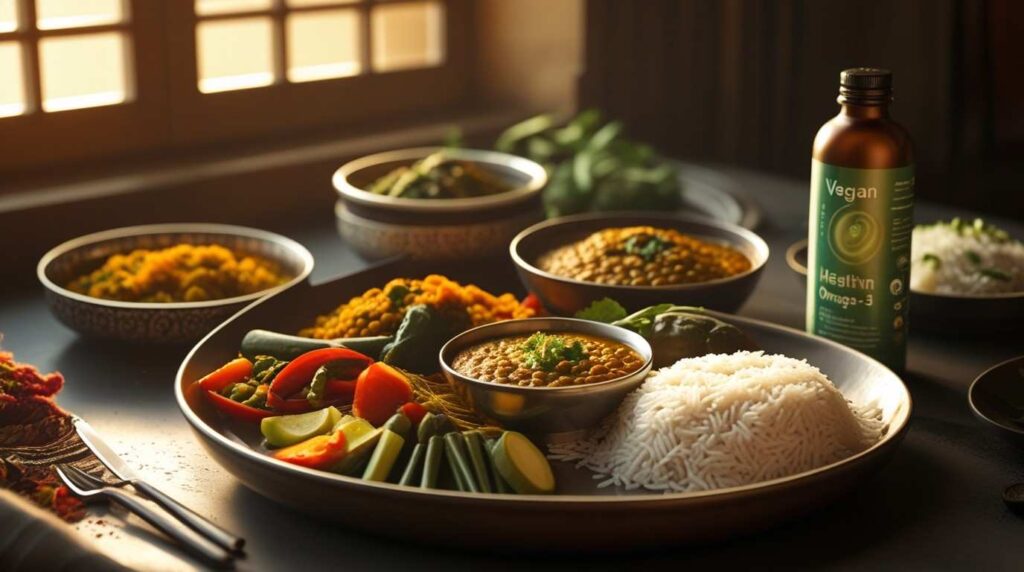
For vegans, the most reliable option is algal oil – because it provides DHA directly, without depending on your body’s limited conversion process. This is important, especially if your goal is better focus, recovery, or overall health support.
Ideally, look for an algal oil supplement that clearly states about 200–300 mg of DHA per capsule or serving, with a simple ingredient list. Choose something you can take consistently every day.
It’s also important to choose something you can take consistently – whether that’s capsules or gummies. The best supplement is the one you’ll actually stick with daily.
At the end of the day, results don’t come from trying multiple products randomly. They come from choosing one reliable option and using it the right way over time.
Recommended Vegan Omega-3 Options (India)
Instead of guessing, pick a supplement that states its DHA amount in mg on the label. These three do, and each uses algal oil as the source.
Disclaimer: This post contains affiliate links. If you buy through these links, I may earn a small commission at no extra cost to you. It helps me keep sharing useful content with you.
1. Tata 1mg Vegetarian Omega 3
The label lists 400 mg of DHA per serving, and a serving is 2 capsules, so each capsule has about 200 mg of DHA. It is an Indian brand with a clear DHA amount on the label. Note that its ingredient list includes carrageenan as a binder, so check this if you want to avoid it.
Check Tata 1mg Vegetarian Omega 3 on Amazon
2. Deva Vegan Omega-3 DHA
Each softgel provides 200 mg of DHA from algal oil. Deva is an imported brand, registered with the Vegan Society. Make sure the Amazon listing you open says “DHA 200 mg,” because Deva also sells DHA-EPA versions with different amounts.
Check Deva Vegan Omega-3 DHA on Amazon
3. Miduty Vegan Omega-3
Each capsule contains 500 mg of algal oil standardized to 40% DHA, which gives 200 mg of DHA per capsule. It is made in India and states the DHA percentage clearly.
Check Miduty Vegan Omega-3 on Amazon
How to use any of them: take it with a meal, follow the serving on the label, and give it at least 8 weeks. If you are pregnant, breastfeeding or have a health condition, check the right dose with your doctor first.
FAQs
Q. Why vegan omega 3 Not working in India for many people?
Vegan omega-3 usually doesn’t work because people take ALA instead of direct DHA, use very low doses, or consume it incorrectly. Other important factors include Indian digestion, stressful lifestyles, and poor absorption.
Q. Is plant-based omega-3 adequate without supplements?
Although they are good for general health, seeds like flax and chia don’t provide enough DHA for the health of the brain, eyes, or nerves. Direct algal DHA is usually required, especially for adults, children, and pregnant women.
Q. How long does vegan omega-3 take to show results?
Vegan omega-3 works slowly and at a cellular level. Most people notice benefits after 4–6 weeks, while full effects may take up to 8 weeks with consistent use
Q. Is vegan omega-3 safer than fish oil in India?
Algal omega-3 contains no fish, so it avoids the mercury concern and fishy aftertaste some people have with fish oil. Both can work, so the right choice depends on your diet and preference. Always check the DHA and EPA amounts on the label.
Q. In India, how should one take vegan omega-3?
Eat a healthy, high-fat meal with vegan omega-3. Avoid eating on an empty stomach and be consistent every day for the best absorption and results.
For proper dosage, check our guide on how much omega-3 you really need daily based on your lifestyle.
Q. Can poor gut health stop vegan omega-3 from working?
Honestly, yes and most people never consider this.
Omega-3 is a fat. Your body needs proper digestion to absorb it. If you have frequent acidity, bloating, or weak digestion which is very common in Indian adults- a large part of that supplement passes through without being used. Taking it with a proper meal, not just a glass of water, makes a bigger difference than most people realise.
Q. Does Indian cooking oil affect how omega-3 works in the body?
Possibly. Sunflower and soybean oil are high in omega-6 fats, and a very high omega-6 intake may reduce how efficiently the body converts plant ALA. This matters mostly for ALA from flax, chia and walnuts, not for direct algal DHA. Rotating your cooking oils instead of relying on just one is a simple change.
Final Words from Experience
If you have been wondering why vegan omega 3 is not working in India despite doing everything right, the cause is often something small and fixable.
Before you give up, check the basics once. Are you taking direct DHA from algal oil, and not just ALA from flaxseed? Does the label state about 200–300 mg of DHA per day? Are you taking it with a proper meal, every day? If any of these are off, that may be your answer.
Fix them and give it at least eight weeks. Results vary from person to person, so be consistent before you decide.
If you still feel no difference, or your symptoms are strong, ask your doctor about a blood test. Low vitamin B12, poor sleep and stress can cause the same problems, so it is worth ruling them out.
About the Author
Kamal Mishra is a health & nutrition writer and vegan wellness advocate. He is the founder of VeganVitaa – India’s trusted vegan DHA resource for plant-based families.
Further Reading on VeganVitaa
For more in-depth information, explore our related guides below to better understand vegan DHA, algal oil, and choosing the right supplement. Blog
- Vegan Omega-3 Guide for Vegetarians
- Low Fat Vegan Diet Problems in India
- Do Vegans Need DHA? Signs, risks, and best plant-based sources.
- Top 3 Best Vegan DHA Supplements in India (2026)
Disclaimer: This article is for educational purposes only and is not medical advice. Please consult your doctor or a registered dietitian before starting any supplement, especially if you are pregnant, have a health condition, or are giving it to a child.

Pingback: Vegan DHA for Brain Fog & Mental Fatigue
Pingback: Omega 3 for PCOS in India — Can Vegan DHA Help? (2026)
Pingback: Omega 3 for Eye Health in India- Can Vegan DHA Help? (2026)
Pingback: Omega 3 for Diabetes in India - Can Vegan DHA Help? (2026)
Pingback: Omega 3 for Thyroid Health in India — Can Vegan DHA Help?
Pingback: How to Choose Vegan DHA Capsules in India — Quick Guide
Pingback: Vegan DHA 90 Days Results in India — What Actually Happens
Pingback: Best Vegan Omega 3 with EPA and DHA in India — Top 5 Picks