
This blog was updated on 24th July 2026 to provide the latest information and researches on Why most Indian diets lack DHA.
Even today, many Indians proudly say, “Hum healthy khate hain.” Homecooked food. Dal, roti, sabzi. Less junk. Less sugar. No alcohol. Sometimes even no meat. On the surface, this looks perfect.
But there is a silent nutrition gap hiding inside these healthy plates.
That gap is DHA.
I am not sharing this only from books or online articles.
Over the past months, while deeply researching DHA deficiency in India, studying scientific papers, observing everyday Indian food habits, and speaking with people who genuinely believe they eat “healthy,” one pattern kept repeating.
Most diets looked balanced on the surface – home-cooked meals, vegetables, grains, and less junk – yet DHA was almost completely missing.
This article comes from that observation and research, not from theory alone.
This is the uncomfortable truth: Indian Diets Lack DHA, even when people eat simple, traditional, and balanced meals. This is not because Indian food is bad. It is because modern nutritional needs have changed, and awareness has not caught up.
The purpose of this article is not to sell a product, but to build clarity.
Because unless people first understand why DHA is missing from everyday Indian diets, any discussion about solutions becomes meaningless.
Awareness has to come before recommendations.
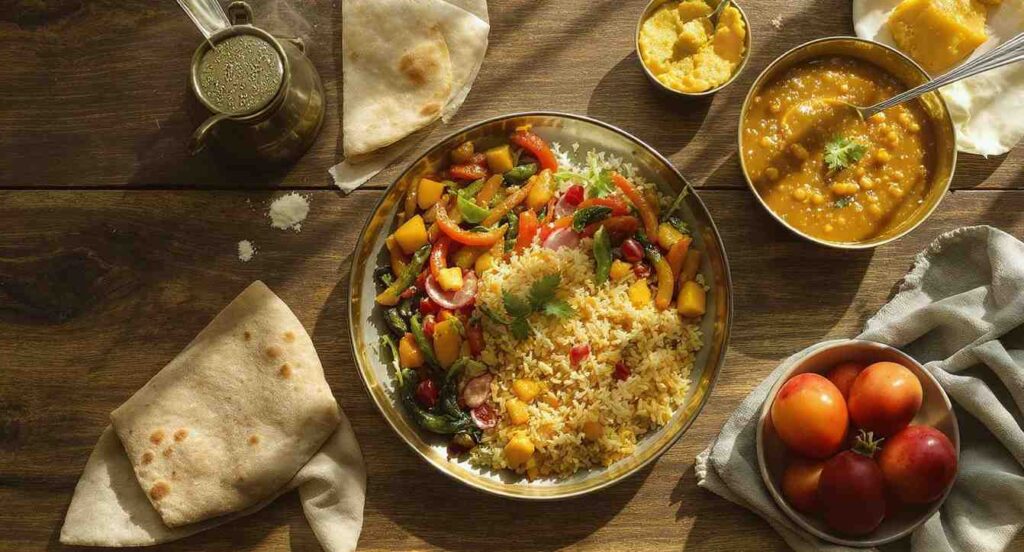
Many people in India follow a diet that appears healthy, yet it may still lack one crucial nutrient – DHA, an essential omega-3 fatty acid that supports brain, eye, and nervous system health.
For a complete understanding, explore our detailed guide on DHA Deficiency in India and how it supports overall health in a plant-based lifestyle.
What Exactly Is DHA?
DHA (Docosahexaenoic Acid) is a long chain omega3 fatty acid. It is not optional nutrition. It is structural nutrition.
Your brain is made largely of fat. Nearly one-third of that fat is DHA. Your eyes, especially the retina, are rich in DHA. During pregnancy, DHA literally builds the baby’s brain.
Unlike protein or calcium, DHA cannot be stored easily from food for long periods. It must come regularly from diet or supplements. And here lies the core problem.
This is why DHA deficiency often does not show up as a disease, but as a feeling.
Many people describe it as constant mental tiredness, difficulty focusing, or feeling mentally overloaded even without extreme stress.
In many cases, this is not a motivation problem or a willpower issue – it is a nutritional gap.
According to nutrition information shared by National Institutes of Health, DHA is an important omega-3 fatty acid that supports brain development, eye health, and normal nervous system function.
Why Indian Diets Lack DHA – The Real Reasons
Let us be honest and practical. The issue is not laziness. It is not ignorance alone. It is a mix of culture, biology, and modern lifestyle.
1. Vegetarian Dominance and Low Fish Intake
India has one of the world’s largest vegetarian populations. Even among nonvegetarians, fish consumption is limited to certain regions.
Fish is the richest natural source of DHA. When fish is missing, direct DHA disappears from the diet.
Yes, some coastal communities eat fish regularly. But the majority of Indians eat fish rarely or not at all. This alone explains why Most traditional Indian diets contain limited sources of DHA. at a population level.
For a complete understanding of plant-based omega-3, you can read our detailed Vegan Omega-3 Guide.
2. The Flaxseed Myth (ALA Is Not DHA)
Many health aware Indians say:
“We eat flaxseed, walnuts, and chia seeds. Omega3 toh mil raha hai.”
This is partially true and dangerously incomplete.
Plant foods provide ALA (Alpha Linolenic Acid). The body must convert ALA into DHA. This conversion is extremely weak.
ALA vs DHA in Indian Diets
| Omega-3 Type | Common Sources in India | Key Limitation |
| ALA | Flaxseed, walnuts, mustard oil | Converts poorly into DHA |
| DHA | Algal oil | Directly usable by the body |
Because of this difference, many nutrition experts suggest that vegetarians may benefit from direct DHA sources such as algae-based omega-3.
To understand how plant sources compare with direct DHA, read our guide on algal oil DHA vs flaxseed omega-3.
According to studies referenced by the National Institutes of Health (NIH), the body converts very little ALA into DHA in adults, particularly when omega-6 intake is high, which is common in Indian diets.
That means eating flaxseed daily still does not guarantee adequate DHA for the brain, eyes, or pregnancy needs.
ALA is helpful. But it is not enough.
3. Excess Omega6 Oils in Indian Cooking
Daily use of sunflower or soybean oil, often at high cooking temperatures, has become common in many Indian households – without most people realizing that this pattern can interfere with DHA metabolism.
The more omega6 you consume, the harder it becomes for your body to convert ALA into DHA.
So even a “ghar ka khana” diet can silently block DHA formation.
4. Pregnancy Nutrition Focuses on Calories, Not DHA
Most Indian pregnancy diets focus on:
- Weight gain
- Iron
- Calcium
- Protein
DHA is rarely discussed.
Iron and calcium are discussed in almost every pregnancy visit, but DHA is often mentioned only after problems appear.
This gap is where the real risk lies.
Yet pregnancy is the highest DHA demand phase of life. The baby depends completely on the mother’s DHA stores.
When the mother is deficient, the baby’s brain development may be compromised.
This is one of the strongest reasons direct DHA sources are rarely present in everyday Indian meals where it matters the most – mothers and children.
5. Traditional Wisdom Didn’t Need DHA Supplements
Our grandparents lived active lives. Food was unrefined. Omega6 intake was lower. Stress was lower.
Today, life is different.
- Screen exposure is high
- Mental workload is intense
- Pregnancy age is higher
- Children’s brains are under constant stimulation
Modern brains need more DHA than traditional diets provide.
How DHA Deficiency Affects Mental Health in Indians
Many studies show that the average Indian diet may not provide enough DHA for optimal health, even when people eat home-cooked meals. DHA is a key nutrient for the brain. It helps brain cells send signals and supports focus, memory, and emotional balance. When DHA levels are low, brain communication slows down. This can make it harder to think clearly, stay calm, and manage stress.
Mental tiredness is common with low DHA. People feel irritated easily. Focus becomes weak. The mind feels overloaded.
Most people ignore these signs.
They feel normal.
It is not only stress or work. Nutrition also matters.
Low DHA slowly reduces the brain’s strength.
Daily mental tasks start to feel harder.
Pregnant women, children, and older adults are especially affected. Low DHA during pregnancy can impact a baby’s brain development. In children, it can affect learning and attention. For adults, it can reduce mental clarity and emotional stability.
Because DHA intake in typical Indian meals is often quite low, many people miss this important nutrient unknowingly. Adding DHA through diet or supplements can support the brain quietly and effectively. Understanding this gap is the first step to better focus, mood, and long-term brain health.
Research summaries from Harvard T.H. Chan School of Public Health highlight that adequate omega-3 intake is linked to better brain health and emotional well-being.
Signs That DHA May Be Low
DHA deficiency does not scream. It whispers.
Common signs include:
- Poor focus and mental fatigue
- Mood swings or low motivation
- Dry eyes or eye strain
- Learning difficulties in children
- Memory decline with age
- Poor pregnancy outcomes
These signs are not a medical diagnosis, but they can act as nutritional red flags that should not be ignored.
How Much DHA Do We Actually Need?
Global health bodies generally recommend:
- 250-500 mg EPA + DHA per day for adults
- Additional 100-200 mg DHA per day during pregnancy and breastfeeding
Most Indian diets provide less than 50 mg DHA per day.
The gap is massive.
You can also explore our detailed article on how much omega-3 you really need daily for different age groups and lifestyles.
Food Sources of DHA (Reality Check)
Let us be honest about sources.
Natural DHA Sources
- Fatty fish (sardine, salmon, mackerel)
- Fish liver
- Certain shellfish
Vegetarian DHA Source
- Algal oil (microalgae)
Important truth:
Fish get DHA by eating algae. Algal oil gives DHA directly.
That is why algal DHA is ideal for vegetarians and vegans.
DHA Absorption Issues — Why Diet Alone Often Fails
Here’s something most people miss even when DHA is present in food, the body doesn’t always absorb it well.
DHA is a fat-soluble nutrient. It needs healthy digestion to actually reach your brain and eyes. And for many Indians, digestion is the weak link.
Bloating, acidity, and irregular meal timings are extremely common in Indian households. Heavy carbohydrate meals with very little healthy fat – a typical dal-roti lunch – don’t create the right conditions for fat-soluble nutrients to absorb properly. Low bile flow, which is more common than people realize, reduces how much DHA actually enters the bloodstream even when you take a supplement.
High refined oil and sugar intake makes this worse. Both increase inflammation in the gut lining, which directly interferes with omega-3 metabolism.
I noticed this myself. I was taking an algal DHA supplement for weeks before I realized I was swallowing it on an empty stomach in the morning – with chai, no food. Almost no absorption.
The fix is simple: take DHA with a meal that has some healthy fat. A small handful of nuts, a spoon of ghee in the dal, or avocado if you eat it. This one change improves absorption significantly.
Nutrition is not only about what you eat. It is about what your body actually absorbs.

Why Supplements Become Necessary
In an ideal world, food alone would be enough.
In the real Indian diet pattern, it is not
Using supplements does not always mean lifelong dependency. For many people, they are simply a tool to correct a nutritional deficiency.
A good algal DHA supplement provides:
- Direct DHA
- Mercury free safety
- Vegetarian compatibility
This is why many doctors now recommend DHA supplements during pregnancy and adulthood.
For readers looking for reliable options, see our comparison of the top vegan DHA supplements available in India.
Some people prefer an easy option, so you can explore a trusted vegan DHA supplement available here that clearly lists its algal oil source and DHA content. You can see commonly available vegan DHA options here :
DHA for Children — A Silent Foundation
A child’s brain grows faster in the first 10 years of life than at any other time. And DHA is one of the primary building blocks of that growth.
When DHA is consistently low during these years, the effects are subtle but real. Attention wavers more than it should. Learning feels harder than the child’s effort deserves. Emotional regulation – staying calm under pressure, managing frustration becomes more difficult.
Indian children today face enormous academic pressure. Long school hours, tuition classes, competitive exams from an early age. Their brains are being asked to perform at a high level, often without the nutritional foundation to match.
Most Indian vegetarian children get zero direct DHA from their diet. Parents are careful about nutrition – they add dry fruits, give milk, ensure vegetables. But DHA simply doesn’t come up. Nobody tells them.
A child who genuinely tries but can’t focus or retain information isn’t always dealing with a learning problem. Sometimes it’s a nutritional gap – one that’s easy to close with a simple algal oil supplement designed for children.
DHA and Aging Indians
After 50, the brain’s ability to retain and use DHA naturally declines. Memory becomes less sharp. Thinking slows down. The risk of cognitive decline increases quietly over years.
For Indian vegetarians who have never had a direct DHA source in their diet, this decline starts from an already low baseline – making the gap even more significant with age.
I am 54. This is personal for me, not just research.
One clean algal oil supplement daily is the simplest thing an aging Indian vegetarian can do for long-term brain health.
Practical Steps for Indian Families
No extreme changes needed.
- If you eat fish, include small fatty fish twice a week
- Reduce excessive omega6 oils
- Add flaxseed and walnuts for overall balance
- Use algal DHA supplements if vegetarian
- Ensure pregnant women get extra DHA
Consistency matters more than quantity.
If you want to choose a high-quality algae source, check our guide on the best algal oil supplements available in India.
If you are considering adding DHA to your routine, you can also check a popular algal oil omega-3 capsule option used by many plant-based users.
Linking Back to the Bigger Picture
This article explains how Indian Diets Lack DHA.
To understand why this is becoming a national health concern, read the detailed pillar article on Do Vegans Need DHA? Signs, Risks, and Best Vegan Sources.
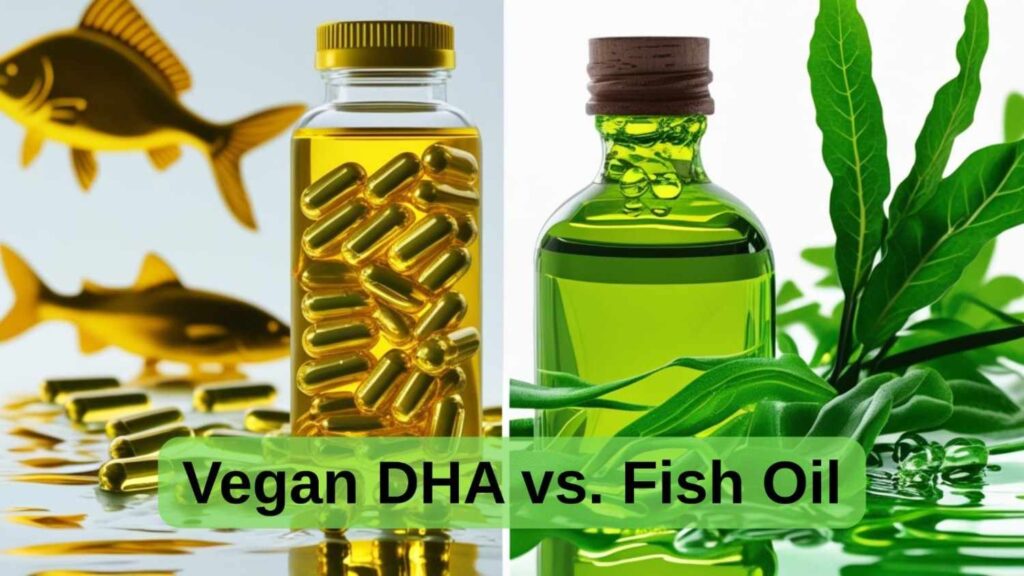
For expecting mothers who are comparing options, read our guide on vegan DHA vs fish oil during pregnancy to understand safety and benefits clearly.
You can also learn about early warning signals in our guide on 5 subtle signs you’re not getting enough omega-3 even if your diet seems healthy.
FAQs
1. Why do many healthy Indians still lack DHA?
Because most Indian meals do not contain direct DHA sources. Fish intake is low. Vegetarian diets dominate. This is one main reason Indian Diets Lack DHA, even when food looks balanced.
2. Is plant-based omega-3 enough for brain health?
Plant foods give ALA, not DHA. The body converts very little ALA into DHA. So, plant omega-3 alone may not support brain needs fully.
3. Do adults really need DHA every day?
Yes. DHA supports focus, memory, and emotional balance. Brain cells need regular DHA, not occasional intake.
4. Is DHA important only during pregnancy?
No. DHA is important for children, working adults, and older people. Pregnancy increases the need, but DHA matters at every age.
5. Can cooking oils reduce omega-3 benefits?
Yes. High heat, repeated frying, and refined oils can damage omega-3 fats, reducing their effectiveness in the body.
6. What is the best vegan source of DHA?
Algal oil is the most reliable vegan source of DHA, as it provides direct DHA without the need for conversion.
Conclusion
Indian food is genuinely healthy. Dal, sabzi, roti, curd – this is not junk food. This is clean, traditional eating that most of the world would envy.
But why Indian diets lack DHA has nothing to do with the quality of Indian food. It has to do with one specific nutrient that was never part of our food culture and that modern brains need more than ever.
Children studying under pressure. Working adults managing mental load all day. Pregnant women building a baby’s brain. People in their 50s and 60s trying to stay sharp. All of them need DHA consistently and most Indian diets simply don’t provide it.
This is not a reason for guilt. It is a reason for awareness.
As someone who has been vegetarian for 15 years and spent years researching this gap, I can say this simply: one algal oil supplement, 300mg daily, taken with a meal. That is all it takes to close a gap that most Indian families don’t even know exists.
Your food traditions don’t need to change. Just add what’s missing.
About the Author
Kamal Mishra is a health & nutrition writer and vegan wellness advocate. He is the founder of VeganVitaa – India’s trusted vegan DHA resource for plant-based families.
For more in-depth information, explore our related guides below to better understand vegan DHA, algal oil, and choosing the right supplement. Blog
Disclaimer: This article is for educational purposes only. Always consult your paediatrician before starting new supplements.
Disclaimer: This post contains affiliate links. If you buy through these links, I may earn a small commission at no extra cost to you. It helps me keep sharing useful content with you.

Pingback: Vegan Omega 3 Guide: DHA, EPA, ALA & Sources
Pingback: DHA Deficiency in India: A Silent Health Gap in Indian Diets
Pingback: Vegan DHA for Children Brain Development | Parent’s Guide
Pingback: Best Vegan Omega 3 for Hair Loss in India (2026 Buyer’s Guide)
Pingback: Best Vegan Omega 3 Sources for a Plant-Based Diet (2026)
Pingback: Omega 3 for Joint Pain in India: Does Vegan DHA Help? (2026)
Pingback: Omega 3 for Heart Health in India — What Vegetarians Miss
Pingback: DHA for Brain Health in India — Why Vegetarians Miss It